
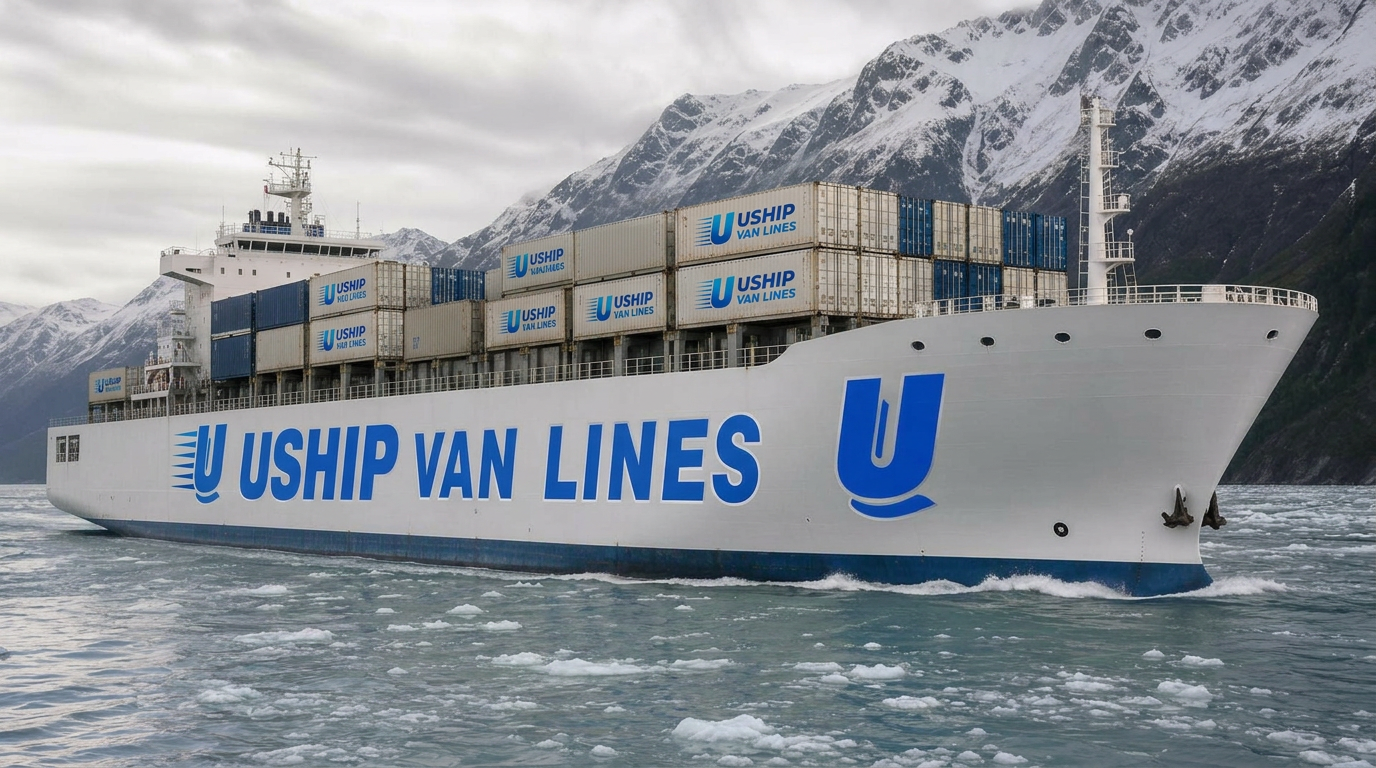
Moving from West Virginia to Alaska
Moving from the rolling Appalachian hills of West Virginia to America's Last Frontier requires careful planning and specialized logistics expertise. Unlike a standard cross-country move, your Alaska relocation involves coordinated overland transport to the Pacific Northwest, ocean barge shipping, and last-mile delivery to your new home—whether you're settling in Anchorage, Fairbanks, or a remote community.
Best Alaska & Hawaii Movers, powered by UShip Van Lines, handles every phase of your West Virginia-to-Alaska move with precision. From Charleston, Huntington, Morgantown, or anywhere in the Mountain State, we coordinate seamless door-to-door service using Alaska Marine Lines barges and trusted local partners. Request your free, no-obligation quote today to start planning your northern adventure.
Route overview
Understanding the West Virginia to Alaska Moving Route
Your household goods travel approximately 3,800 miles from West Virginia to Alaska through a multi-modal journey. Items are first loaded at your West Virginia residence and transported overland across the continental United States to the Port of Tacoma, Washington—the primary consolidation hub for Alaska-bound freight. This cross-country leg typically takes 4–6 days depending on your exact origin city.
From Tacoma, your belongings are loaded onto Alaska Marine Lines barges that sail northward through the Inside Passage to the Port of Anchorage. The ocean voyage takes 5–7 days under normal conditions. Once your shipment clears the port, our Alaska-based partners provide final delivery to Anchorage neighborhoods, the Mat-Su Valley, Fairbanks, Kenai Peninsula communities, or arrange air/bush plane service for off-road-system locations.
This route operates year-round with weekly barge departures, though scheduling flexibility improves dramatically during the peak May–September window. Winter moves are absolutely possible but require extra lead time and flexible delivery windows due to weather-related delays in both the continental U.S. and Alaska.
How the moving process works
How Your West Virginia to Alaska Move Works: Step by Step
-
Free Quote & Planning Consultation – Contact Best Alaska & Hawaii Movers for a detailed estimate based on your inventory, origin/destination ZIP codes, and preferred timeline. We'll explain barge schedules, packing options, and vehicle shipping if needed.
-
Pre-Move Survey & Inventory – For larger households, we conduct a virtual or in-home survey to create an accurate inventory. This ensures proper container sizing and eliminates surprise charges. We'll identify items restricted from Alaska shipment (certain plants, hazardous materials).
-
Overland Transport to Tacoma – Professional movers load your belongings in West Virginia and transport them cross-country to our Tacoma consolidation facility. Your shipment may share container space with other Alaska-bound loads to optimize costs.
-
Barge Loading & Ocean Transit – Your goods are containerized and loaded onto the next available Alaska Marine Lines barge. You'll receive tracking information and estimated arrival dates for the Port of Anchorage. Ocean transit takes 5–7 days in calm conditions.
-
Port Clearance & Customs – Though Alaska is a U.S. state, shipments pass through maritime protocols. Our team handles all port paperwork, ensuring smooth clearance and minimizing storage fees at the port facility.
-
Last-Mile Alaska Delivery – Once cleared, local Alaska movers transport your goods to your new address. Road-accessible locations receive direct truck delivery; off-road communities may require coordination with bush plane or seasonal barge services.
-
Unpacking & Final Walkthrough – Full-service customers receive unpacking assistance and removal of packing materials. Inspect your inventory using the detailed list provided at origin, and report any concerns within the claim window.
Estimated moving costs
What Does a West Virginia to Alaska Move Cost?
A typical 2–3 bedroom household moving from West Virginia to Alaska generally ranges from $7,800 to $14,500 for full-service door-to-door transport. Studio or 1-bedroom moves start around $4,200–$6,800, while larger 4-bedroom homes can exceed $18,000 depending on volume and services.
Key Cost Drivers:
- Shipment Volume – Charged by cubic feet or container size. A 3-bedroom home averages 800–1,200 cubic feet. Downsizing before the move significantly reduces costs.
- Service Level – Full-service packing, loading, and unpacking costs more than self-pack container options. Professional packing protects fragile items during the complex journey.
- Barge Schedules – Peak summer months (May–August) see higher demand and slightly elevated rates. Winter discounts may be available for flexible customers.
- Origin/Destination Accessibility – Remote West Virginia mountain locations or Alaska bush communities add transportation surcharges due to limited access.
- Vehicle Shipping – Adding a car or truck costs $2,200–$3,800 via the same barge service. Many Alaska newcomers ship one vehicle and drive another through Canada.
- Insurance Coverage – Basic carrier liability covers $0.60/lb. Full-value protection costs 1–2% of declared value but provides comprehensive coverage for this long journey.
Prices fluctuate based on fuel surcharges, current barge capacity, and seasonal demand. Request a current quote for binding estimates tailored to your specific inventory and timeline.
Estimated transit times
Realistic Timeline: How Long Does West Virginia to Alaska Moving Take?
Plan for 18–28 days door-to-door under normal circumstances, with the range depending on your specific West Virginia origin, barge sailing schedules, and final Alaska destination.
Transit Breakdown:
- Overland West Virginia to Tacoma: 4–6 days for cross-country trucking, including time for consolidation at the Tacoma facility
- Tacoma Port Staging: 1–5 days waiting for the next scheduled barge departure (weekly sailings during peak season)
- Ocean Voyage: 5–7 days aboard Alaska Marine Lines barges traveling the Inside Passage to Anchorage
- Port Clearance: 1–3 days for unloading, customs processing, and preparation for final delivery
- Last-Mile Alaska Delivery: 1–3 days for road-accessible locations; 5–14 days for remote bush communities requiring air freight coordination
Winter moves (October–April) may extend timelines by 3–7 days due to weather delays across the Rockies and reduced barge frequency. Summer moves (May–September) offer the most predictable schedules with weekly departures and optimal weather windows.
For time-sensitive moves, discuss express consolidation options and priority barge booking during your quote consultation. Most customers should avoid scheduling tight closing dates or lease starts; build in a 5–7 day buffer beyond the estimated delivery window.
Regional logistics
Alaska-Specific Moving Logistics from West Virginia
Port & Barge Operations Your shipment consolidates at the Port of Tacoma, the largest Alaska freight gateway, before loading onto Alaska Marine Lines vessels. These cargo barges are specifically designed for Alaska's Inside Passage, carrying household goods, vehicles, and commercial freight. Containerized shipments provide weather protection and security. You'll receive a bill of lading with container numbers and sailing schedules.
Vehicle Shipping Coordination Most Alaska newcomers ship at least one vehicle alongside household goods. Cars, trucks, and SUVs are driven onto roll-on/roll-off barges or placed in containers. Vehicles must be clean (Alaska agricultural inspection), contain no personal items, and have less than 1/4 tank of fuel. Shipping costs $2,200–$3,800 depending on vehicle size. Alternatively, many families drive the Alaska Highway (ALCAN) through Canada—a 4–6 day scenic journey requiring passport, vehicle documentation, and winter preparation if traveling October–April.
Restricted & Prohibited Items Alaska has strict regulations on incoming plants, soil, and certain agricultural products due to invasive species concerns. Firearms and ammunition are legal but require special declaration and packing procedures. Hazardous materials (propane, paint, aerosols) cannot ship via barge. Plan to transport important documents, medications, and valuables in your personal vehicle or checked luggage.
Last-Mile Delivery Challenges Road-accessible Alaska communities (Anchorage, Fairbanks, Wasilla, Palmer, Soldotna, Homer, Kenai) receive standard truck delivery. Off-road-system villages require coordination with bush plane services or seasonal barge routes—adding $0.50–$1.50 per pound to final delivery costs. Some remote areas receive shipments only during summer months when rivers are navigable or winter ice roads are established.
Storage Options If your Alaska housing isn't ready upon shipment arrival, we can arrange short-term warehouse storage in Anchorage. Storage costs $150–$350/month depending on volume. This is particularly useful for military families awaiting base housing or those purchasing homes with delayed closings.
Insurance & Documentation Maintain copies of your inventory list, bill of lading, and insurance certificates throughout the move. Photograph high-value items before packing. Full-value insurance is strongly recommended for this complex, multi-modal journey. Keep essential documents (birth certificates, property deeds, medical records) in your personal possession rather than the moving shipment.
Seasonal considerations
Best Time to Move from West Virginia to Alaska
Summer (May–September): Peak Moving Season The warmest, driest months offer optimal conditions for both overland and ocean transport. Weekly barge departures provide scheduling flexibility, and Alaska road conditions are excellent for final delivery. Expect premium pricing due to high demand from families moving before the school year. Book 6–10 weeks in advance to secure preferred dates.
Fall (October–November): Shoulder Season Still-reliable weather with decreasing demand creates opportunities for modest discounts. Barge schedules remain frequent through October. Early snowfall in mountain passes (West Virginia, Rockies, Alaska) becomes a consideration. Good value for flexible movers who can accommodate 2–3 day weather delays.
Winter (December–March): Budget-Friendly with Caveats Significantly lower rates attract cost-conscious customers. However, winter storms across the continental U.S., rough North Pacific seas, and Alaska ice conditions can add 5–10 days to standard timelines. Barge frequency drops to every 10–14 days. Ideal for retirees or remote workers without strict deadlines who prioritize savings over speed.
Spring (April–May): Transition Period Mid-April through May sees increasing barge frequency and improving weather. Rates begin climbing toward summer peaks but remain below June–August levels. Snowmelt can create muddy conditions in rural Alaska, affecting final-mile delivery to certain areas. Excellent choice for those seeking a balance of cost and reliability.
Alaska-Specific Considerations: Salmon fishing season (June–August) creates competition for barge space. Major Alaska holidays (Summer Solstice, Alaska Day) don't significantly impact logistics but may affect labor availability. The Permanent Fund Dividend payout in October sometimes influences local moving demand.
Why choose Best Alaska & Hawaii Movers
Why Choose Best Alaska & Hawaii Movers for Your West Virginia to Alaska Move
-
Alaska Specialists, Not Generalists – We exclusively focus on Alaska and Hawaii relocations, giving us deep expertise in barge logistics, port procedures, and last-mile Alaska delivery that general moving companies simply don't possess.
-
Transparent Pricing, No Surprises – Receive detailed quotes breaking down overland, ocean, and delivery costs with clear explanations of potential surcharges. No hidden fees, no bait-and-switch tactics common in the moving industry.
-
Powered by UShip Van Lines' Network – Our partnership with UShip Van Lines connects you to vetted, professional carriers for the overland leg while we manage the critical Alaska maritime logistics directly.
-
Single Point of Contact – One coordinator manages your entire move from West Virginia pickup through Alaska delivery, eliminating the confusion of dealing with multiple companies across a complex, multi-stage journey.
-
Flexible Service Levels – Choose full-service white-glove packing and unpacking, cost-effective container options, or hybrid solutions tailored to your budget and timeline. We adapt to your needs rather than forcing one-size-fits-all packages.