
Moving from Alaska to Wallingford, CT
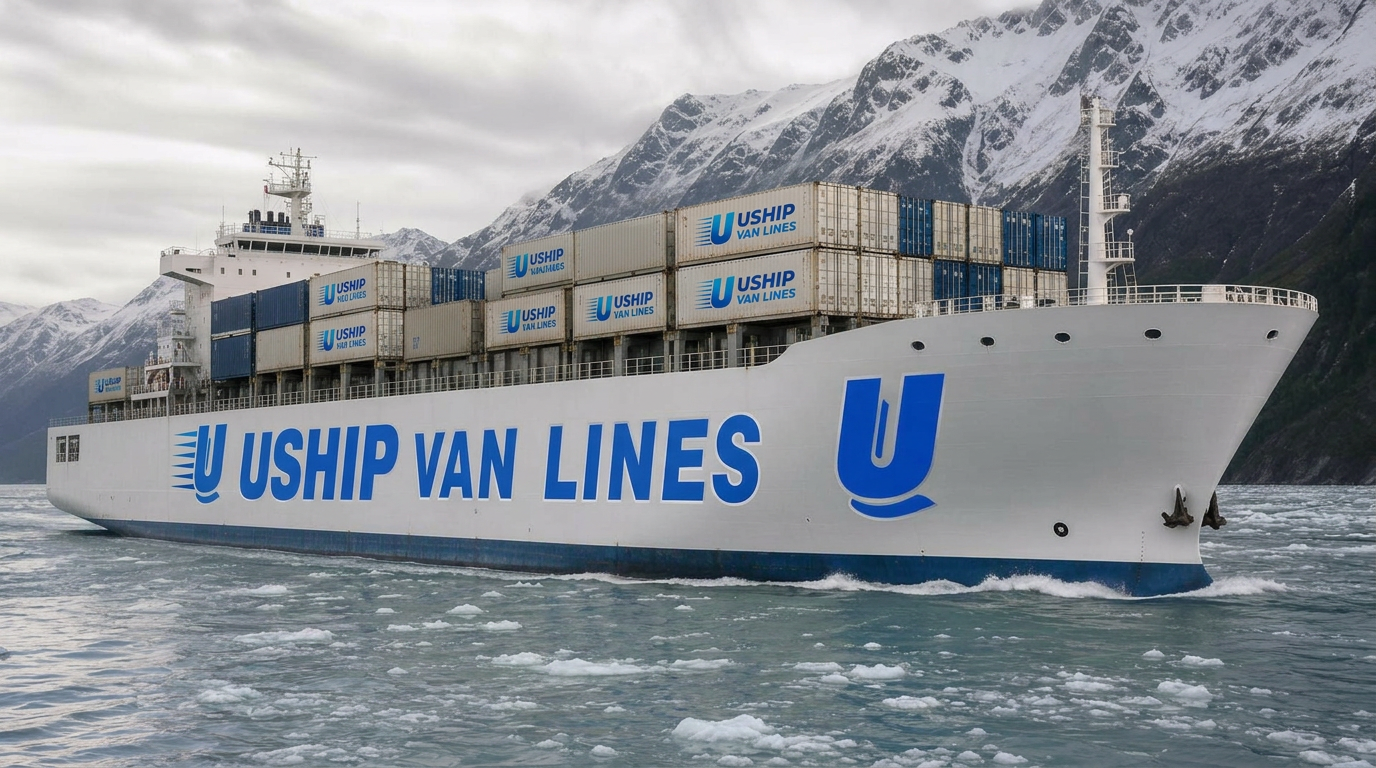
Moving from Alaska to Wallingford, Connecticut, involves unique logistics that most mainland moving companies simply don't understand. Your household goods will travel by barge from an Alaskan port to the Port of Tacoma, then overland 3,000+ miles across the continental U.S. to your new Wallingford home in New Haven County. This specialized route demands expertise in marine shipping, interstate transport, and careful timing.
Best Alaska & Hawaii Movers, powered by UShip Van Lines, coordinates every phase of your Alaska-to-Connecticut relocation. We handle port logistics, barge scheduling, overland transport, and final delivery to Wallingford's historic neighborhoods near the Quinnipiac River. Ready to start planning your cross-country move? Request your free, no-obligation quote today and speak with a move coordinator who understands Alaska's unique shipping requirements.
Route overview
Your Alaska to Wallingford Moving Route
This transcontinental move combines two distinct transportation modes across approximately 4,000 miles. Your belongings will first be transported to either the Port of Anchorage, Whittier, or Kodiak (depending on your Alaska origin point), then loaded onto a commercial barge for the 1,800-nautical-mile journey to Tacoma, Washington. Barge service typically runs weekly during peak season (May–September) and every 10–14 days during winter months.
From Tacoma, your shipment transfers to a long-haul moving truck for the 3,000-mile overland journey across Washington, Idaho, Montana or Wyoming, South Dakota, Minnesota or Iowa, Wisconsin, Illinois, Indiana, Ohio, Pennsylvania, and New York before reaching Connecticut. The final delivery brings your belongings through Connecticut's I-91 or I-84 corridor to Wallingford, a town of 45,000 residents located halfway between Hartford and New Haven.
Wallingford offers New England charm with reasonable cost-of-living compared to coastal Connecticut cities. Many Alaska relocators choose this area for career opportunities in Hartford's insurance sector, New Haven's healthcare and education industries, or the growing tech corridor along I-91. Understanding your specific origin point in Alaska—whether Anchorage, Fairbanks, Mat-Su Valley, Kenai Peninsula, or even bush communities—allows us to optimize your barge scheduling and provide accurate timing estimates.
How the moving process works
How Your Alaska to Wallingford Move Works
-
Free Virtual or In-Home Survey – Our Alaska-based coordinator evaluates your inventory via video call or in-person visit. We identify items requiring special handling, discuss timing preferences, and provide a detailed written estimate. For remote Alaska locations, we coordinate bush plane or ferry logistics to your origin point.
-
Strategic Packing and Preparation – Professional packers use marine-grade materials designed for barge transport: reinforced boxes, moisture barriers, and extra cushioning for the multi-leg journey. We inventory every item and photograph high-value belongings for insurance documentation. Hazardous materials (fuel, ammunition, propane) cannot travel by barge and require alternative arrangements.
-
Alaska Port Transport and Barge Loading – Your shipment moves to the designated Alaska port facility (Anchorage, Whittier, or Kodiak). Our port agents consolidate your goods into secure containers or load them onto the barge using lift-on/lift-off methods. Container shipments offer additional protection and may share space with other households moving to the Lower 48.
-
Barge Transit to Tacoma – The marine leg typically takes 6–9 days depending on weather, sea conditions, and port calls. Barges operate year-round but face occasional delays during severe winter storms in the Gulf of Alaska. We provide tracking updates and notify you when your shipment clears U.S. Customs (a formality for domestic moves, but required for Alaska-to-mainland transport).
-
Tacoma Transfer and Cross-Country Transport – At the Port of Tacoma, your shipment transfers to a 53-foot moving van for the overland journey. Our carrier partners specialize in long-distance Alaska/Hawaii routes and understand the importance of climate-controlled transport across varying temperature zones—from Pacific Northwest rain to Midwest cold to Connecticut humidity.
-
Connecticut Delivery and Wallingford Setup – The moving crew contacts you 24–48 hours before arrival in Wallingford. They'll navigate Connecticut's narrow colonial-era streets and handle final placement in your home. Full unpacking services are available, as are debris removal and furniture assembly. We walk through the inventory sheet together and address any concerns immediately.
-
Post-Move Support – Our customer care team follows up within one week to ensure satisfaction. Any claims for damage or loss are processed through our insurance partner with documentation from your initial inventory. We maintain records for seven years and remain available for questions about your move.
Estimated moving costs
What to Budget for Your Alaska to Wallingford Move
A typical 2-bedroom household (7,000–9,000 lbs) moving from Alaska to Wallingford generally costs $8,500–$14,500 for full-service door-to-door transport. A 3-bedroom home (10,000–13,000 lbs) typically ranges $13,000–$19,500. Studio or 1-bedroom apartments (3,000–5,000 lbs) often fall between $5,500–$8,500. These estimates include packing materials, labor, barge transport, overland trucking, and standard liability coverage.
Several factors influence your final cost. Origin accessibility matters significantly—moves from Anchorage or Mat-Su Valley cost less than moves from Kenai, Homer, Kodiak, or bush communities requiring additional ferry or air transport. Timing affects pricing: peak summer season (June–August) commands premium rates due to high demand, while winter moves (November–March) may offer 15–20% discounts despite longer transit times. Packing level impacts cost—full professional packing runs $1,200–$2,500 more than partial packing or self-pack options. Vehicle shipping adds significantly: a standard sedan runs $1,800–$2,800, while trucks or SUVs cost $2,200–$3,500 for the same Alaska-to-Connecticut barge-and-drive route.
Special items require additional planning and cost. Pianos need climate-controlled crating ($500–$900), vehicles with modifications may incur oversize fees, and gun safes or heavy machinery require specialized equipment. Storage in Tacoma or Connecticut runs $150–$350 per month if your Connecticut housing isn't ready upon arrival. Insurance beyond standard 60-cents-per-pound coverage typically adds 1.5–3% of declared value—recommended for moves of this distance and complexity. Always request a detailed written estimate that breaks down barge fees, overland transport, labor, materials, and any ancillary services. We never quote guaranteed prices without a thorough inventory assessment, as every Alaska move presents unique variables.
Estimated transit times
Alaska to Wallingford Moving Timeline
Door-to-door transit from Alaska to Wallingford typically requires 16–28 days under normal conditions. This breaks down into several distinct phases: local pickup and transport to the Alaska port (1–3 days, longer for remote areas), port staging and barge loading (1–3 days depending on barge schedule), barge transit to Tacoma (6–9 days), port unloading and overland transfer (1–2 days), cross-country trucking to Connecticut (5–7 days), and final delivery to Wallingford (same day or next-day upon arrival in Connecticut).
Summer moves (May–September) benefit from frequent barge departures and optimal weather, often completing in 16–21 days. Winter moves (October–April) face less predictable conditions: Gulf of Alaska storms can delay barges by 2–5 days, reduced barge frequency extends port wait times, and overland trucks navigate winter weather across the northern tier states. Winter moves should budget 21–28 days, with occasional extensions to 32+ days during severe weather events.
Your specific Alaska origin significantly impacts timing. Anchorage-area moves enjoy the most direct port access and frequent service. Mat-Su Valley adds 1–2 days for valley transport. Kenai Peninsula or Kodiak locations may require ferry coordination or less-frequent barge service, adding 3–7 days. Bush communities accessible only by air or seasonal barge may need 10–21 additional days for the initial leg. On the Connecticut end, Wallingford's location off I-91 provides excellent access—unlike more remote New England towns, delivery doesn't require specialized rural routing.
Regional logistics
Alaska-Specific Moving Logistics
Port Selection and Access: Your origin determines the optimal Alaska port. Anchorage residents typically use the Port of Anchorage (ANC), the state's largest facility with frequent barge service. Whittier serves as the Alaska Marine Highway terminus and handles significant freight; it's often ideal for Prince William Sound and Southcentral Alaska. Kodiak has its own port serving the island and surrounding communities. We evaluate distance, barge frequency, and cost to recommend the best option. Remote Southeast Alaska communities (Juneau, Ketchikan, Sitka) may route through Bellingham, WA instead of Tacoma.
Vehicle Shipping Coordination: Most Alaska-to-Connecticut movers ship at least one vehicle. Vehicles travel by the same barge as your household goods or via dedicated auto carriers. You must drain fuel to a quarter-tank or less, remove all personal items, disable alarms, and provide keys. The vehicle drives off at Tacoma and is delivered to Connecticut on a car carrier or driven by a professional driver (driver delivery costs less but adds mileage). Battery disconnection is required for barge transport. We coordinate timing so your vehicle arrives close to your household goods delivery date.
Restricted and Prohibited Items: Barge transport prohibits hazardous materials—this includes ammunition, gasoline, propane tanks, pool chemicals, paint, solvents, and aerosols. Perishable food is strongly discouraged. Plants face USDA regulations and may not survive the multi-week journey. Pets must travel separately via airline with proper health certificates and carrier compliance. Firearms are legal to transport if properly declared, unloaded, and secured according to federal transportation regulations.
Documentation Requirements: Alaska-to-mainland moves are domestic shipments but require customs clearance paperwork as goods transit from non-contiguous territory. We handle the bill of lading, customs forms, and inventory documentation. You'll need photo ID and proof of residence. If shipping a vehicle, bring the title (or lienholder authorization letter) and registration. Active-duty military members receive special considerations and should request military moving benefits documentation.
Connecticut Delivery Considerations: Wallingford features a mix of housing types—historic single-family homes in Center Town, modern subdivisions near I-91, and multi-family buildings. Many older homes have narrow doorways, steep stairs, and limited parking. Our delivery crews assess access in advance and bring specialized equipment (hoisting straps, furniture dollies for stairs). Street parking may require a Connecticut temporary no-parking permit from Wallingford Town Hall. Delivery to multi-story condos or apartments may incur elevator reservation requirements.
Insurance and Valuation: Basic carrier liability covers 60 cents per pound per article—inadequate for most households. We strongly recommend full-value protection (replacement cost coverage) for Alaska moves given the distance, multiple transport modes, and extended timeline. Marine insurance specifically covers barge transit risks. Review coverage options carefully and photograph valuable items before packing. Homeowner's or renter's insurance policies typically exclude items in professional mover custody.
Seasonal considerations
Best Times to Move from Alaska to Wallingford
Summer (May–August): Peak moving season offers the most reliable service but highest costs. Barge departures run weekly, seas are calmer, and overland weather is optimal. Expect 15–20% premium pricing and book 8–12 weeks ahead. Ideal if you have school-age children (summer break) or need guaranteed timing for job start dates. Wallingford's summers are warm and humid (80s–90s°F), a stark contrast to Alaska.
Fall (September–October): The sweet spot for many Alaska movers. Barge service remains frequent, pricing drops 10–15%, and autumn weather in both Alaska and Connecticut is generally favorable. Book 6–8 weeks ahead. You'll arrive during New England's spectacular fall foliage season, and Connecticut's milder autumn (60s–70s°F) offers comfortable unpacking weather.
Winter (November–March): Lowest prices (20–30% below summer) but significant weather risks. Gulf of Alaska storms can delay barges, and overland trucks face snow/ice across northern routes. Transit times extend considerably. Only recommended if you have flexible timing and want maximum cost savings. Wallingford winters are cold (20s–30s°F) with occasional significant snowstorms—far milder than Alaska but still requiring winter preparedness.
Spring (April–May): Shoulder season with moderate pricing and improving conditions. Barge schedules increase but aren't yet at summer frequency. Weather gradually improves, though late-season Alaska snowstorms and spring rains in the Lower 48 can cause delays. Book 6–8 weeks ahead. Wallingford's spring (50s–60s°F) means you'll arrive as Connecticut awakens from winter.
For barge-dependent Alaska moves, avoid holiday periods (Thanksgiving week, Christmas–New Year's) when schedules are reduced and many service providers operate on limited staff. The Alaska Marine Highway System and commercial barge operators publish annual schedules—we coordinate your move around confirmed departure dates rather than hoping for availability.
Why choose Best Alaska & Hawaii Movers
Why Best Alaska & Hawaii Movers for Your Wallingford Relocation
-
Alaska Specialization: Unlike mainland moving companies that treat Alaska as an afterthought, we've built our entire business around the unique requirements of non-contiguous state moves. We maintain Alaska-based coordinators, established port relationships, and partnerships with barge operators who prioritize our shipments.
-
Powered by UShip Van Lines: Our backing by UShip Van Lines provides access to the nation's largest network of vetted carriers while maintaining our specialized Alaska/Hawaii focus. You get boutique service with enterprise-level resources and accountability.
-
Transparent Pricing: We provide detailed written estimates that break down every cost component—barge fees, port handling, overland transport, packing materials, labor, and insurance options. No hidden fees, no surprises, no fine-print gotchas. You'll know exactly what you're paying for and why.
-
End-to-End Coordination: One point of contact manages your entire move from Alaska pickup through Wallingford delivery. We coordinate port logistics, track your barge, schedule the overland carrier, and communicate proactively at every phase. You're never left wondering where your belongings are or when they'll arrive.
-
Connecticut Local Knowledge: We've delivered to every Connecticut town and understand Wallingford's specific characteristics—its historic districts, access routes, parking limitations, and local regulations. Your delivery crew arrives prepared for Wallingford's unique layout and housing stock.