
Moving from Alaska to St Cloud, MN
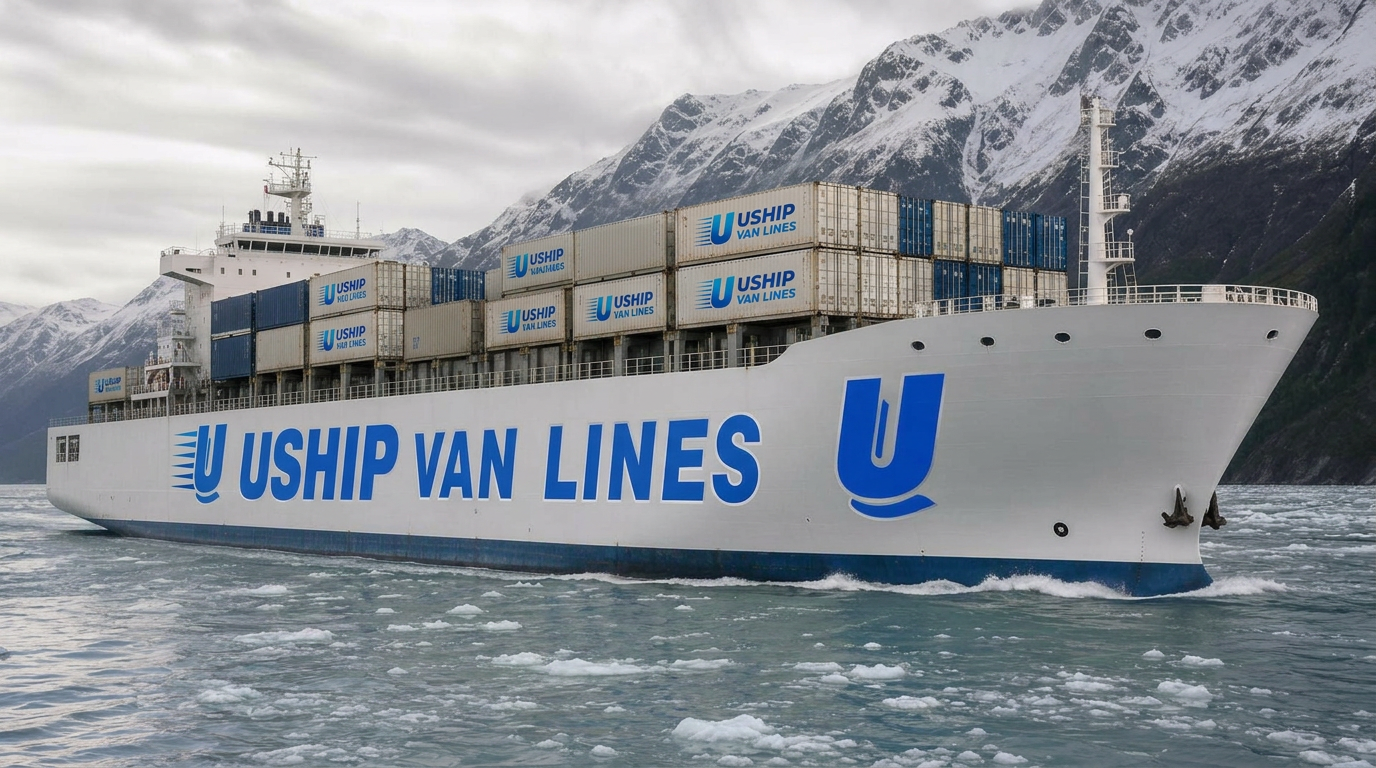
Relocating from Alaska to St Cloud, MN, requires specialized expertise in barge shipping, multimodal coordination, and Upper Midwest delivery logistics. This 2,200+ mile move combines ocean freight from Alaska ports through Tacoma or Seattle, followed by overland transport across the Northern Plains to Central Minnesota.
Best Alaska & Hawaii Movers, powered by UShip Van Lines, coordinates every phase of your Alaska-to-Minnesota relocation—from port scheduling and containerized shipping to final delivery in St Cloud. Request your detailed moving quote today to start planning your seamless transition to Minnesota.
Route overview
Alaska to St Cloud Route Overview
The Alaska-to-St Cloud corridor serves families, military personnel, retirees, and professionals relocating from America's Last Frontier to Minnesota's college town and regional hub. St Cloud's growing economy, affordable housing market, and four-season climate attract Alaskans seeking mainland accessibility while maintaining a smaller-city feel.
This route requires barge transport from Anchorage, Fairbanks, or Mat-Su Valley to Tacoma/Seattle ports, followed by overland trucking approximately 1,600 miles through Idaho, Montana, North Dakota, and into Central Minnesota. The journey crosses diverse terrain—from Pacific Northwest mountain passes to the Great Plains—requiring experienced carriers familiar with both Alaska shipping protocols and Upper Midwest winter driving conditions.
St Cloud's position along Interstate 94, midway between Minneapolis and Fargo, makes it an accessible final destination once your shipment clears the continental logistics network. Timing your move around Alaska's peak summer barge season and Minnesota's harsh winter weather significantly impacts both cost and transit reliability.
How the moving process works
How Your Alaska to St Cloud Move Works
-
Free Consultation & Inventory Assessment – Your dedicated move coordinator evaluates your household goods volume, specialty items (vehicles, boats, ATVs), and departure location within Alaska to design a customized shipping plan and provide transparent cost estimates.
-
Port Selection & Barge Booking – We schedule your containerized shipment on Alaska Marine Lines or Totem Ocean Trailer Express barges departing from Anchorage, Whittier, or connecting ports, coordinating with Tacoma/Seattle arrival windows that align with your timeline.
-
Professional Packing & Container Loading – Licensed Alaska packers prepare your household goods for the marine environment, securing items against ocean transit and loading 20' or 40' containers at our Alaska facility or your residence for bush/remote locations.
-
Barge Transit to Pacific Northwest – Your container sails 1,400+ nautical miles through the Inside Passage or Gulf of Alaska (5–10 days depending on route and weather), clearing customs and port inspections upon arrival at the Tacoma/Seattle port complex.
-
Overland Trucking Coordination – Once cleared, your container transfers to our partner truck lines for the 1,600-mile journey across I-90/I-94, transiting Washington, Idaho, Montana, North Dakota, and Minnesota with real-time GPS tracking.
-
Minnesota Delivery & Final Mile – Our local St Cloud delivery team coordinates arrival at your new residence, unloads your container, and completes furniture placement, debris removal, and final inspection—ensuring a smooth landing in Central Minnesota.
-
Vehicle & Specialty Item Transport – Separately, any vehicles, ATVs, or watercraft ship via roll-on/roll-off (RoRo) barge service or enclosed auto transport, arriving in Minnesota through our coordinated vehicle logistics network.
Estimated moving costs
What Does an Alaska to St Cloud Move Cost?
A typical 2–3 bedroom household moving from Alaska to St Cloud, MN, ranges from $6,800 to $13,500 depending on volume, services, and season. A 1,200 cubic foot shipment (roughly a 2-bedroom apartment) averages $7,500–$9,200, while a full 3–4 bedroom home (2,500+ cubic feet) can reach $11,000–$13,500 or more.
Primary cost drivers include:
- Barge Freight Charges – Container shipping from Alaska ports to Tacoma/Seattle represents 40–50% of total costs; rates fluctuate based on fuel surcharges, peak summer demand, and container availability
- Distance & Overland Miles – The 1,600-mile truck leg from Pacific Northwest to St Cloud adds significant per-mile charges, especially during winter when carriers assess weather-related surcharges
- Packing & Labor – Professional packing services in Alaska typically run $800–$2,200 depending on household size; partial packing (fragile items only) reduces costs
- Access & Last-Mile Delivery – Remote Alaska locations (Mat-Su, Kenai Peninsula, Fairbanks) require additional shuttle fees; St Cloud urban delivery is straightforward, but rural Stearns/Benton County addresses may incur extra mileage
- Seasonal Timing – Summer moves (May–September) coincide with peak Alaska barge schedules but command premium rates; shoulder season (April, October) offers better pricing with acceptable weather
- Vehicle Shipping – Adding a vehicle via RoRo barge increases total costs by $1,800–$3,200 Alaska-to-Minnesota
These estimates reflect door-to-door service including packing materials, standard liability coverage, and normal transit. We never guarantee prices without a detailed inventory assessment—request your personalized quote to receive binding estimates based on your specific needs.
Estimated transit times
Alaska to St Cloud Transit Timeline
Door-to-door moving from Alaska to St Cloud typically requires 18–32 days, broken down by leg:
- Alaska Packing & Port Delivery (2–5 days) – Urban Anchorage pickups move quickly; remote locations like Fairbanks, Kenai, or bush communities require additional trucking/barge time to reach the departure port
- Barge Sailing to Tacoma/Seattle (5–10 days) – Direct sailings average 5–7 days; indirect routes with Kodiak, Valdez, or Southeast Alaska stops extend to 9–10 days depending on the carrier's schedule
- Port Processing & Container Transfer (2–4 days) – Customs clearance, port drayage, and container positioning for overland carriers; occasionally extends during peak summer months or holiday slowdowns
- Overland Truck Transit (4–7 days) – The 1,600-mile I-90/I-94 corridor from Seattle to St Cloud takes 4–5 days under normal conditions; winter weather through Montana and North Dakota can add 1–3 days
- Final Delivery Scheduling (1–3 days) – Our St Cloud team coordinates your delivery window once the truck reaches Minnesota, allowing flexibility for residence access
Summer moves (June–August) offer the most predictable timelines with frequent barge sailings and favorable road conditions. Winter relocations (November–March) face potential delays from Alaska port closures, reduced barge frequency, and Upper Midwest blizzards—plan for extended timelines and maintain flexible housing arrangements on both ends.
Regional logistics
Alaska-Specific Moving Logistics
Port Operations & Barge Scheduling Alaska moves depend entirely on marine shipping infrastructure. The Port of Anchorage handles the majority of containerized freight, with Whittier serving as an alternative for South-Central Alaska. Fairbanks shipments typically truck to Anchorage for barge access. Alaska Marine Lines and TOTE operate the primary barge services, with sailings 1–3 times weekly during peak season, reducing to weekly or biweekly in winter. Container availability tightens May–August—early booking is critical.
Customs, Documentation & Restricted Items While Alaska-to-CONUS moves avoid international customs, carriers require detailed inventories for barge manifests. Firearms must be declared and properly secured; ammunition ships separately with restrictions. Hazardous materials (propane tanks, fuel cans, certain cleaning supplies) are prohibited on barges. Perishable food should be consumed or donated—marine transit times and temperature variations make refrigerated goods impractical.
Vehicle & Recreational Equipment Shipping Vehicles ship via RoRo (roll-on/roll-off) barge service, separate from household goods containers. Cars must be clean (Alaska soil/plant material restrictions), contain no personal items, and have less than 1/4 tank fuel. ATVs, snowmachines, boats, and RVs require special handling; rates vary by size and weight. Vehicle transit parallels household goods timelines but coordinates independently.
Last-Mile Delivery in Alaska & Minnesota Remote Alaska locations (Mat-Su Valley, Kenai Peninsula, Fairbanks, bush communities) require shuttle trucks or barge connections before reaching the main Anchorage port. St Cloud delivery is straightforward via I-94, but the city's winter parking regulations and narrow historic neighborhood streets may require smaller delivery trucks or shuttle services for final placement. Communicate access limitations (low bridges, weight-restricted roads, steep driveways) during booking.
Seasonal considerations
Seasonal Planning for Alaska to St Cloud Moves
Summer (May–September): Peak Season, Maximum Reliability Summer offers the most frequent Alaska barge schedules, ice-free port operations, and optimal overland driving conditions across the Northern Plains. Expect premium pricing (15–25% higher than shoulder season) but predictable timelines and maximum carrier availability. Book 6–8 weeks ahead during this busy period. Minnesota summers welcome you with pleasant weather for unpacking and settling in.
Fall (October–November): Shoulder Season Value Early fall provides excellent cost savings as summer demand subsides, while barge schedules remain reasonably frequent through October. The Alaska shoulder season and Minnesota's pleasant autumn weather create ideal moving conditions. Be prepared for potential early snowstorms in Montana/North Dakota by late November. Booking 4–6 weeks ahead secures competitive rates.
Winter (December–March): Budget Season with Challenges Winter moves offer the lowest rates (20–30% below summer peaks) but face significant logistical hurdles. Alaska port operations reduce frequency; some smaller ports close entirely. The northern I-94 corridor experiences blizzards, ice storms, and road closures that can delay trucks 3–10 days. Only recommended for flexible timelines and budget-conscious movers willing to accept weather delays. St Cloud winters are harsh—arrange housing and utilities well in advance.
Spring (April–May): Transition Period Spring brings increasing barge frequency as Alaska's shipping season ramps up, with moderate pricing and improving road conditions as winter recedes. Watch for shoulder-season storms in the Rockies and Northern Plains. Alaska's famous "breakup" season creates muddy access issues in rural areas. Book 5–7 weeks ahead to secure containers before summer rush pricing begins.
Why choose Best Alaska & Hawaii Movers
Why Best Alaska & Hawaii Movers for Your Alaska to St Cloud Relocation
-
Alaska Barge Expertise – We manage complex multimodal shipping daily, coordinating marine freight, port operations, and overland transport through a single point of contact, eliminating the confusion of managing multiple carriers yourself.
-
Midwest Delivery Network – Our established Minnesota partnerships ensure reliable final-mile delivery in St Cloud and throughout Central Minnesota, with teams experienced in winter logistics and residential access challenges.
-
Transparent Cost Estimates – Powered by UShip Van Lines' technology platform, we provide detailed, itemized quotes with no hidden fees—you'll understand exactly what you're paying for at each stage of your move.
-
Flexible Scheduling & Storage – We accommodate Alaska's unique seasonal constraints and offer short-term storage solutions in Tacoma/Seattle or Minnesota if your housing timeline doesn't align perfectly with transit schedules.
-
Full-Service or DIY Options – Choose comprehensive white-glove packing and unpacking, or opt for container-only shipping if you prefer to pack yourself—we customize service levels to match your budget and preferences.