
Moving from Alaska to Durham, NC
Relocating from Alaska to Durham, NC, means coordinating barge transport from Anchorage, Fairbanks, or the Mat-Su Valley to the port of Tacoma, then overland delivery to North Carolina's Research Triangle. This 3,500+ mile journey combines maritime logistics with cross-country trucking, requiring careful planning and experienced coordination.
Best Alaska & Hawaii Movers, powered by UShip Van Lines, specializes in Alaska-to-Lower-48 relocations. We handle every step—from Anchorage pickup to Durham doorstep—so you can focus on settling into Durham's thriving tech scene, world-class universities, and beautiful piedmont landscape. Request your free, no-obligation quote today to compare rates and timelines tailored to your move.
Route overview
Alaska to Durham, NC: Route & Distance Overview
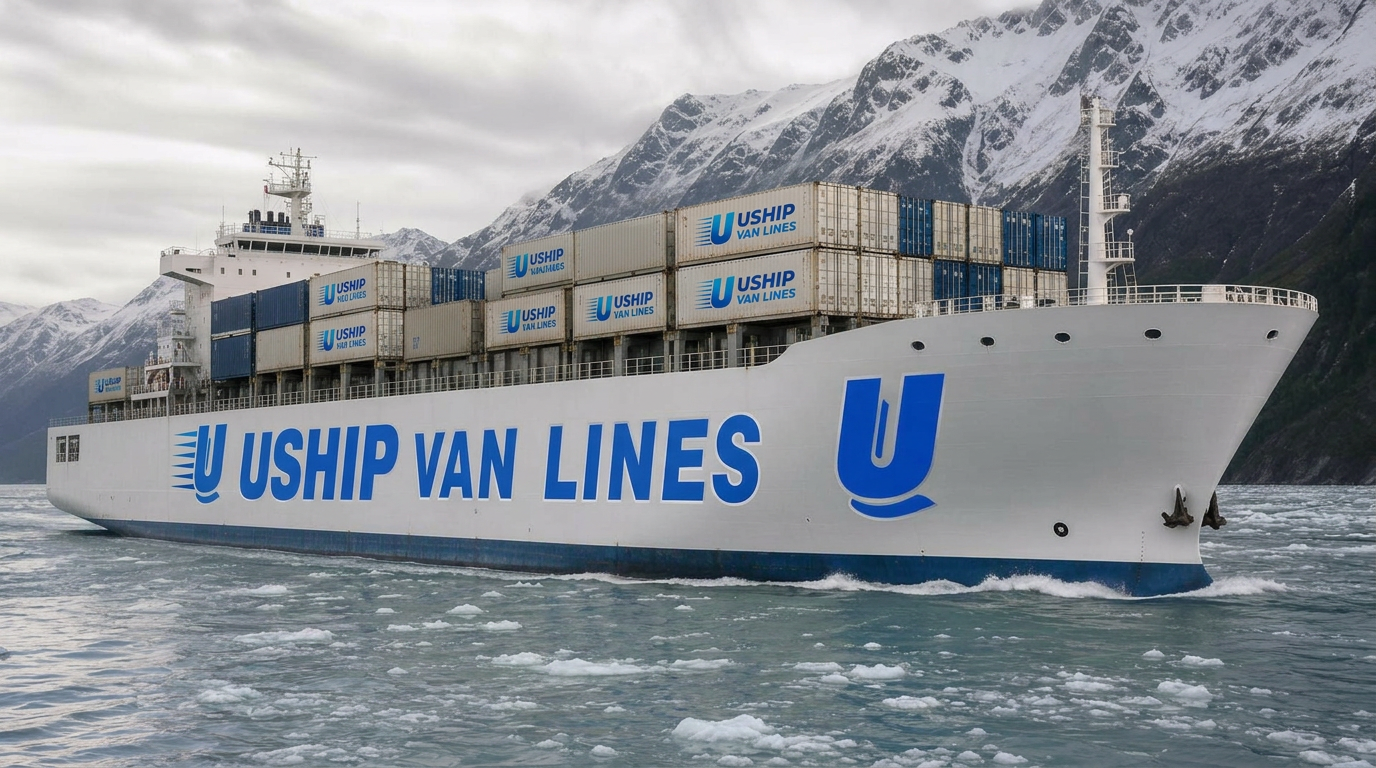
Your household goods travel approximately 3,600 miles from Alaska to Durham. The first leg involves trucking from your Alaska residence—whether in Anchorage, Fairbanks, the Mat-Su Valley, or Kenai Peninsula—to the Port of Anchorage or Whittier. Items are containerized and loaded onto a commercial barge bound for the Port of Tacoma, Washington, a voyage of roughly 1,500 nautical miles that typically takes 5–7 days depending on weather and sailing schedules.
Once your container clears Tacoma customs and is unloaded, it's transferred to a long-haul truck for the 2,800-mile overland journey to Durham. The route crosses Washington, Idaho, Montana, Wyoming or South Dakota, Nebraska, Iowa, Illinois, Indiana, Ohio, West Virginia, and Virginia before reaching the Triangle region of North Carolina. Total door-to-door transit averages 14–21 days, with barge schedules and weather windows being the primary variables.
Durham sits in the heart of the Research Triangle, home to Duke University, NC Central, and a booming biotech and tech economy. The city's humid subtropical climate, vibrant food scene, and affordable cost of living make it a popular destination for Alaskans seeking milder winters and career opportunities in the Southeast.
How the moving process works
How Your Alaska-to-Durham Move Works: Step-by-Step
-
Free Quote & Planning Consultation
Submit your move details—origin city (Anchorage, Fairbanks, Mat-Su, etc.), inventory size, and preferred dates. We'll provide a detailed estimate covering barge, trucking, and any storage or special handling needs. -
Alaska Pickup & Containerization
Our Alaska-based crew arrives at your home to load your belongings into a 20-foot or 40-foot steel shipping container. We secure furniture, appliances, and fragile items for the marine voyage. Vehicles can often share container space or travel via roll-on/roll-off (RoRo) service. -
Barge Transport to Tacoma
Your sealed container is trucked to the Port of Anchorage or Whittier and loaded onto the next available barge. Sailings run year-round but are most frequent April–October. The voyage to Tacoma takes 5–7 days in good weather. -
Port Clearance & Transfer
At Tacoma, the container is offloaded, inspected, and transferred to an over-the-road carrier. We coordinate customs paperwork (if applicable) and scheduling for the cross-country leg. -
Overland Transit Across the Lower 48
Your container travels eastward via I-90 or I-80, crossing the northern plains and Midwest before heading south through the Appalachians on I-77 or I-85 into North Carolina. This leg takes 6–10 days depending on routing and weather. -
Final Delivery in Durham
Our Durham-area delivery team unloads your container at your new residence, placing furniture and boxes according to your instructions. We'll remove packing materials and confirm your inventory matches the Bill of Lading. -
Post-Move Support
If you have questions, damage claims, or need temporary storage in Durham, our customer service team remains available. We also offer vehicle shipping quotes and specialty item handling for pianos, artwork, or antiques.
Estimated moving costs
What Does It Cost to Move from Alaska to Durham, NC?
For a typical 2–3 bedroom household (8,000–12,000 lbs), expect to budget $6,500–$11,500 for a full-service move from Alaska to Durham. Studio or 1-bedroom moves often range $4,200–$6,800, while larger 4-bedroom homes can exceed $13,000–$18,000. These estimates include barge transport, overland trucking, basic liability coverage, and standard pickup/delivery.
Key Cost Drivers:
- Volume & Weight: Charges are based on cubic footage or weight. Heavier furniture, appliances, and large inventories increase costs.
- Origin Location: Fairbanks or remote Mat-Su communities require longer last-mile trucking to the port, adding $500–$1,500.
- Barge Season: Peak summer sailings (June–August) may carry higher rates due to demand. Off-season moves (November–March) can save 10–15% but face longer scheduling windows.
- Packing Services: Professional packing adds $800–$2,000 depending on inventory complexity and fragile items.
- Vehicle Shipping: Adding a car or truck to your container saves versus separate auto transport but increases overall cost by $1,500–$3,000.
- Insurance: Full-value protection (replacement cost) costs 1–2% of declared inventory value; basic liability covers $0.60/lb per article.
- Storage: Short-term warehousing in Tacoma or Durham runs $150–$400/month if your Durham residence isn't ready.
No guaranteed prices are offered without a formal quote. Fuel surcharges, accessorial fees (stairs, long carries, elevator use), and seasonal adjustments apply. Request a detailed, itemized estimate to understand your total investment.
Estimated transit times
How Long Does an Alaska-to-Durham Move Take?
Door-to-door transit from Alaska to Durham typically requires 14–21 days, though weather, barge schedules, and origin location can extend timelines to 25+ days. Here's a realistic breakdown:
- Alaska Pickup to Port Delivery: 1–2 days (same-day in Anchorage; up to 3 days from Fairbanks or remote areas).
- Barge Sailing (Anchorage/Whittier to Tacoma): 5–7 days under normal conditions. Winter storms or fog can add 1–3 days.
- Port Processing in Tacoma: 1–2 days for offloading, customs clearance (if applicable), and transfer to truck.
- Overland Transit (Tacoma to Durham): 6–10 days, depending on routing, driver hours-of-service regulations, and weather across the northern tier or Midwest.
- Durham Delivery Window: Carriers typically provide a 2–3 day delivery window once your shipment reaches the East Coast.
Off-Season Considerations: November–March barge schedules may be less frequent (every 10–14 days vs. weekly in summer), adding 5–10 days to overall transit. Book early and build buffer time if you have a firm Durham move-in date.
Expedited Options: Some movers offer priority barge booking and dedicated truck service for an additional 20–30% premium, potentially shaving 3–5 days off standard timelines.
Regional logistics
Alaska-Specific Moving Logistics You Need to Know
Ports & Barge Schedules:
Most Alaska household goods ship via the Port of Anchorage or Whittier. Barge lines like TOTE Maritime and Alaska Marine Lines operate year-round service to Tacoma. Summer sailings depart weekly; winter schedules may be every 10–14 days. Your mover coordinates booking and container drop-off.
Containerization & Packing:
Alaska moves use 20-foot or 40-foot steel shipping containers. A 20-foot container holds a typical 2-bedroom apartment; 40-foot suits 3–4 bedrooms. Items must be secured for marine transit—professional packing is highly recommended for fragile or valuable goods. Vehicles can share container space (reducing cost) or ship separately via RoRo.
Vehicle Shipping:
Driving from Alaska to Durham is impractical (4,000+ miles through Canada). Most residents ship one vehicle in or atop their container and sell or ship others separately. Auto transport adds $1,500–$3,000 depending on size and method. Ensure your vehicle is clean (USDA/Customs standards) and under ¼ tank of fuel.
Documentation & Customs:
Moves within the U.S. (Alaska to Lower 48) don't require customs declarations, but Canada border crossings (if trucking through BC/Alberta) may trigger inspections. Your mover handles Bills of Lading, port paperwork, and any agricultural inspections. Keep an inventory list and photos for insurance purposes.
Remote Pickup Considerations:
If you're moving from Fairbanks, Mat-Su Valley, Kenai, or off-road communities, last-mile trucking to the port can add 1–3 days and $500–$1,500 in costs. Winter road conditions (ice, limited daylight) may restrict pickup windows. Discuss origin-specific logistics during your quote consultation.
Storage Options:
If your Durham home isn't ready, short-term storage is available in Tacoma (holding your container before truck dispatch) or Durham (after arrival). Costs run $150–$400/month. Climate-controlled warehousing in Durham protects against humidity and summer heat.
Prohibited & Restricted Items:
Barge and truck carriers prohibit hazardous materials (propane, ammunition, chemicals), perishable food, and plants (USDA restrictions). Firearms must be declared and packed per ATF guidelines. Discuss specialty items (pianos, artwork, gun safes) during planning.
Seasonal considerations
Best Time to Move from Alaska to Durham, NC
Spring (April–May):
Barge schedules ramp up to weekly or twice-weekly sailings. Weather is improving in Alaska, and road conditions across the northern plains are generally favorable. Demand is moderate, so pricing remains competitive. Ideal for families coordinating school-year transitions.
Summer (June–August):
Peak moving season. Most frequent barge departures and fastest transit times, but higher demand drives up rates by 10–20%. Excellent for avoiding winter weather on both ends. Book 6–8 weeks in advance to secure preferred dates. Durham's summer heat and humidity begin, so plan for climate adjustment.
Fall (September–October):
Shoulder season offers a sweet spot: still-reliable barge schedules, lower pricing than summer, and pleasant fall weather in Durham. Hurricanes can occasionally impact East Coast delivery schedules in September, but North Carolina's piedmont region sees less disruption than the coast.
Winter (November–March):
Barge sailings are less frequent, and weather-related delays are more common in Alaska and across the northern Lower 48. However, rates can be 10–15% lower, and availability is better. If you have flexible timelines and want to save money, winter moves are feasible—just budget extra days for potential delays. Durham's mild winters (average highs in the 50s°F) make move-in easier than Alaska's deep freeze.
Why choose Best Alaska & Hawaii Movers
Why Choose Best Alaska & Hawaii Movers for Your Alaska-to-Durham Relocation
- Alaska Logistics Expertise: We understand Port of Anchorage operations, barge schedules, and last-mile challenges in Fairbanks, Mat-Su, and remote areas—plus seamless coordination with Durham-area delivery teams.
- Transparent, All-Inclusive Pricing: Our quotes cover barge, trucking, basic insurance, and standard delivery. No hidden fees or surprise charges at delivery. You'll know your total investment upfront.
- Powered by UShip Van Lines: Access to a vetted network of interstate carriers, real-time shipment tracking, and customer support from quote through final delivery.
- Flexible Scheduling & Storage: We work around your timeline, offering short-term warehousing in Tacoma or Durham if your move-in date shifts, plus vehicle shipping and specialty item handling.
- Proven Track Record: Hundreds of successful Alaska-to-Lower-48 moves annually. We know how to navigate weather delays, port logistics, and cross-country routing to keep your shipment on schedule and intact.