
Moving from Alaska to Kentucky
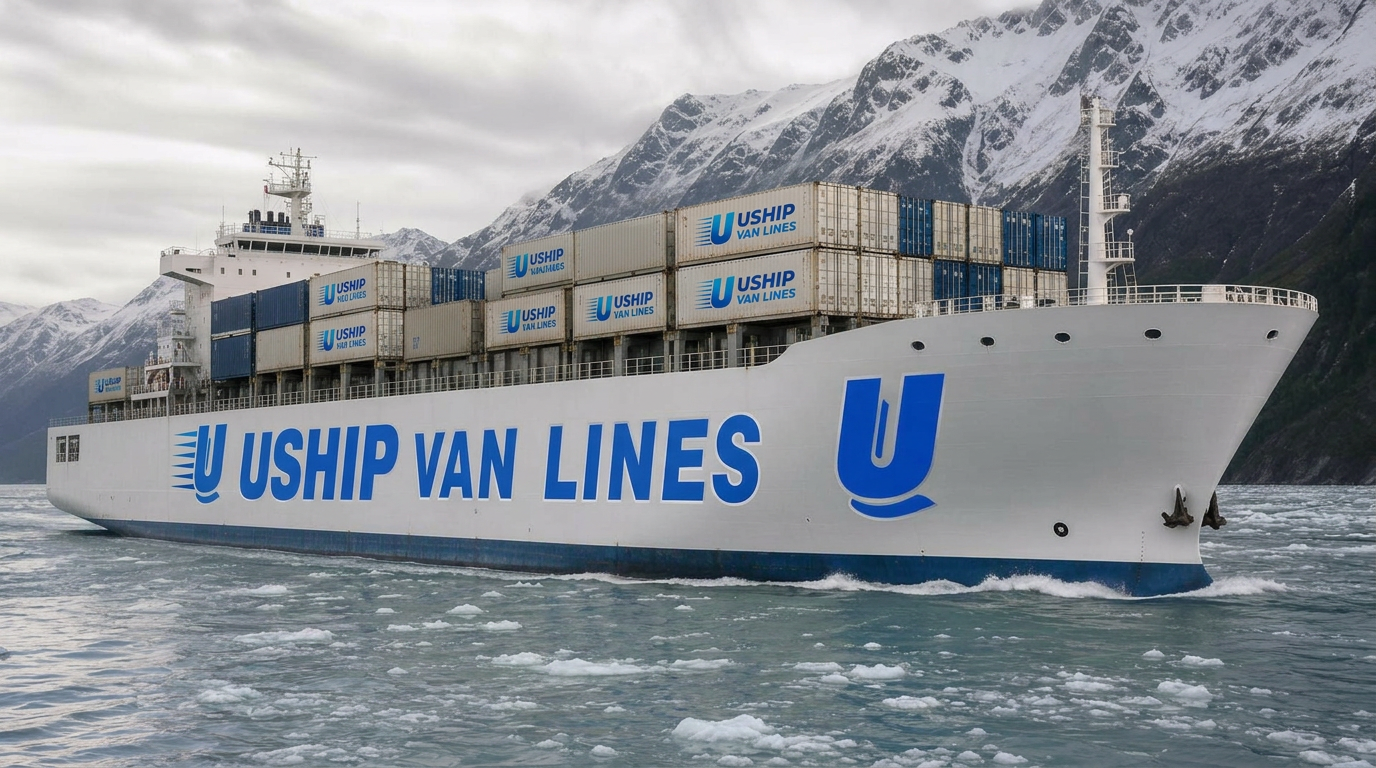
Relocating from the Last Frontier to the Bluegrass State is a significant undertaking that combines ocean barge shipping with overland trucking. Whether you're moving from Anchorage to Louisville, Fairbanks to Lexington, or the Mat-Su Valley to Bowling Green, this 3,500+ mile journey requires specialized logistics, careful timing, and experienced coordination.
Best Alaska & Hawaii Movers, powered by UShip Van Lines, manages the complete multimodal journey—from your Alaska doorstep through Port of Anchorage, barge transit to Tacoma, overland trucking through the Pacific Northwest and Midwest, and final delivery to your Kentucky home. Request your free detailed quote today to start planning your move with transparent pricing and realistic timelines.
Route overview
Understanding the Alaska to Kentucky Moving Route
Moving from Alaska to Kentucky requires a multimodal approach combining maritime and overland transportation. Your household goods travel from your Alaska residence to Port of Anchorage (or Whittier for some areas), ship via ocean barge to the Port of Tacoma in Washington State, then transfer to long-haul trucks for the 2,300-mile overland journey through Idaho, Montana or Wyoming, South Dakota or Nebraska, Iowa or Missouri, and finally into Kentucky.
This route crosses dramatically different climate zones and terrain—from Alaska's subarctic environment through the Pacific Northwest's mountain passes, across the Great Plains, and into Kentucky's rolling hills and river valleys. The logistics involve coordination between marine carriers operating Alaska barge services, port facilities in both Tacoma and Anchorage, and experienced long-distance truck carriers familiar with both winter mountain driving and Kentucky's rural delivery requirements.
The total door-to-door distance varies based on your specific Alaska origin (Anchorage, Fairbanks, Kenai Peninsula, or Mat-Su Valley) and Kentucky destination (Louisville metro, Lexington, northern Kentucky near Cincinnati, or smaller communities). Most moves follow established shipping lanes optimized for Alaska-to-Lower-48 relocations, with Kentucky deliveries typically routed through major Midwest transportation hubs.
How the moving process works
How Your Alaska to Kentucky Move Works: Step-by-Step
-
Initial Survey and Quote — A moving coordinator conducts a virtual or in-person assessment of your Alaska home to inventory items, identify special handling needs (firearms, hunting equipment, cold-weather gear), and provide a detailed cost estimate based on weight, cubic footage, barge schedules, and current Kentucky delivery availability.
-
Barge Schedule Coordination — Your move is booked according to Alaska Marine Lines or Totem Ocean Trailer Express (TOTE) sailing schedules from Anchorage/Whittier to Tacoma. During peak season (May–September), sailings are more frequent; winter moves require advance planning around reduced sailing frequency.
-
Alaska Pickup and Container Loading — Professional movers arrive at your Alaska home, carefully pack and load your belongings into a dedicated container or trailer. Items are secured for ocean transit with specialized blocking and bracing to handle wave action during the 3–4 day barge voyage.
-
Port Processing and Barge Transit — Your container is transported to Port of Anchorage (or Whittier), processed through port security and customs documentation, loaded onto the barge, and shipped to Tacoma. This leg typically takes 5–8 days including port processing on both ends.
-
Tacoma Transfer and Overland Trucking — Upon arrival in Tacoma, your container is offloaded, cleared through the port facility, and transferred to a long-haul truck for the 2,300-mile journey to Kentucky. The driver navigates I-90 or I-84 eastward, then south through the Midwest on I-80/I-70 or similar routes.
-
Kentucky Delivery and Unloading — The truck arrives at your Kentucky destination, where professional movers unload your belongings, perform basic furniture assembly, and remove packing materials. You inspect items and sign off on delivery completion.
-
Post-Move Support — Any claims for damage or missing items are filed according to your insurance coverage. Your moving coordinator remains available to address concerns and ensure your satisfaction with the completed move.
Estimated moving costs
What Does an Alaska to Kentucky Move Cost?
A typical 2–3 bedroom household move from Alaska to Kentucky ranges from $6,800 to $14,500 depending on volume, exact locations, season, and service level. A 1,200-square-foot Anchorage apartment to a Louisville home might cost $7,200–$9,800, while a 2,500-square-foot Fairbanks house to rural eastern Kentucky could reach $12,000–$14,500 or more.
Primary cost drivers include:
- Distance and weight — Kentucky is 3,500+ miles from most Alaska cities; longer last-mile distances in Alaska (Fairbanks, Kenai, Mat-Su) or rural Kentucky add costs
- Barge fees — Ocean shipping from Anchorage to Tacoma is priced per cubic foot or trailer space, with seasonal rate variations
- Fuel surcharges — Both marine and overland portions include fuel adjustments based on current diesel and marine fuel prices
- Seasonal demand — Summer moves (June–August) command premium pricing due to peak Alaska moving season; winter discounts may apply November–March
- Access challenges — Remote Alaska pickups, unpaved roads, or Kentucky rural deliveries requiring smaller trucks increase costs
- Packing services — Full-service packing adds $800–$2,200; fragile-only or partial packing reduces costs
- Vehicle shipping — Auto transport Alaska to Kentucky runs $1,800–$3,200 separately via drive-away or container services
- Storage — If your Kentucky residence isn't ready, storage in Tacoma or Kentucky costs $150–$400/month
Request a detailed quote with a complete breakdown—reputable Alaska movers provide transparent pricing with no hidden fees, though final costs may adjust based on actual weight and any added services.
Estimated transit times
How Long Does Alaska to Kentucky Moving Take?
Door-to-door transit from Alaska to Kentucky typically requires 14–28 days, with timing heavily influenced by barge schedules, weather, and seasonal factors.
Timeline breakdown by leg:
- Alaska pickup to Port of Anchorage: 1–3 days (same-day for Anchorage; 2–3 days from Fairbanks, Mat-Su, or Kenai Peninsula)
- Port processing and wait for sailing: 1–5 days depending on barge schedule alignment
- Barge transit Anchorage to Tacoma: 3–4 days ocean voyage
- Tacoma port offload and truck transfer: 1–3 days for customs clearance and equipment assignment
- Overland trucking Tacoma to Kentucky: 5–7 days for the 2,300-mile journey, including required driver rest periods
- Kentucky delivery window: 1–2 days (you'll receive 24-hour advance notice)
Summer moves (May–September) benefit from frequent barge sailings and optimal driving conditions, often completing in 14–18 days. Winter moves (November–March) face reduced barge frequency, potential weather delays in mountain passes or Midwest winter storms, and may extend to 21–28 days. Spring breakup (April) and fall freeze-up (October) can add unpredictability.
Flexible delivery windows and advance booking (4–8 weeks recommended) help ensure smoother scheduling. Expedited service isn't typically available for Alaska routes due to the fixed barge schedule, but consolidated shipments on popular lanes sometimes move faster.
Regional logistics
Alaska-Specific Moving Logistics to Kentucky
Port and barge operations: Most Alaska moves consolidate through Port of Anchorage, though some Southcentral shipments use the Port of Whittier (access via tunnel with restricted hours). Fairbanks and Interior Alaska shipments truck 350+ miles to Anchorage for barge loading. Your container is loaded onto Alaska Marine Lines or TOTE barges for the Inside Passage or Gulf of Alaska route to Tacoma.
Vehicle shipping: Cars and trucks ship separately from household goods. Drive-away services ($1,800–$2,500) allow vehicles to be driven to Seattle/Tacoma, then trucked to Kentucky. Container shipping ($2,200–$3,200) loads your vehicle into a secure container for barge and overland transport. Both options take 2–4 weeks. Ensure your vehicle is cleaned (Alaska soil can't enter Lower 48) and has less than a quarter tank of fuel for safety regulations.
Restricted and prohibited items: Alaska moves often include firearms (must be declared, unloaded, and properly packed), hunting and fishing gear (clean and dry to prevent invasive species issues), and cold-weather equipment. Hazardous materials (fuel, ammunition, propane, solvents) cannot ship on barges. Perishable foods should be consumed or donated. Plants may require USDA inspection; check Kentucky agricultural restrictions.
Last-mile challenges: Remote Alaska locations (Mat-Su Valley, Kenai Peninsula, Fairbanks, bush communities) require coordination with local trucking services for first-mile pickup. Kentucky rural deliveries may need smaller trucks for narrow roads or bridges with weight limits. Always confirm your specific address is accessible by standard moving equipment.
Insurance and claims: Marine transit requires specialized coverage beyond standard moving insurance. Verify your policy covers ocean barge transport, not just overland trucking. Document high-value items with photos before packing. File any damage claims within the specified window (typically 9 months for interstate moves, but verify your contract terms).
Timing and communication: Alaska's time zone (AKST, 4 hours behind Eastern) and Kentucky's (EST) require clear communication about scheduling. Expect regular updates as your shipment progresses through each leg, but understand that weather and port operations sometimes cause delays beyond the carrier's control.
Seasonal considerations
Best Time to Move from Alaska to Kentucky
Summer (June–August): Peak moving season with maximum barge frequency (weekly or bi-weekly sailings), reliable weather, and easiest Alaska access. Roads are clear, daylight is abundant, and Kentucky weather is warm. Expect highest prices and book 6–8 weeks ahead. Ideal for families moving between school years.
Spring (April–May): Shoulder season with increasing barge frequency and improving weather. Alaska experiences breakup (muddy, unstable roads in some areas), but southern Alaska routes are generally passable. Kentucky weather is mild and pleasant for moving. Moderate pricing and good availability make this attractive for flexible timelines.
Fall (September–October): Another shoulder season with decreasing barge sailings as winter approaches. Early September is excellent with clear weather and lower demand. Late October risks early Alaska snowfall and freeze-up complications. Kentucky autumn is beautiful for moving. Moderate to lower pricing.
Winter (November–March): Off-season with significantly reduced barge frequency (sometimes monthly or less). Alaska roads require winter driving expertise; some remote areas become difficult to access. However, costs drop 15–25%, and movers have greater availability. The overland Tacoma-to-Kentucky leg may face mountain pass closures or Midwest blizzards. Best for budget-conscious movers with flexible timelines and minimal belongings.
Barge schedule note: Alaska Marine Lines and TOTE publish seasonal schedules months in advance. Your moving coordinator should book your shipment around confirmed sailing dates, not estimated ones, to avoid costly port storage fees if you miss a sailing.
Why choose Best Alaska & Hawaii Movers
Why Best Alaska & Hawaii Movers for Your Alaska to Kentucky Relocation
-
Alaska-Specialist Expertise — We focus exclusively on Alaska and Hawaii moves, understanding the unique barge schedules, port procedures, weather considerations, and multimodal logistics that general moving companies rarely encounter. Our coordinators know the difference between moving from Anchorage versus Fairbanks versus Mat-Su.
-
Transparent Multimodal Pricing — You receive a detailed quote breaking down barge fees, port charges, overland trucking, and last-mile delivery—no hidden costs or surprise fuel surcharges. We explain exactly what you're paying for at each leg of the journey.
-
Powered by UShip Van Lines Network — Our partnership with UShip Van Lines connects you to vetted, experienced carriers specializing in long-distance and Alaska routes, while our team manages coordination, scheduling, and customer service throughout your move.
-
End-to-End Coordination — From your initial quote through final delivery in Kentucky, one dedicated coordinator manages your entire move—booking the barge, arranging trucking, tracking your shipment, and troubleshooting any issues. You're never passed between multiple companies wondering who's responsible.
-
Flexible Solutions for Unique Needs — Whether you're shipping vehicles, need temporary storage in Tacoma or Kentucky, require partial packing for fragile items, or have special handling needs for firearms or outdoor equipment, we customize service to your situation rather than forcing you into a one-size-fits-all package.