
Moving from Alaska to Duluth, MN
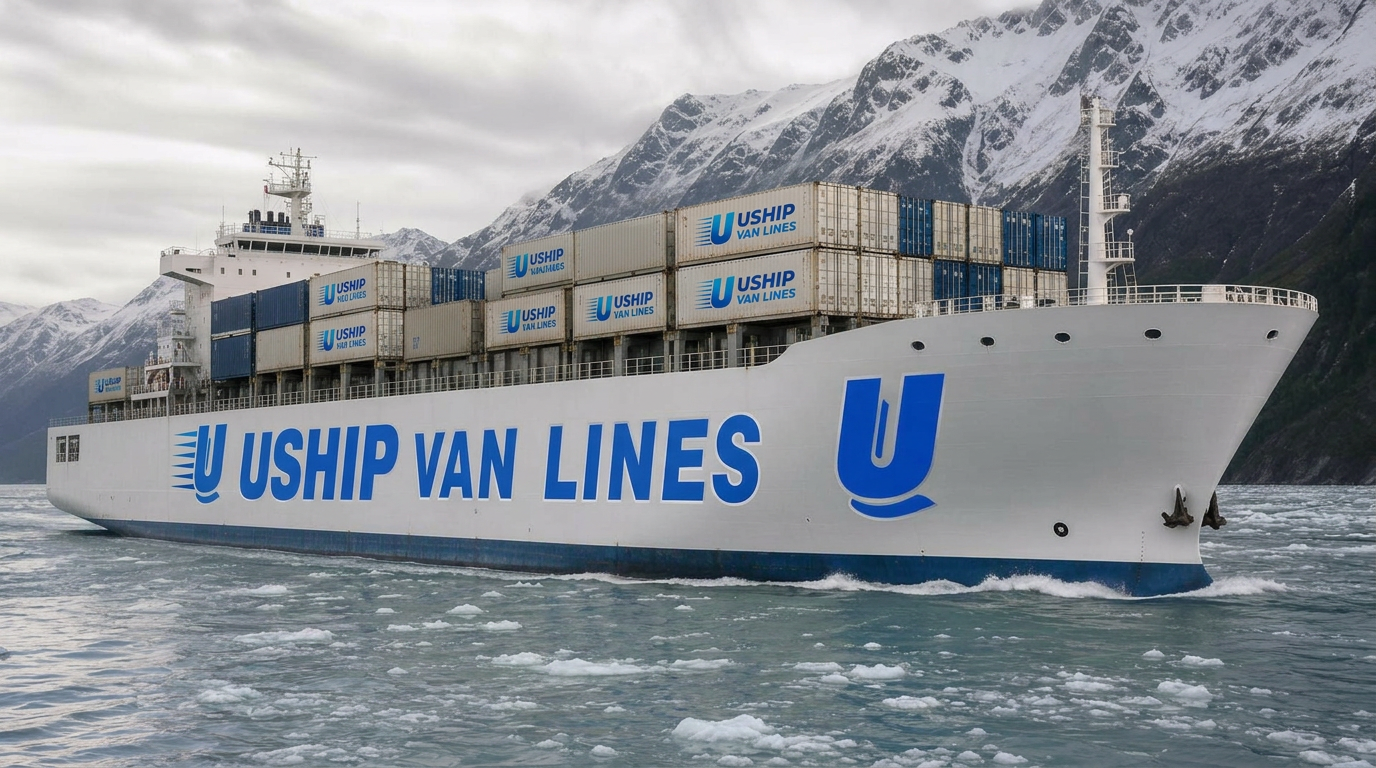
Relocating from Alaska to Duluth, MN combines the complexity of Alaska barge logistics with the precision of Upper Midwest delivery. Whether you're leaving Anchorage, Fairbanks, or the Mat-Su Valley for Duluth's lakeside community, your household goods will travel by oceangoing barge to Tacoma, then overland through two thousand miles of highways to the shores of Lake Superior.
Best Alaska & Hawaii Movers, powered by UShip Van Lines, specializes in this exact routing. We coordinate barge schedules, port transfers, cross-country trucking, and final delivery into Duluth neighborhoods from Canal Park to Woodland. Request a free quote today to lock in your timeline and get a transparent cost breakdown for your move.
Route overview
The Alaska-to-Duluth Moving Corridor
This route serves Alaskans relocating to Duluth for university positions at UMD, healthcare roles at Essentia Health and St. Luke's, or lifestyle changes drawn by Minnesota's four-season climate and outdoor recreation. Duluth sits at the westernmost tip of Lake Superior, roughly 2,350 road miles from Tacoma and an additional ocean voyage from Alaska ports.
Your shipment consolidates at the Port of Anchorage or other Alaska departure points, travels by barge to the Port of Tacoma (7–14 days on water), clears the terminal, loads onto a cross-country truck, and traverses I-90 through Montana and I-35 through Minnesota. Total door-to-door time typically ranges 3–5 weeks depending on barge sailing frequency, weather windows, and whether you're moving during peak summer months or the quieter shoulder seasons.
Duluth's steep hillside streets, older housing stock, and winter conditions require experienced drivers for final delivery. Movers familiar with the terrain navigate narrow driveways in neighborhoods like Lakeside and East Hillside, plan for limited street parking, and schedule deliveries around lake-effect snow events that can appear as late as April or as early as October.
How the moving process works
How Your Alaska-to-Duluth Move Works: Step by Step
-
Request a quote and confirm your dates. Provide your origin address in Alaska (Anchorage, Fairbanks, Kenai, etc.), destination in Duluth, inventory size, and preferred move window. We'll match you to the next available barge sailing and reserve truck capacity for the overland leg.
-
Pre-move survey and inventory. A coordinator conducts a virtual or in-person walkthrough, documents high-value items, notes access constraints (stairs, elevators, narrow hallways), and finalizes your bill of lading. You'll receive packing guidelines and a timeline showing barge departure, Tacoma arrival, truck dispatch, and Duluth delivery.
-
Packing and Alaska pickup. Professional crews pack your household (or you self-pack and we load), wrap furniture, crate fragile items, and prepare everything for the barge voyage. We schedule pickup around your lease end date and coordinate any temporary storage if your Duluth home isn't ready.
-
Barge transit to Tacoma. Your container sails from Alaska to the Port of Tacoma, spending 7–14 days at sea depending on weather and the carrier's schedule. Barges run year-round but sailings are less frequent November–March.
-
Port transfer and cross-country truck dispatch. In Tacoma, longshoremen unload your container, customs (if applicable) clears the shipment, and our partner transfers goods to a long-haul truck. The driver departs for Duluth via I-90 and I-35, a 1,500–1,700-mile journey taking 3–5 days of road time plus any required rest breaks.
-
Final delivery in Duluth. The truck arrives at your Duluth address, crew unloads and places items in designated rooms, reassembles beds and tables, and removes packing debris. You inspect, sign off, and settle into your new Minnesota home.
-
Post-move support. File any claims within the insurance window, track down missing cartons if needed, and leave feedback. We stay available for questions about unpacking, furniture assembly, or vehicle shipment follow-up if you transported a car separately.
Estimated moving costs
What Does an Alaska-to-Duluth Move Cost?
A typical 2–3 bedroom household (approximately 7,000–10,000 pounds) moving from Alaska to Duluth runs $6,500–$11,500 all-in. Studio or 1-bedroom loads may fall in the $4,200–$6,800 range; larger 4-bedroom homes with vehicles can exceed $14,000.
Key cost drivers:
- Volume and weight. Barge freight is billed by container size (20 ft or 40 ft) or cubic footage; truck freight by weight and mileage. More belongings mean higher costs on both legs.
- Barge schedule and sailing frequency. Summer sailings (May–September) run more often, reducing wait time but sometimes carrying premium rates. Off-season moves may cost less but require flexible scheduling.
- Origin and destination access. Remote Alaska locations (Kenai Peninsula, Fairbanks, Mat-Su outlying areas) incur extra last-mile fees. In Duluth, steep hills, tight alleys, or walk-up apartments add labor charges.
- Packing services. Full-service packing (materials, labor, crating) adds $800–$2,000. Self-packing saves money but shifts liability for poorly packed items to you.
- Insurance and valuation. Basic released-value coverage (60 cents per pound) is included; full-value replacement insurance costs roughly 1–2% of declared inventory value.
- Vehicle shipping. Adding a car or truck via separate auto transport (roll-on/roll-off barge or drive-away service) runs $1,800–$3,500 Alaska-to-Minnesota.
We never guarantee prices without a formal quote. Request yours now to get a binding estimate tailored to your exact inventory, dates, and service level.
Estimated transit times
How Long Does the Move Take?
Plan for 21–35 days door-to-door from your Alaska pickup to Duluth delivery.
Leg-by-leg breakdown:
- Alaska pickup to barge departure: 1–5 days, depending on your location and the terminal's consolidation schedule.
- Barge sailing (Alaska to Tacoma): 7–14 days on water. Sailings are more frequent May–September; winter schedules may add a week.
- Port dwell and truck loading in Tacoma: 2–4 days for customs clearance (if needed), container unloading, and truck dispatch.
- Cross-country truck transit (Tacoma to Duluth): 3–5 days of drive time over 1,500+ miles, including federally mandated rest breaks.
- Final delivery window: We provide a 2–3 day arrival window; Duluth delivery teams confirm 24 hours ahead.
Summer moves (June–August) enjoy the tightest schedules thanks to frequent barge sailings and clear highways. Winter moves (November–March) can stretch to the upper end of the range due to fewer sailings, potential weather delays in mountain passes (Snoqualmie, Lookout, Homestake), and lake-effect snow around Duluth that may require rescheduling the final delivery day.
Flexibility is your friend. If your Duluth lease or closing date is firm, build in a 5–7 day buffer and arrange temporary lodging or storage on either end.
Regional logistics
Alaska-to-Minnesota Logistics You Need to Know
Ports and terminals: Most Alaska moves consolidate at the Port of Anchorage; smaller volumes from Fairbanks or Mat-Su may truck to Anchorage or occasionally use the Port of Whittier. On the mainland side, the Port of Tacoma is the primary gateway. Customs inspection applies only if you're a non-U.S. citizen or importing restricted items.
Container or shared load: If you have a full 3–4 bedroom household, a dedicated 20 ft or 40 ft container makes sense and reduces handling. Smaller moves (studio, 1-bedroom) often share container space, which lowers cost but requires tighter scheduling to match other shipments.
Vehicle shipping: Cars and trucks can ride the same barge (roll-on/roll-off service) or ship separately via auto transport. If you're driving the Alaska Highway to the Lower 48, plan 4–7 days and budget for fuel, lodging, and vehicle wear. Many clients ship the household by barge and fly, then arrange vehicle delivery or drive down later.
Paperwork: You'll complete a bill of lading, high-value inventory list, and (if moving a vehicle) title and registration documents. Keep digital copies of everything. If you're military PCS, provide orders for potential weight allowances and reimbursement.
Storage options: Need to store goods between Alaska pickup and Duluth delivery? We offer secure warehouse storage in Tacoma (climate-controlled units available) or short-term storage in Duluth if your home isn't ready. Storage charges run $100–$250 per month depending on volume.
Duluth delivery details: Duluth's hillside topography means narrow streets, steep driveways, and limited turnaround space for large trucks. Neighborhoods like Congdon, Hunter's Park, and Woodland often require shuttle trucks or careful scheduling to avoid street-cleaning days and resident parking restrictions. Communicate access constraints (low-clearance garages, alleys, staircases) during your quote so we can plan the right equipment.
Final weight and charges: Your quote is based on estimated weight; actual charges may adjust after the truck is weighed. Reputable movers disclose this upfront and provide certified scale tickets. If final weight differs significantly from estimate, you'll receive a revised invoice before delivery.
Seasonal considerations
Best Times to Move from Alaska to Duluth
Summer (May–September): Peak moving season. Barge sailings run weekly or biweekly, highways are clear, and Duluth delivery teams work extended daylight hours. Costs are at the high end, and booking 6–8 weeks ahead is essential. Ideal if you're timing a move around a UMD semester start or a summer home closing.
Fall (October–November): Shoulder season with slightly lower rates and decent barge frequency. Mountain passes in Montana and Minnesota can see early snow in late October; Duluth itself often gets first snowfall by Halloween. Book 4–6 weeks out and monitor weather forecasts for the overland leg.
Winter (December–March): Lowest rates and lightest demand, but barge sailings drop to every 2–3 weeks and weather becomes the wild card. Snoqualmie Pass (I-90 in Washington), Lookout Pass (Montana–Idaho), and Homestake Pass (Montana) all require chain-up or detours during storms. Duluth can see blizzards and sub-zero cold that delay final delivery. Only choose winter if you're flexible and can store essentials separately.
Spring (April–early May): Barge schedules ramp up, rates start climbing, and highways thaw. Mud season and spring breakup in Alaska can complicate rural pickups; Duluth's late-winter snow (it's snowed in Duluth as late as May 4) can surprise newcomers. A good compromise if you want moderate pricing and improving logistics.
No matter the season, Alaska's weather and Duluth's lake-effect systems demand contingency planning. We track forecasts, adjust schedules proactively, and keep you updated every step of the way.
Why choose Best Alaska & Hawaii Movers
Why Best Alaska & Hawaii Movers for Your Alaska-to-Duluth Move?
- Alaska-specific expertise. We coordinate barge sailings, understand Alaska port operations, and manage last-mile pickups in Anchorage, Fairbanks, Mat-Su, Kenai, and remote communities—logistics most national van lines won't touch.
- Single-source accountability. One team, one point of contact from Alaska pickup through Duluth delivery. You never get handed off to a local agent who doesn't know your shipment's history.
- Transparent pricing and tracking. Binding quotes with itemized cost breakdowns, real-time shipment tracking, and proactive communication at every handoff—barge departure, Tacoma arrival, truck dispatch, delivery window.
- Powered by UShip Van Lines' carrier network. We leverage vetted, licensed motor carriers for the cross-country leg, ensuring your goods travel with professionals who meet federal safety standards and carry full cargo insurance.
- Flexible service levels. Choose full-service packing and white-glove delivery, or self-pack and save. Add vehicle shipping, temporary storage, or specialty crating for art, antiques, and electronics. We tailor the move to your budget and timeline.
- Midwest delivery experience. Our Duluth delivery partners know the terrain—how to navigate Central Hillside's one-ways, where to stage trucks in Canal Park, how to handle walk-ups in the old mansions along Superior Street. You get crews who've done this route dozens of times, not a random contractor learning on the job.