
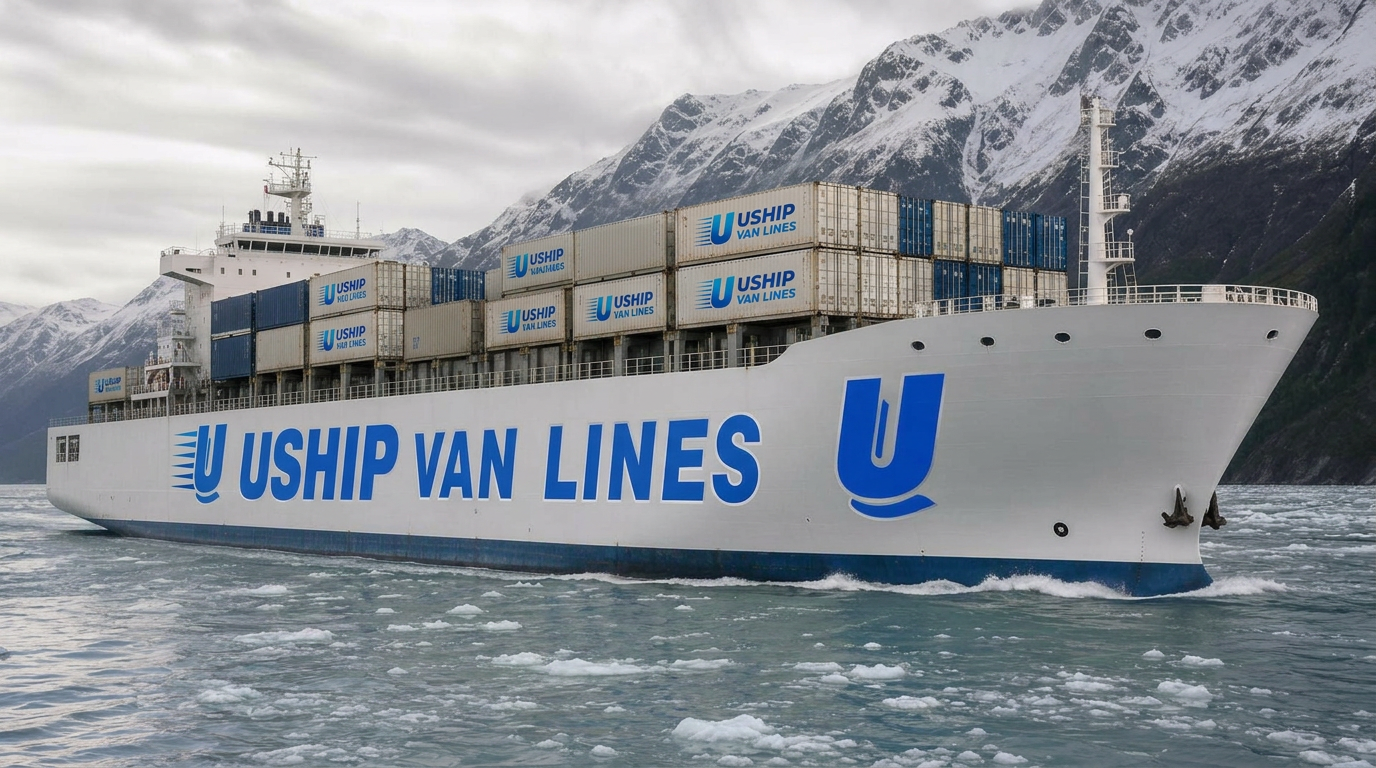
Moving from Alaska to Waukesha, WI
Relocating from Alaska to Waukesha, WI means coordinating a complex multi-modal move that combines barge transport from Alaska ports with overland trucking through the Midwest. Whether you're leaving Anchorage, Fairbanks, the Mat-Su Valley, or even remote bush communities, your household goods will travel by barge to the Port of Tacoma before continuing by truck across Montana, North Dakota, and into southeastern Wisconsin.
Best Alaska & Hawaii Movers, powered by UShip Van Lines, specializes in these challenging Alaska-to-Lower 48 relocations. We manage the entire logistics chain—from pickup at your Alaska residence through barge loading, mainland delivery, and final placement in your Waukesha home. Request a free quote to start planning your move with confidence.
Route overview
Alaska to Waukesha Route Logistics
The Alaska-to-Waukesha moving corridor requires coordination across three distinct transportation modes. Your belongings are picked up anywhere in Alaska—from downtown Anchorage apartments to Mat-Su Valley homes or Fairbanks military housing—and transported to either the Port of Anchorage or Whittier for barge loading. The ocean leg crosses the Gulf of Alaska to Tacoma, Washington, typically requiring 5–7 days of sailing time depending on weather and service schedules.
From Tacoma, your shipment clears customs inspection and transfers to a long-haul truck for the 1,850-mile overland journey to Waukesha. The route typically follows I-90 east through Spokane, crosses the Montana plains, cuts through South Dakota, and enters Wisconsin via I-94 before reaching the Milwaukee metro area. Waukesha sits just 18 miles west of Milwaukee, making it easily accessible for final delivery.
This route serves households leaving Alaska's major population centers as well as military families from Joint Base Elmendorf-Richardson relocating to civilian life in Wisconsin. The combination of maritime and overland logistics requires specialized expertise that general moving companies simply don't possess.
How the moving process works
Step-by-Step Moving Process
-
Initial Survey and Quote – Our team conducts a virtual or in-person assessment of your Alaska home to inventory belongings, identify special items (firearms, artwork, outdoor gear), and provide a detailed cost estimate. We discuss your preferred moving dates and any scheduling constraints related to Alaska barge sailings.
-
Barge Schedule Coordination – Alaska barge services operate on published schedules with limited sailing frequencies, especially during winter months. We book your shipment on the appropriate Tacoma-bound barge, ensuring adequate lead time for pickup and port delivery. Last-minute bookings may face 2–4 week delays.
-
Alaska Pickup and Packing – Professional movers arrive at your Alaska residence to pack, protect, and load your household goods. We use marine-grade packing materials and moisture barriers essential for the humid barge environment. Items are loaded into a dedicated container or secure van compartment.
-
Port Delivery and Barge Loading – Your container is transported to the Port of Anchorage, Whittier, or another designated Alaska port facility. It's loaded onto the scheduled barge along with other freight and secured for the Gulf of Alaska crossing. You receive tracking information and estimated Tacoma arrival dates.
-
Tacoma Port Processing – Upon arrival in Washington, your shipment clears USDA agricultural inspection (required for all Alaska arrivals) and customs documentation. This typically adds 1–2 business days. The container is then transferred to our overland trucking partner.
-
Overland Transport to Wisconsin – A dedicated truck departs Tacoma for the multi-day drive across Washington, Idaho, Montana, North Dakota, and Wisconsin. The route covers approximately 1,850 miles and typically requires 4–5 days of driving time, weather permitting.
-
Waukesha Delivery and Placement – The truck arrives at your Waukesha address within the scheduled delivery window. Our crew unloads all items, places furniture in designated rooms, unpacks if you've selected full-service options, and removes packing materials. You inspect the shipment and sign off on delivery completion.
Estimated moving costs
Moving Cost Estimates
A typical 2-bedroom household move from Alaska to Waukesha, WI generally ranges from $6,800 to $11,500, while a 3-bedroom home with garage and outdoor equipment may cost $10,500 to $16,200. These estimates reflect the combined cost of Alaska pickup, barge freight, Tacoma port handling, and overland trucking to southeastern Wisconsin.
Several factors significantly impact your final cost. Container type and cubic footage are primary drivers—a 20-foot container holds roughly a 2-bedroom home, while 3–4 bedroom households often require 40-foot containers or shared load arrangements. Peak summer season (May–September) commands premium pricing due to high Alaska moving demand and limited barge capacity. Winter moves may offer lower rates but face weather-related scheduling uncertainty.
Distance from Alaska ports affects pickup costs substantially. Anchorage and Mat-Su Valley locations have straightforward port access, while Fairbanks adds 350+ miles of overland transport, and bush communities require air freight to a hub city before barge loading. Vehicle shipping, specialty items (pianos, gun safes, ATVs), and full-service packing add to base transportation costs. Storage fees apply if you need warehousing in Tacoma during the transition between barge arrival and truck availability.
We provide transparent, itemized quotes with no hidden fees. Costs are based on actual inventory and services selected—we never provide guaranteed pricing without a proper household survey. Request your personalized quote to understand the true cost of your specific move.
Estimated transit times
Expected Transit Times
Door-to-door moving from Alaska to Waukesha typically requires 14 to 28 days depending on barge schedules, weather conditions, and your Alaska starting point. The timeline breaks down into distinct transportation legs, each with its own scheduling considerations.
Alaska Pickup to Port Delivery: 1–3 days for Anchorage and Mat-Su locations; 3–5 days from Fairbanks; 5–10 days from bush communities requiring connecting flights or winter ice road access.
Barge Sailing Time: 5–7 days for the Gulf of Alaska crossing from Anchorage or Whittier to Tacoma, assuming normal weather. Winter storms can add 1–3 days. Barge departures occur weekly during summer peak season but may reduce to twice-monthly during winter.
Tacoma Port Processing: 1–2 business days for agricultural inspection and container transfer to truck. Occasional customs delays can extend this to 3–4 days.
Overland Trucking: 4–6 days for the 1,850-mile journey from Tacoma to Waukesha, accounting for mandatory driver rest periods and potential weather delays crossing the northern plains states.
Delivery Window: Final delivery is scheduled within a 2–3 day window based on truck progress. We provide real-time tracking updates as your shipment crosses the Midwest.
Military moves and peak-season relocations should book 6–8 weeks in advance to secure preferred dates. Winter moves require additional buffer time for weather contingencies.
Regional logistics
Alaska-Specific Moving Logistics
Port and Barge Operations: Alaska shipments to the Lower 48 must clear through designated ports—primarily the Port of Anchorage, Whittier, or occasionally Seward. Barge services are operated by limited carriers with published sailing schedules that vary seasonally. Your shipment shares barge space with commercial freight, vehicles, and other household moves. All containers must meet maritime safety standards and weight limits. We coordinate all port documentation, container delivery timing, and barge booking on your behalf.
Agricultural and Customs Inspection: Every shipment arriving in Tacoma from Alaska undergoes mandatory USDA agricultural inspection to prevent the introduction of invasive species and plant diseases. Inspectors may open containers to examine wooden furniture, outdoor equipment with soil, and plant materials. Prohibited items (certain plants, untreated wood, soil samples) are confiscated. This process typically adds 1–2 business days but can extend longer if issues are found. Proper documentation and advance declaration of outdoor gear expedites this process.
Vehicle Shipping Coordination: Many Alaska residents ship vehicles separately via roll-on/roll-off (RoRo) barge services. Vehicle and household goods often cannot share the same container for insurance and liability reasons. We can coordinate vehicle shipping through partner auto transport services, or you can arrange separately. The Alaska Highway drive to Wisconsin covers over 3,500 miles and takes 7–10 days of hard driving—most families opt for shipping both household goods and vehicles rather than driving.
Remote and Bush Community Access: Locations off the Alaska road system (accessible only by air or seasonal ice roads) require special arrangements. Household goods are palletized and flown to Anchorage, Fairbanks, or another hub city before consolidating for barge transport. This adds significant cost—typically $0.75–$1.50 per pound for air freight—but is often the only option. Winter ice road access to some villages may actually reduce costs compared to summer air freight. We have experience with remote Alaska logistics that typical moving companies lack.
Military Move Coordination: Joint Base Elmendorf-Richardson (JBER) moves to Wisconsin follow specific military protocols. We work with your transportation office, adhere to PCS timelines, and provide required documentation for military claims. Military shipments often have weight allowances that affect what can be included. We're familiar with JBER base access requirements and can coordinate pickup from on-base housing.
Seasonal considerations
Seasonal Moving Considerations
Summer (May–September): Peak Alaska moving season with weekly barge sailings, maximum capacity, and highest pricing. The ice-free season offers most reliable schedules and fastest transit times. Book 6–8 weeks ahead as container space fills quickly. Pleasant weather in both Alaska and Wisconsin makes this the preferred moving window, but expect premium rates and limited last-minute availability. Summer barge services operate at full capacity with the most frequent departures.
Fall (October–November): Shoulder season with reduced barge frequency—typically twice-monthly rather than weekly sailings. Pricing moderates compared to summer peaks, and availability improves. Early winter storms can begin affecting Gulf of Alaska crossings by late November. Wisconsin weather remains manageable for delivery, though early snow is possible. This represents a sweet spot for cost savings if your schedule is flexible around barge departures.
Winter (December–March): Off-peak season with significantly reduced barge schedules—some services operate monthly or suspend entirely during harsh weather months. Substantial cost savings are possible, but weather delays are common. Gulf of Alaska winter storms can postpone barge departures by days or even weeks. Wisconsin winter conditions may complicate final delivery, especially to rural Waukesha County locations during blizzards. Plan for extended timelines and build in schedule flexibility. Ice road access to some Alaska bush communities may actually improve during this season.
Spring (April): Transition period as barge services ramp up toward summer schedules. Pricing begins rising as demand increases. Breakup season in Alaska can complicate rural pickups as ice roads become impassable and summer roads remain muddy. Wisconsin weather is unpredictable with late-season snowstorms possible. Good compromise between winter savings and summer reliability if you can navigate the scheduling transition.
Why choose Best Alaska & Hawaii Movers
Why Choose Best Alaska & Hawaii Movers
-
Alaska-Specific Expertise – We specialize exclusively in Alaska and Hawaii relocations, understanding the unique barge logistics, port operations, weather challenges, and seasonal scheduling that general moving companies don't encounter. Our team has managed hundreds of Alaska-to-Wisconsin moves.
-
Seamless Multi-Modal Coordination – Your move requires perfect synchronization between Alaska pickup, port delivery, barge sailing, Tacoma processing, and overland trucking. We manage every transition point, eliminating the coordination headaches you'd face working with multiple vendors.
-
Transparent Pricing and Communication – You receive detailed, itemized quotes based on actual household inventory—no hidden fees or surprise charges. We provide regular updates as your shipment progresses through each transportation leg, with real-time tracking from Alaska to Wisconsin.
-
Marine-Grade Packing and Protection – The barge environment exposes shipments to humidity, temperature fluctuations, and ocean motion that standard packing doesn't protect against. We use moisture barriers, reinforced containers, and securing techniques developed specifically for Alaska maritime transport.
-
Powered by UShip Van Lines Network – Our partnership with UShip Van Lines provides access to vetted, professional carriers across North America while maintaining our specialized Alaska-Hawaii focus. You get the reliability of an established network with the expertise of Alaska specialists.