
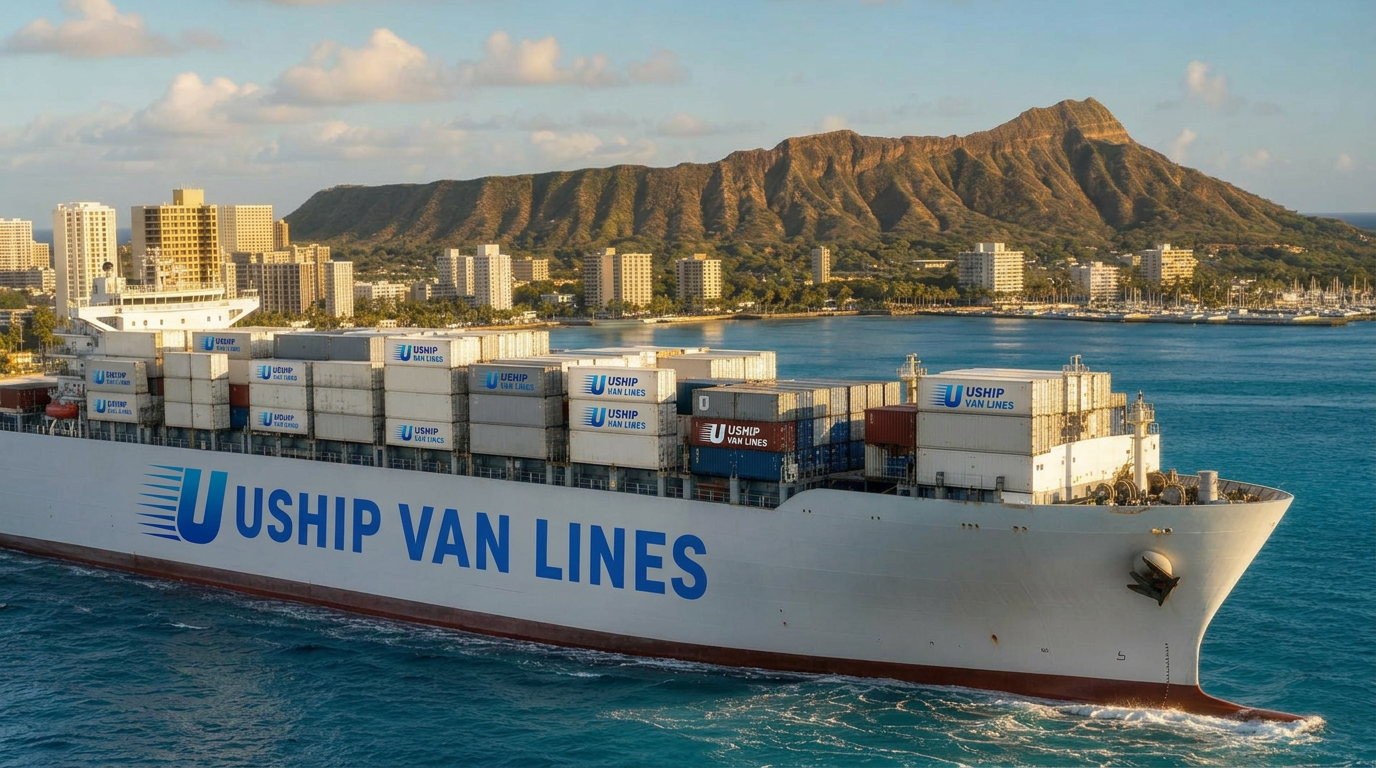
Moving from Kenosha, WI to Hawaii
Relocating from Kenosha's Lake Michigan shores to the Pacific islands requires specialized ocean container shipping expertise. Unlike typical mainland moves, your Hawaii relocation involves coordinating ground transport across the Midwest, consolidation at West Coast ports, and ocean freight to your destination island.
Best Alaska & Hawaii Movers, powered by UShip Van Lines, handles the complete logistics chain from your Kenosha doorstep to your new Hawaiian home. Our established carrier network ensures professional handling at every transition point, from Wisconsin pickup through final island delivery. Request a detailed quote today to start planning your Pacific move with confidence.
Route overview
Understanding the Kenosha to Hawaii Moving Route
Your household goods travel approximately 4,300 miles from southeastern Wisconsin to the Hawaiian Islands, combining over-the-road transport with ocean container shipping. The journey begins with pickup in Kenosha and ground transport to consolidation facilities near Los Angeles or Oakland, where your belongings are loaded into ocean containers bound for Honolulu port.
Matson Navigation and Pasha Hawaii operate the primary shipping lanes from Long Beach and Oakland to Honolulu, with weekly departures maintaining consistent service. From Honolulu, inter-island barges transport containers to Maui (Kahului), Kauai (Nawiliwili), and the Big Island (Hilo or Kawaihae) ports, adding 3–7 days to neighbor island deliveries.
The Wisconsin-to-Hawaii corridor sees consistent year-round demand, with peak seasons in May–September when families relocate between school years and military transfers concentrate. Weather impacts remain minimal on the ocean leg during most months, though hurricane season (June–November) occasionally causes brief port delays.
How the moving process works
Step-by-Step Moving Process from Kenosha to Hawaii
-
Initial survey and quote – Schedule a virtual or in-home inventory assessment of your Kenosha residence. Your coordinator will document items requiring special handling (surfboards, musical instruments, antiques) and identify prohibited items like plants, fresh foods, and certain chemicals that Hawaii agriculture regulations forbid.
-
Reservation and container assignment – Secure your moving dates 4–8 weeks in advance, especially for summer relocations. You'll receive a dedicated container allocation (shared 20-foot or exclusive 40-foot depending on volume) and a detailed timeline coordinating Wisconsin pickup with vessel sailing schedules from California ports.
-
Kenosha pickup and Midwest transport – Professional crews load your belongings in Kenosha, typically completing pickup in 4–6 hours for an average three-bedroom home. Your shipment travels 2,100 miles via I-94 and I-80 to reach Long Beach or Oakland consolidation warehouses, usually arriving within 3–5 days.
-
Container loading and port processing – At the West Coast facility, longshoremen transfer your goods into ocean containers with proper blocking, bracing, and moisture barriers. Containers undergo agricultural pre-clearance inspections and customs documentation before loading onto Hawaii-bound vessels.
-
Trans-Pacific ocean voyage – Your container sails from California to Honolulu in 5–7 days aboard roll-on/roll-off vessels or container ships. Matson and Pasha maintain climate-controlled below-deck stowage to protect household goods from salt air and temperature fluctuations during the crossing.
-
Hawaii port clearance and inter-island transport – Upon Honolulu arrival, containers clear USDA agricultural inspection and state quarantine requirements. Oahu deliveries proceed directly from the port. Neighbor island shipments transfer to Young Brothers inter-island barges, adding 3–7 days to reach Maui, Kauai, or Big Island ports.
-
Final island delivery – Local Hawaiian carriers transport your container to your new residence, coordinating delivery windows around narrow mountain roads, gated communities, and parking restrictions common in island neighborhoods. Professional crews unload and place items in designated rooms, removing packing debris afterward.
Estimated moving costs
Cost Expectations for Your Kenosha to Hawaii Move
A typical two-to-three-bedroom household moving from Kenosha to Hawaii ranges from $6,800 to $13,500 for full-service door-to-door transport. Studio and one-bedroom relocations often fall between $4,200–$7,500, while larger four-bedroom homes with garages may reach $15,000–$22,000 depending on total cubic footage.
Several cost variables significantly impact your final quote. Container utilization determines base pricing: shared containers (consolidating multiple shipments) cost less but extend timelines, while exclusive-use containers provide faster service at premium rates. Ground transport distance from Kenosha to West Coast ports represents 30–40% of total costs, with fuel surcharges adjusting quarterly based on diesel prices.
Ocean freight rates fluctuate seasonally, with May–September commanding 15–25% premiums due to peak demand and limited container availability. Neighbor island deliveries (Maui, Kauai, Big Island) add $800–$1,800 to Oahu-only pricing due to inter-island barge fees and secondary local delivery. Vehicle shipping runs separately at $1,200–$1,800 per car from West Coast ports to Hawaii, with enclosed transport from Wisconsin to California adding another $900–$1,400.
Additional cost factors include full-value insurance (recommended at 2–3% of declared shipment value), expedited service requests, oversized items like grand pianos or full gym equipment, and storage fees if your Hawaii residence isn't ready when your container arrives. Request itemized quotes comparing service levels to understand exactly what each price tier includes for your specific inventory.
Estimated transit times
Transit Timeline from Wisconsin to the Islands
Door-to-door delivery from Kenosha to Hawaii typically requires 18–35 days depending on your destination island and service level selected. This timeline breaks down into distinct legs, each with inherent variables affecting total duration.
Kenosha to West Coast consolidation (3–5 days): Ground transport across 2,100 miles via major interstate corridors rarely encounters significant delays outside severe winter weather events. Most carriers complete this leg in 3–4 days during favorable conditions.
Port processing and container loading (2–7 days): Consolidation facilities require time to accumulate sufficient volume for shared containers, inspect cargo, complete agricultural pre-clearance, and coordinate vessel loading schedules. Exclusive-use containers reduce this window to 2–3 days, while shared shipments may wait 5–7 days for optimization.
Ocean voyage to Honolulu (5–7 days): Matson and Pasha maintain consistent 5-day crossings during calm seas, with occasional 6–7 day transits when vessels make multiple port calls or encounter weather routing adjustments. Hurricane season (June–November) occasionally adds 1–2 days for storm avoidance.
Hawaii port clearance (1–3 days): USDA agricultural inspections and customs processing at Honolulu typically clear containers within 24–48 hours unless inspectors flag items requiring detailed examination or documentation corrections.
Inter-island barge transport (3–7 days for neighbor islands): Maui and Big Island deliveries add 3–5 days for Young Brothers barge schedules, while Kauai shipments often require 5–7 days due to less frequent sailing schedules. Oahu deliveries skip this leg entirely.
Final island delivery (1–3 days): Local carriers coordinate delivery appointments within 24–72 hours of container availability, depending on your location's accessibility and scheduling flexibility.
Expedited service options can compress timelines to 14–21 days by utilizing exclusive containers, priority vessel bookings, and pre-arranged delivery teams, though premium pricing applies. For the most predictable experience, allow 25–30 days and build flexibility into your Hawaii housing start date.
Regional logistics
Hawaii-Specific Moving Logistics and Requirements
Port infrastructure and container handling: Your shipment arrives at either Honolulu's Sand Island Container Terminal or Pier 51, where Matson and Pasha maintain dedicated facilities. Unlike mainland warehouses with direct truck access, island ports require specialized equipment and longshoremen trained in container handling on working docks with active commercial shipping operations. This infrastructure limits delivery appointment flexibility compared to typical mainland moves.
Agricultural inspection and prohibited items: Hawaii maintains the nation's strictest quarantine regulations to protect fragile island ecosystems. USDA inspectors examine all mainland shipments for invasive species, pests, and prohibited plants. Absolutely forbidden items include soil, fresh fruits and vegetables, houseplants (with rare permit exceptions), seeds, hay, straw, and wood products with bark attached. Pack a detailed inventory list noting wooden furniture, wicker items, and any organic materials to expedite inspection. Inspectors may require container unpacking if x-ray or canine screening flags concerns, adding 1–3 days to clearance.
Vehicle shipping considerations: Cars ship separately from household goods via roll-on/roll-off vessels departing the same California ports. Vehicles must be clean (especially wheel wells and undercarriage) to pass agricultural inspection, with fuel tanks at ¼ tank or less per maritime safety regulations. No personal items can remain in vehicles during ocean transport—everything must ship in your household goods container. Hawaii requires safety inspections and registration within 30 days of arrival, and Wisconsin license plates must be surrendered.
Inter-island logistics complexity: Neighbor island deliveries involve three separate carriers: your mainland-to-West-Coast trucker, the trans-Pacific ocean line, Young Brothers inter-island barge, and finally a local Hawaiian delivery company. Each transition point introduces potential delays, making delivery window guarantees difficult. Maui, Kauai, and Big Island locations also face accessibility challenges—narrow roads, low-clearance bridges, and weight-restricted routes may require smaller delivery trucks or shuttle services, particularly in upcountry Maui, North Shore Kauai, and remote Big Island locations.
Storage options and delivery flexibility: If your Hawaii residence isn't ready when your container clears port, warehouse storage costs $150–$400 per week depending on facility and island. Oahu offers the most storage options near the port; neighbor islands have limited climate-controlled facilities, making precise delivery coordination more critical. Container shipping schedules are less flexible than mainland truck moves—missing your delivery appointment may incur redelivery fees of $500–$1,200 depending on island and container size.
Documentation requirements: Prepare multiple copies of your shipment inventory, identification, and Hawaii proof of residency (lease or purchase agreement). Military relocations require orders and housing office documentation. Certain high-value items (jewelry, collectibles, artwork over $5,000) may require separate customs declarations and insurance riders with photographic documentation and appraisals.
Seasonal considerations
Timing Your Move: Seasonal Factors for Hawaii Relocations
Winter months (December–February) offer the most favorable pricing, with rates typically 15–20% below peak summer levels due to reduced demand. Wisconsin winter weather occasionally delays initial pickup during severe snowstorms, and you'll want to schedule carefully around holiday blackout periods when carriers limit operations. Ocean conditions remain generally calm, though occasional North Pacific storms may add 1–2 days to crossing times.
Spring transition (March–May) sees gradually increasing demand as military PCS (permanent change of station) orders begin and families plan pre-summer relocations. Early spring (March–April) still offers reasonable rates before peak pricing begins in May. This window provides excellent weather conditions for both Kenosha pickup and Hawaii delivery, with minimal storm risk on either end.
Summer peak season (June–September) brings maximum demand, premium pricing, and the longest booking lead times—often requiring 6–10 weeks advance reservation for preferred dates. Hurricane season officially begins June 1st, though direct Hawaii impacts remain statistically rare (most systems weaken before reaching the islands). Port congestion peaks in July–August, occasionally extending processing times by 2–3 days. If relocating for school-year starts, book your container by April to secure late-summer delivery slots.
Fall shoulder season (October–November) offers improving availability and moderating prices while hurricane season concludes (officially ending November 30th). This period works well for retirees and remote workers with flexible timelines. Thanksgiving week sees reduced carrier operations, so avoid shipping windows requiring delivery during that holiday period.
Regardless of season, Hawaii's USDA agricultural inspections maintain consistent requirements year-round. Plan for potential delays during agricultural pest outbreak periods when inspectors increase scrutiny on mainland shipments. Book 6–8 weeks ahead during peak seasons, 4–6 weeks during shoulder periods, and minimum 3–4 weeks even in winter for optimal carrier selection and scheduling.
Why choose Best Alaska & Hawaii Movers
Why Choose Best Alaska & Hawaii Movers for Your Kenosha to Hawaii Relocation
-
Specialized Pacific routing expertise – Unlike general moving brokers, we focus exclusively on Alaska and Hawaii relocations, maintaining established partnerships with verified ocean carriers, West Coast consolidation facilities, and licensed Hawaiian delivery operators who understand island logistics challenges.
-
Transparent, itemized pricing – Receive detailed breakdowns showing exactly what you're paying for: ground transport miles, ocean freight, port fees, inter-island barge costs, and delivery services, with no hidden surcharges appearing after booking.
-
Comprehensive coordination from Midwest to islands – One dedicated move coordinator manages your entire relocation from Kenosha pickup through final Hawaiian delivery, providing a single point of contact rather than forcing you to navigate multiple carriers across different shipment legs.
-
Real-time shipment tracking and proactive communication – Monitor your container's progress from Wisconsin warehouse through ocean transit to port clearance, with milestone notifications and immediate alerts if weather, inspections, or scheduling changes affect your delivery timeline.
-
Powered by UShip Van Lines' carrier network – Access our vetted network of licensed, insured moving professionals with verified safety records and performance histories, backed by customer protection programs that general freight brokers don't provide for household goods shipments.