
Moving from North Carolina to Hawaii
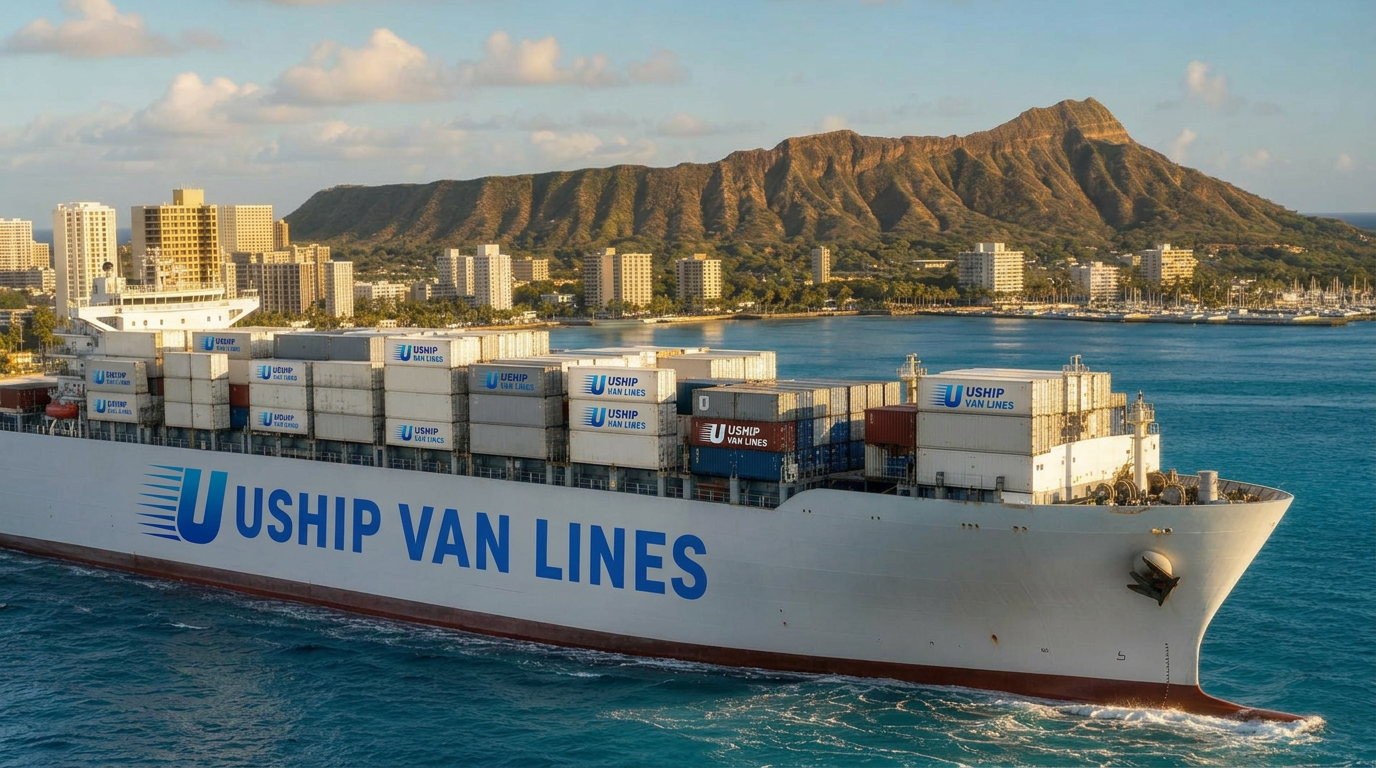
Moving from North Carolina to Hawaii means crossing the continental U.S. and then the Pacific Ocean—a complex two-stage journey that requires specialized expertise. Your household goods will travel by truck to a West Coast port (typically Long Beach or Oakland), then voyage by ocean container to Honolulu, with possible inter-island shipping if you're moving to Maui, Kauai, or the Big Island.
Best Alaska & Hawaii Movers, powered by UShip Van Lines, coordinates every leg of your North Carolina-to-Hawaii move. We connect you with carriers experienced in transcontinental ground transport and Hawaiian container shipping, so you receive transparent quotes and expert guidance from start to finish. Request your free comparison quote today to see exactly what your move will cost.
Route overview
North Carolina to Hawaii: Cross-Country Plus Ocean Transit
Your North Carolina-to-Hawaii move spans roughly 5,000 miles and involves both ground and ocean logistics. First, professional movers will load your belongings in North Carolina—whether you're leaving Charlotte, Raleigh, Asheville, or the Outer Banks—and drive them across the continental U.S. to a West Coast consolidation hub. From there, your shipment transfers to a 20-foot or 40-foot ocean container and sails aboard Matson Navigation or Pasha Hawaii vessels to Honolulu.
If your final destination is Oahu, delivery happens directly from the Honolulu port. For neighbor islands like Maui, Kauai, or the Big Island, your container makes an additional inter-island voyage via Young Brothers barge service, adding 3–7 days. This multi-modal process requires careful coordination, which is why working with a carrier experienced in Hawaii moves is essential.
Seasonal demand, port congestion, and sailing schedules all affect timing and cost. Summer months (May through September) see the highest volume of moves to Hawaii, while winter offers more flexibility and often lower rates—though winter storms on the mainland can occasionally delay the initial ground leg from North Carolina.
How the moving process works
How Your North Carolina-to-Hawaii Move Works: Step by Step
-
Request quotes and book early. Contact Best Alaska & Hawaii Movers at least 6–8 weeks before your desired move date. We'll gather details about your inventory, pickup location in North Carolina, and final Hawaii destination, then connect you with vetted carriers who provide binding or not-to-exceed estimates.
-
Pre-move survey and inventory. Your chosen mover will conduct a virtual or in-home survey to assess volume, identify items that require special handling (pianos, artwork, motorcycles), and flag any items prohibited by Hawaii's agriculture inspection laws (plants, soil, certain foods).
-
Pack and load in North Carolina. Professional movers arrive at your North Carolina home, pack (if you've selected full-service packing), and load your belongings into a long-haul truck. They'll use padding, strapping, and climate-appropriate wrapping to protect furniture during the cross-country drive.
-
Ground transit to West Coast port. Your shipment travels 2,500–3,000 miles to Long Beach or Oakland, typically taking 4–7 days depending on weather and route. At the port, your goods are transferred into a steel ocean container and sealed.
-
Ocean voyage to Honolulu. Matson or Pasha ships depart weekly, with the ocean crossing taking 5–7 days. Your container is stowed securely in the vessel's hold, protected from saltwater and weather.
-
Customs clearance and Hawaii agriculture inspection. Upon arrival in Honolulu, U.S. Customs and Hawaii Department of Agriculture inspectors clear your shipment. This process usually takes 1–2 days. Any prohibited items (uninspected plants, certain woods) will be quarantined or destroyed.
-
Final delivery (Oahu) or inter-island transfer (neighbor islands). If you're moving to Oahu, the mover delivers directly from the port to your new home. For Maui, Kauai, or the Big Island, your container boards a Young Brothers barge for an additional 3–7 days of transit before final delivery.
Estimated moving costs
What Does It Cost to Move from North Carolina to Hawaii?
A typical 2-bedroom move (approximately 5,000–7,000 pounds) from North Carolina to Oahu generally runs $6,500–$10,000, while a 3-bedroom household (8,000–10,000 pounds) can cost $9,500–$14,000. These ranges reflect the combined cost of cross-country trucking, ocean container shipping, port handling, and final delivery. Moves to neighbor islands (Maui, Kauai, Big Island) add $800–$1,800 for inter-island barge service and additional handling.
Key cost drivers include:
- Volume and weight: Hawaii shipping is typically priced by container space (shared 20-foot or dedicated 40-foot container) or cubic feet, rather than weight alone. More belongings mean higher costs.
- Packing services: Full-service packing adds $800–$2,000 but ensures proper protection for the long journey and saltwater environment.
- Vehicle shipping: Cars, motorcycles, and boats ship separately via roll-on/roll-off (RoRo) or container service, typically $1,200–$2,500 per vehicle from the West Coast to Hawaii. Your mover can coordinate this or refer you to specialized auto shippers.
- Seasonal demand: Summer moves command premium pricing due to high volume. Booking in fall or winter can save 10–20 percent.
- Storage: If your Hawaii housing isn't ready, short-term storage in Honolulu runs $150–$400 per month for a typical household.
- Insurance: Full-value protection (replacement cost) costs approximately 1–2 percent of your declared shipment value and is strongly recommended for ocean moves.
Never trust quotes that seem unusually low—unscrupulous brokers sometimes lowball to win your deposit, then add fees later. Best Alaska & Hawaii Movers connects you only with licensed, insured carriers who provide transparent, binding estimates with no hidden charges.
Estimated transit times
How Long Does a North Carolina-to-Hawaii Move Take?
Door-to-door transit from North Carolina to Oahu typically takes 14–21 days, while moves to neighbor islands require 18–28 days. Here's the breakdown:
- Pickup and loading in North Carolina: 1 day (occasionally 2 for large homes).
- Ground transit to West Coast port: 4–7 days, depending on weather, route, and whether your shipment consolidates with other loads.
- Port processing and container loading: 1–3 days at the Long Beach or Oakland terminal.
- Ocean voyage to Honolulu: 5–7 days aboard Matson or Pasha vessels, which sail weekly.
- Customs and agriculture inspection in Honolulu: 1–2 days.
- Final delivery on Oahu: Same day or next day after clearance.
- Inter-island barge to Maui, Kauai, or Big Island: Additional 3–7 days, plus 1–2 days for final delivery.
These timelines assume normal operating conditions. Peak summer season, port labor disputes, hurricanes (June–November), or winter storms on the mainland can add delays. Your mover will provide a delivery window rather than a guaranteed date. Plan to arrive in Hawaii with essentials (clothing, toiletries, important documents, medications) in your luggage, and arrange temporary housing or storage if your goods arrive after you do.
Regional logistics
Hawaii-Specific Moving Logistics from North Carolina
Ports and shipping lines: Your North Carolina shipment will route through Long Beach or Oakland, where Matson Navigation and Pasha Hawaii operate regular scheduled service to Honolulu. Matson sails twice weekly; Pasha once weekly. Your mover selects the sailing that best fits your timeline and coordinates all port paperwork.
Hawaii agriculture inspection: Hawaii enforces strict biosecurity to protect its unique ecosystem. The Hawaii Department of Agriculture inspects all incoming shipments for invasive pests, plants, soil, and certain food items. Prohibited items include most live plants, untreated wood, fresh fruits, vegetables, and meats. Your mover will provide a detailed prohibited-items list during booking. Inspectors can quarantine or destroy non-compliant goods without compensation, so pack carefully.
Vehicle shipping: Cars and motorcycles cannot ride inside your household goods container; they must ship separately via RoRo (roll-on/roll-off) auto transport. This typically costs $1,200–$1,800 from the West Coast to Honolulu. Your vehicle must be cleaned (no soil, no personal items inside) to pass agriculture inspection. Best Alaska & Hawaii Movers can coordinate vehicle shipping or refer you to trusted auto transport partners. Expect 7–14 days total for vehicle delivery after drop-off at the West Coast port.
Inter-island logistics: If your final destination is Maui, Kauai, or the Big Island, your container will transfer to a Young Brothers barge in Honolulu. Young Brothers operates on a fixed schedule (typically 2–3 sailings per week per island), so timing depends on when your container clears customs. Final delivery from the neighbor island port to your home happens within 1–2 days of barge arrival.
Last-mile delivery challenges: Hawaii's narrow roads, gated communities, and hillside locations can complicate final delivery. Confirm your new home's accessibility with your mover during the survey. If a full-size moving truck cannot reach your property, the carrier may need to shuttle your belongings via smaller vehicle, which can add time and cost. Provide detailed directions, gate codes, and parking instructions well in advance.
Storage options: If your new Hawaii home isn't ready when your shipment arrives, most movers offer short-term storage in Honolulu warehouses. This typically costs $150–$400 per month depending on volume. Storage is climate-controlled and secure, with redelivery scheduled once you're ready.
Seasonal considerations
Best Times to Move from North Carolina to Hawaii
Spring (March–May): Moderate demand and generally good weather on both ends. North Carolina temperatures are pleasant for loading, and Hawaii's pre-summer season means less port congestion. Pricing is mid-range, and carriers have good availability. This is often the sweet spot for balancing cost and convenience.
Summer (June–August): Peak moving season to Hawaii, driven by families relocating before the school year and military PCS moves. Expect premium pricing, longer lead times for booking, and potential port congestion in Honolulu. Hurricane season officially begins June 1, though major storms affecting shipping are rare. Book 8–10 weeks in advance if you must move in summer.
Fall (September–November): Demand tapers after Labor Day, bringing lower rates and more flexible scheduling. Hurricane season continues through November, but modern tracking and vessel routing minimize disruptions. North Carolina weather is still mild for loading. This is an excellent window for cost-conscious movers.
Winter (December–February): Lowest demand and best pricing, especially January–February. However, winter storms in North Carolina (ice, snow) or across the southern U.S. can delay the initial ground leg. West Coast ports and ocean crossings operate normally. If you have flexibility and can handle potential weather-related delays on the mainland, winter offers significant savings.
Regardless of season, avoid moving during major holidays (Thanksgiving, Christmas, New Year's) when both trucking and port operations slow. Hurricane season requires monitoring, but carriers maintain close contact and will reroute or delay sailings if a named storm threatens the Pacific shipping lanes.
Why choose Best Alaska & Hawaii Movers
Why Choose Best Alaska & Hawaii Movers for Your North Carolina-to-Hawaii Move
-
Specialized Hawaii expertise: We focus exclusively on moves to and from Alaska and Hawaii, so we understand the unique logistics of ocean container shipping, agriculture inspections, inter-island transfers, and last-mile delivery across the Hawaiian Islands—knowledge that general moving brokers simply don't have.
-
Vetted carrier network: Best Alaska & Hawaii Movers, powered by UShip Van Lines, connects you only with licensed, insured carriers who have proven track records on transcontinental and transpacific routes. We pre-screen for proper FMCSA registration, customer reviews, and Hawaii port experience.
-
Transparent, competitive quotes: Request one quote and compare multiple carriers side by side, all in one place. No hidden fees, no bait-and-switch tactics—just honest, binding estimates that reflect the real cost of your North Carolina-to-Hawaii move.
-
End-to-end coordination: From your initial quote request through final delivery in Hawaii, we provide guidance on packing, agriculture rules, vehicle shipping, storage, and timing. You'll have a single point of contact who tracks your shipment across every leg.
-
Customer-first service: We earn our reputation one successful move at a time. Read our reviews, ask questions, and experience the difference that specialized Hawaii moving expertise makes when you're planning a cross-ocean relocation.