
Moving from Alaska to Raleigh, NC
Relocating from Alaska to Raleigh, North Carolina, means transitioning from America's Last Frontier to the vibrant heart of the Research Triangle. Whether you're leaving Anchorage, Fairbanks, or the Mat-Su Valley for career opportunities in tech, education, or healthcare, this cross-country move requires specialized logistics that account for Alaska's unique shipping constraints and the 3,500+ mile journey to North Carolina's capital region.
Best Alaska & Hawaii Movers, powered by UShip Van Lines, coordinates every phase of your Alaska-to-Raleigh relocation—from initial barge scheduling through final delivery to your new Raleigh neighborhood. Our team handles the complex intermodal process so you can focus on settling into your new Southern home. Request your customized quote today to lock in competitive rates and secure your preferred moving dates.
Route overview
Route Overview: Alaska to Raleigh, NC
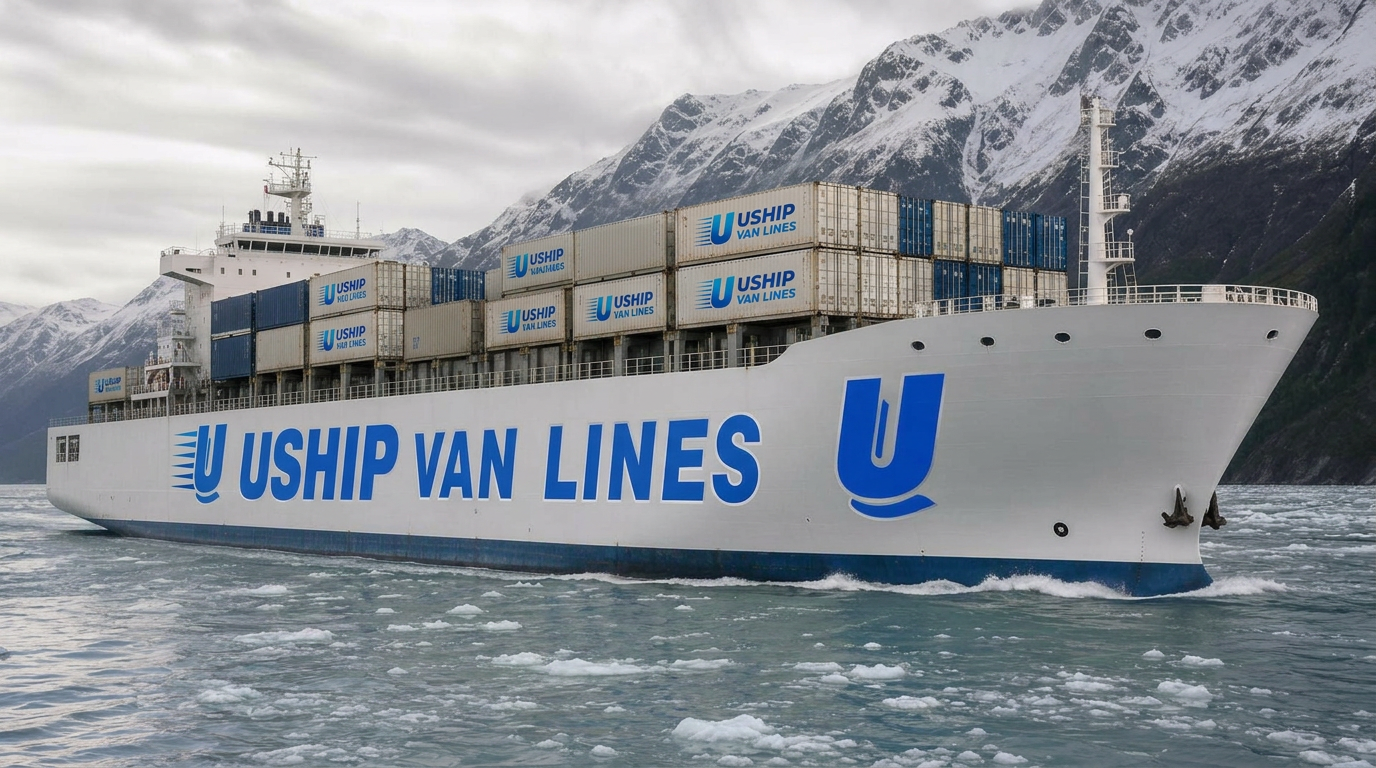
Moving from Alaska to Raleigh involves a multi-stage intermodal process that begins with barge transport from Alaskan ports to the Lower 48, typically via Tacoma or Seattle. Your household goods travel by ocean freight to the Pacific Northwest, then transfer to long-haul trucking for the transcontinental journey across the northern tier or southern routes to North Carolina's Piedmont region. The entire route covers approximately 3,500–4,000 miles depending on your specific origin and destination neighborhoods.
Raleigh sits in Wake County at the intersection of I-40 and I-440, making final delivery straightforward once your shipment reaches the East Coast. The city's relatively flat terrain and well-maintained road infrastructure contrast sharply with Alaska's challenging access conditions. Most Raleigh moves benefit from easy street access, standard truck clearances, and predictable traffic patterns—a welcome change from navigating Alaska's seasonal road closures and remote locations.
This route requires careful coordination between marine shipping schedules, trucking availability, and seasonal weather considerations at both ends. Alaska's barge schedules run less frequently during winter months, while Raleigh experiences occasional ice storms and summer heat that can affect scheduling. Planning 8–12 weeks ahead ensures optimal timing and competitive pricing for your cross-country transition.
How the moving process works
The Moving Process: Alaska to Raleigh Step-by-Step
-
Initial Survey and Quote – Your moving coordinator conducts a detailed inventory assessment, either virtually or in-home if available in your Alaska community. We evaluate your shipment volume, special handling items (firearms, fine art, outdoor equipment), and specific pickup/delivery access requirements. You'll receive a comprehensive quote reflecting barge fees, trucking costs, and timeline estimates.
-
Barge Scheduling and Reservation – We reserve space on the next available barge sailing from your nearest Alaska port (Anchorage, Whittier, or other regional ports). Barge schedules vary by season, with more frequent sailings April–October. Your shipment must arrive at the port terminal 2–5 days before sailing, and we coordinate all port delivery logistics including container loading or vehicle preparation.
-
Alaska Pickup and Port Transport – Professional movers pack and load your household goods in Alaska, typically into a 20' or 40' shipping container or as part of a consolidated load. If you're in remote areas like Kenai, Fairbanks, or Mat-Su, we arrange ground transport to the departure port. This leg accounts for Alaska's challenging road conditions and seasonal accessibility.
-
Ocean Transit to Pacific Northwest – Your container travels by barge to Tacoma or Seattle, typically requiring 5–10 days of ocean transit depending on weather and routing. The shipment clears the port, undergoes any necessary customs documentation (if applicable), and prepares for transfer to long-haul trucking.
-
Cross-Country Trucking – A dedicated or consolidated truck transports your goods from the Pacific Northwest across the United States to North Carolina. This leg covers approximately 2,800–3,000 miles and typically takes 5–8 days of transit time. Routes commonly follow I-90, I-80, or I-40 corridors depending on weather and traffic.
-
Final Delivery in Raleigh – Your shipment arrives at your Raleigh address with scheduled delivery notification. Our crew unloads, places furniture in designated rooms, and reassembles any items disassembled for transport. We conduct a final walkthrough to ensure all items arrived in expected condition and address any immediate concerns.
-
Post-Move Support – We follow up within 48 hours to confirm satisfaction and address any claims or additional service needs. Our team provides guidance on unpacking timelines, disposal of packing materials, and settling into your new North Carolina community.
Estimated moving costs
Cost Estimates for Alaska to Raleigh Moves
Moving a typical 2–3 bedroom household from Alaska to Raleigh generally ranges from $6,500 to $14,000 depending on shipment volume, services selected, and seasonal timing. A small 2-bedroom apartment (approximately 5,000–7,000 lbs) typically falls in the $6,500–$9,000 range, while a larger 3-bedroom home (10,000–12,000 lbs) commonly costs $10,000–$14,000 or more.
Key cost drivers include barge freight charges (often $2,000–$4,000 of total cost), distance from your Alaska location to the departure port, shipment weight and volume, packing service level, and seasonal demand. Summer months (May–September) see higher rates due to peak moving season in both Alaska and North Carolina. Remote Alaska locations like Fairbanks, Kenai Peninsula communities, or bush destinations add significant last-mile transport costs.
Additional expenses to budget for include full-value insurance protection (typically 1–2% of declared value), vehicle shipping if driving isn't practical (add $1,500–$3,000 per vehicle), temporary storage if delivery timing doesn't align (around $150–300/month), specialty item handling for fine art or antiques, and potential long-carry fees if Raleigh delivery locations have challenging access. We provide detailed, itemized quotes with no hidden fees—request your personalized estimate to understand exact costs for your specific move requirements.
Estimated transit times
Transit Time: Alaska to Raleigh
Door-to-door moving times from Alaska to Raleigh typically range from 18 to 35 days depending on your specific Alaska origin point, barge schedules, and delivery coordination. This timeline breaks down into several distinct phases:
Alaska pickup and port transport (2–5 days): Ground transport from your home to the departure port, with longer times for remote locations like Fairbanks (8+ hours from Anchorage) or Kenai Peninsula communities.
Barge transit to Pacific Northwest (5–10 days): Ocean freight from Alaska ports to Tacoma/Seattle. Weather, routing, and port congestion affect timing. Winter sailings may take longer due to rough seas and reduced schedules.
Port processing and truck loading (2–4 days): Container offloading, customs clearance if needed, and transfer to long-haul trucking. This intermodal handoff requires coordination between maritime and ground carriers.
Cross-country trucking (5–8 days): Transcontinental transport from Pacific Northwest to Raleigh. Direct dedicated trucks move fastest, while consolidated shipments may take longer with strategic stops.
Final delivery scheduling (1–3 days): Coordination for your Raleigh delivery appointment, typically within a 2–3 day window once your shipment reaches the region.
Plan for 4–6 weeks total transit time during peak summer season (June–August) when barge schedules are most frequent but demand is highest. Winter moves (November–March) may extend to 5–8 weeks due to limited barge sailings and weather delays. We provide real-time tracking updates throughout your shipment's journey, so you're never left guessing about arrival timing.
Regional logistics
Alaska-Specific Logistics and Considerations
Port Access and Procedures: Most Alaska moves route through the Port of Anchorage (Ted Stevens Anchorage International Airport area) or Whittier for southcentral Alaska, with Fairbanks shipments typically trucking to Anchorage first. You'll need to provide detailed inventory lists in advance for barge manifest requirements. Hazardous materials (propane tanks, ammunition, certain cleaning supplies, gasoline-powered equipment) require special declarations or cannot ship via barge. Our team handles all port documentation, terminal fees, and container loading/securing requirements.
Last-Mile Alaska Challenges: If you're located outside major population centers, ground transport to the port significantly impacts cost and timing. Fairbanks to Anchorage requires 6–8 hours of trucking on the Parks Highway. Kenai Peninsula communities add 2–4 hours. Mat-Su Valley locations like Wasilla or Palmer are more accessible but still require coordination. Remote bush locations may need air freight for immediate needs, with household goods following by barge on delayed schedules.
Vehicle Shipping Options: Many Alaska residents choose to ship vehicles rather than drive the Alaska Highway (1,400+ miles, often requiring 3–5 days and significant wear). Vehicle shipping via roll-on/roll-off (RoRo) barge service adds $1,500–$3,000 per car and consolidates with your household goods. Alternatively, drive through Canada (requires passport, proof of insurance, vehicle registration, and customs awareness) or fly and have your vehicle shipped separately.
Container vs. Consolidated Shipping: Full 20' or 40' containers offer exclusive use, faster transit, and reduced handling but cost more (economical for 3+ bedroom homes). Consolidated/shared container shipping reduces costs for smaller moves but adds 1–2 weeks for carrier consolidation. We help determine the most cost-effective approach based on your shipment size and timeline flexibility.
Raleigh Delivery Considerations: Raleigh's infrastructure is far more standard than Alaska. Most neighborhoods accommodate full-size moving trucks without issues. However, historic downtown areas, renovated mill districts, and some apartment complexes may have parking restrictions or require shuttle services. We survey delivery addresses in advance to identify any special access requirements. Wake County's relatively flat terrain means no concerns about steep grades or challenging approaches common in Alaska.
Seasonal considerations
Seasonal Considerations for Alaska to Raleigh Moves
Spring (April–May): Ideal moving window as Alaska thaws and barge schedules increase frequency. Roads become more accessible after winter, and Raleigh enjoys mild temperatures perfect for moving. Book early as demand increases rapidly. Expect moderate pricing and 3–4 week transit times.
Summer (June–August): Peak moving season with maximum barge frequency (often weekly sailings) and best weather at both ends. However, this is also the most expensive period with highest demand. Raleigh heat and humidity can be intense (90°F+), requiring climate considerations for electronics and perishables. Alaska experiences 20+ hours of daylight, facilitating extended packing days. Book 10–12 weeks ahead for summer moves.
Fall (September–October): Excellent value period with decreasing demand but still-reliable barge schedules. Alaska begins its freeze cycle, and Raleigh enjoys beautiful autumn weather. Pricing typically drops 10–15% compared to summer peaks. This window offers the best balance of availability, cost, and weather conditions.
Winter (November–March): Most challenging and slowest period. Barge schedules reduce dramatically (sometimes bi-weekly or monthly), and Alaska weather creates significant pickup challenges. However, pricing reaches annual lows with potential savings of 20–30%. Raleigh occasionally experiences ice storms that can delay final delivery. Only recommended if you have flexible timelines and want maximum cost savings. Expect 6–8 week transit times and build in buffer time for weather delays at both ends.
Alaska's extreme seasonal variations affect not just scheduling but also what you can safely ship. Winter moves require special attention to freezing risks for liquids, plants (which won't survive), and temperature-sensitive items. Summer moves must account for Alaska's brief but intense moving season when every service provider is fully booked.
Why choose Best Alaska & Hawaii Movers
Why Choose Best Alaska & Hawaii Movers for Your Alaska to Raleigh Move
-
Alaska Specialists with Proven Expertise: We focus exclusively on Alaska and Hawaii relocations, understanding the unique barge logistics, port procedures, and seasonal challenges that general movers can't match. Our team coordinates Alaska moves daily, maintaining established relationships with marine carriers, port facilities, and last-mile providers throughout the state.
-
Single-Point Coordination, Powered by UShip Van Lines: Rather than juggling multiple vendors for barge booking, trucking, and delivery, you work with one dedicated moving coordinator from quote through final delivery. UShip Van Lines' national network ensures quality standards and accountability across all service legs, while our Alaska focus provides specialized local knowledge.
-
Transparent, All-Inclusive Pricing: Your quote includes all anticipated costs—barge fees, trucking, insurance options, and standard services. We identify potential additional charges upfront (long carries, storage, specialty items) so you can budget accurately without surprise fees at delivery.
-
Real-Time Tracking and Proactive Communication: We provide tracking updates at every milestone—pickup completion, port arrival, barge departure, Pacific Northwest arrival, truck dispatch, and delivery scheduling. You'll have direct coordinator contact information for questions throughout your move.
-
Flexible Service Levels: Choose full-service packing and unpacking, partial packing for fragile items only, or cost-saving self-pack options with professional loading and transport. We accommodate various budgets and preferences while maintaining quality standards for safe Alaska-to-Raleigh transport.