
Moving from Alaska to Oklahoma City, OK
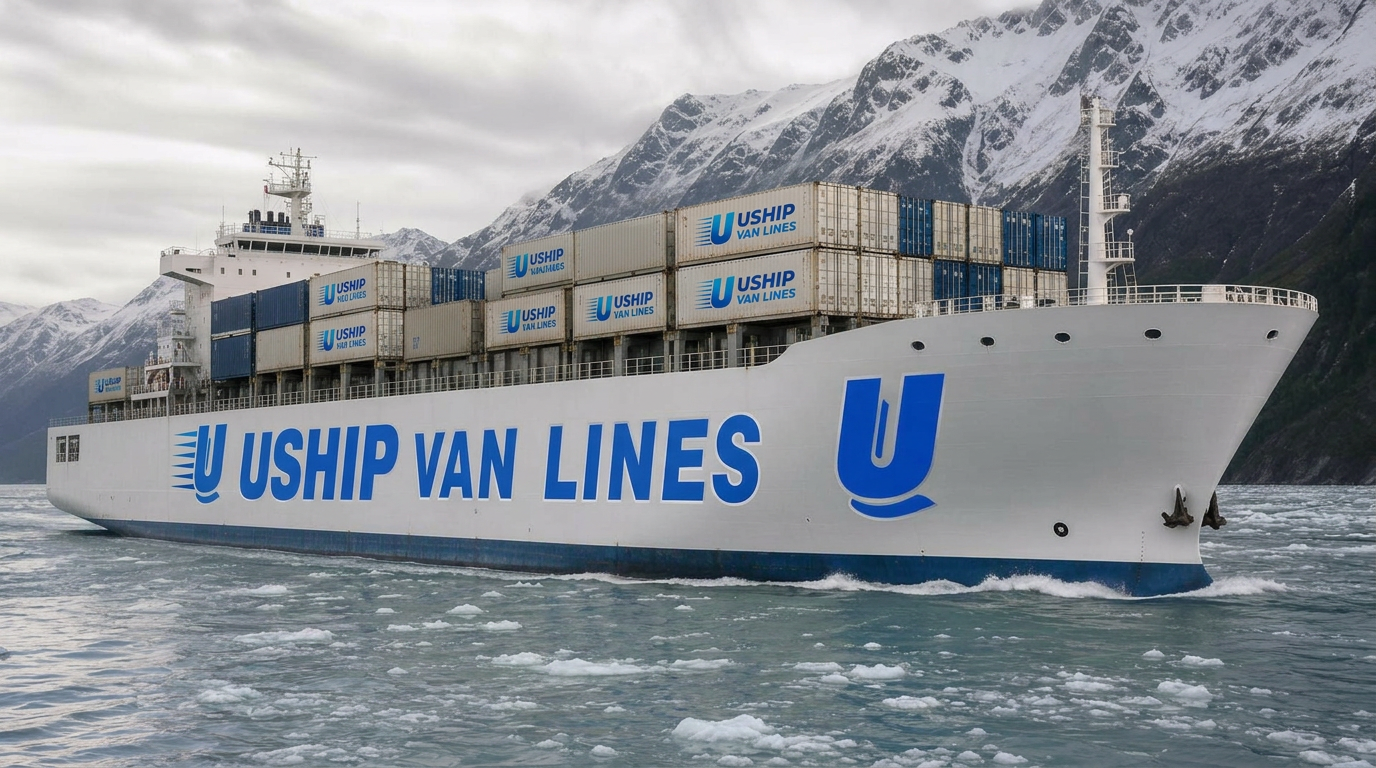
Relocating from Alaska to Oklahoma City means navigating one of the most logistically complex moving routes in the United States. Your household goods will travel by truck to the Port of Anchorage, cross the Gulf of Alaska by barge to Tacoma, then continue 1,900 miles overland through the Pacific Northwest and Great Plains to reach Oklahoma's capital city.
Best Alaska & Hawaii Movers, powered by UShip Van Lines, specializes in these multi-modal Alaska relocations. We coordinate every leg—from initial pickup in Anchorage, Fairbanks, or remote communities to final delivery in Oklahoma City—so you experience one seamless move instead of juggling multiple carriers. Request your free quote today to see how straightforward an Alaska-to-Lower 48 move can be.
Route overview
Route Overview: Alaska to Oklahoma City
The Alaska-to-Oklahoma City corridor combines marine and highway transport across approximately 3,400 total miles. Your belongings begin with ground transport from your Alaska location to the Port of Anchorage consolidation facility, where they're loaded into secure ocean containers. The barge crossing to the Port of Tacoma takes 5–7 days depending on weather and sailing schedules, with weekly departures during peak season (May–September) and bi-weekly service in winter months.
Once your container clears Tacoma customs and is unloaded, a long-haul truck carries your household goods southeast through Washington, Idaho, Utah, Colorado, and Kansas before reaching Oklahoma City. This 1,900-mile overland segment typically takes 3–5 days of dedicated transit. The route crosses diverse terrain—from Cascade mountain passes to the arid high desert of eastern Utah and the rolling plains of Kansas—requiring experienced drivers familiar with seasonal weather patterns.
Oklahoma City sits at the crossroads of I-35 and I-40, making final delivery straightforward once your shipment reaches Oklahoma. The metro area's accessible street grid and absence of coastal congestion mean precise delivery windows and fewer last-minute delays compared to larger coastal cities.
How the moving process works
Your Step-by-Step Moving Process
Step 1: Free Consultation and Detailed Inventory Your move coordinator conducts a virtual or in-person survey of your Alaska home, documenting every item from furniture to boxed goods. We'll discuss Alaska-specific considerations like fuel surcharges, seasonal timing, and whether you need storage between barge sailings. You'll receive a detailed written estimate breaking down barge fees, overland transport, and any last-mile charges for remote Alaska pickups.
Step 2: Pre-Move Preparation and Scheduling We coordinate your packing timeline around barge departure schedules, typically booking 4–6 weeks in advance during summer peak season. Professional packers can handle your entire household, or we'll deliver materials for a hybrid DIY approach. If you're moving from outside the Anchorage bowl—Fairbanks, Mat-Su Valley, Kenai Peninsula, or bush communities—we arrange the initial leg to consolidate your goods at our Anchorage staging facility.
Step 3: Alaska Pickup and Port Transport Our crew arrives on your scheduled date with proper equipment for Alaska conditions. They load your belongings, complete a detailed inventory checklist, and transport everything to the Port of Anchorage. Items are carefully loaded into weatherproof ocean containers, secured with straps and padding to handle the Gulf crossing. You'll receive container and seal numbers for tracking.
Step 4: Barge Transit to Tacoma Your container departs Anchorage on the next available barge sailing—typically weekly in summer, every 10–14 days in winter. The Gulf of Alaska crossing takes 5–7 days depending on weather. We monitor your shipment and provide updates as the barge approaches Tacoma. This marine leg adds unique considerations like tide schedules and occasional weather delays that we factor into your timeline.
Step 5: Tacoma Offload and Overland Transit Once the barge docks in Tacoma, your container is offloaded, customs-cleared (if applicable), and transferred to a long-haul truck. The driver follows I-90 east through Washington, then I-84/I-80 through Idaho and Utah, connecting to I-70 east into Colorado before dropping south on I-135 and I-35 into Oklahoma. This 1,900-mile journey takes 3–5 days of dedicated driving with required rest stops.
Step 6: Oklahoma City Delivery and Setup Your driver contacts you 24–48 hours before arrival to confirm your delivery window. Our crew unloads every item, places furniture in designated rooms, and removes all packing materials if requested. We complete a final walkthrough, verify the inventory checklist, and address any questions. You'll sign off confirming delivery, and our team ensures your Oklahoma City home is move-in ready.
Step 7: Post-Move Support Our customer service team follows up within 72 hours to ensure satisfaction and address any concerns. If you need storage in Oklahoma City while house-hunting or waiting for a closing date, we offer flexible short-term and long-term warehousing with easy delivery scheduling when you're ready.
Estimated moving costs
Moving Cost Estimates: Alaska to Oklahoma City
A typical 2-bedroom move from Alaska to Oklahoma City ranges from $6,800 to $11,500, while a 3-bedroom household generally costs $9,500 to $15,200. These estimates reflect the complete door-to-door service including Alaska pickup, barge transport, overland trucking, and Oklahoma City delivery. Actual costs depend on your specific inventory volume, service level, and timing.
Key cost drivers for this route include:
- Barge fees: Marine transport from Anchorage to Tacoma is priced per container or by cubic footage, typically $2,800–$5,200 for a standard household depending on volume and season
- Distance and fuel: The 1,900-mile overland segment from Tacoma to Oklahoma City adds significant transportation costs, especially during high fuel price periods
- Alaska pickup location: Moves from Anchorage or Wasilla cost substantially less than pickups in Fairbanks (340 miles north), Kenai Peninsula communities (130+ miles south), or bush locations requiring barge or air freight to reach the road system
- Packing services: Full-service packing for a 3-bedroom home adds $1,200–$2,400; partial packing (kitchen, fragile items, artwork) runs $400–$900
- Seasonality: Summer peak season (June–August) commands premium pricing due to high demand and constrained barge capacity; winter moves (November–March) often qualify for 10–20% discounts
- Storage: If barge schedules don't align with your Oklahoma City move-in date, short-term warehousing in Tacoma or Oklahoma City costs $150–$400 per month depending on volume
- Vehicle shipping: If you're shipping a car or truck separately, Alaska-to-Lower 48 auto transport adds $1,400–$2,400 per vehicle
- Specialty items: Oversized furniture, gun safes, pianos, hot tubs, and other large items may require custom crating and increase costs by $300–$1,200
We never publish guaranteed prices online because every Alaska move has unique variables. Request a detailed written estimate based on your actual inventory and timeline—there's no obligation, and you'll have a clear cost breakdown before committing to anything.
Estimated transit times
Transit Time: Alaska to Oklahoma City
Plan for 14 to 28 days door-to-door from your Alaska pickup to Oklahoma City delivery. This wide range reflects the multi-modal nature of Alaska moves, where barge schedules, weather, and seasonal demand all impact timing.
Transit breakdown by segment:
-
Alaska pickup to Port of Anchorage: Same-day to 3 days depending on your location. Anchorage-area pickups reach the port within hours; Fairbanks or Mat-Su Valley moves take 1–2 days; Kenai Peninsula, Kodiak, or Southeast Alaska locations may require an additional 3–7 days for barge or ferry connections to reach Anchorage consolidation.
-
Port staging and container loading: 1–4 days while we consolidate shipments and load ocean containers. During peak summer season, containers fill quickly and depart on the next scheduled sailing. Winter moves may wait up to two weeks for sufficient volume to justify a barge departure.
-
Barge transit Anchorage to Tacoma: 5–7 days on the water. The Gulf of Alaska crossing follows a predictable schedule, but storms can add 1–2 days during fall and winter. Barges typically depart weekly May through September, and every 10–14 days October through April.
-
Tacoma offload and truck loading: 2–3 days for the container to be offloaded, processed through the port, and transferred to an overland truck. No customs delays for U.S. domestic shipments, but port congestion occasionally extends this window by a day.
-
Overland transit Tacoma to Oklahoma City: 3–5 days of dedicated driving covering 1,900 miles. Trucks follow I-90 east through Washington, I-84/I-80 through Idaho and Utah, I-70 across Colorado, then I-135 and I-35 south into Oklahoma. Winter weather in mountain passes (Snoqualmie, Donner, Vail) can add 1–2 days during heavy snow events.
-
Delivery window flexibility: We'll provide a 2–3 day delivery window once your truck departs Tacoma. Most customers receive 48-hour advance notice before the crew arrives.
Planning tips: If you have a firm Oklahoma City move-in date (lease start, closing day), work backward 21–30 days to schedule your Alaska pickup. Summer moves offer tighter timelines thanks to weekly barge service; winter relocations benefit from lower costs but require more scheduling flexibility. We recommend building a 3–5 day buffer if possible, and our team will keep you updated at every milestone.
Regional logistics
Alaska-Specific Logistics & Considerations
Port Operations and Barge Scheduling All Alaska-to-Lower 48 household moves funnel through the Port of Anchorage, Alaska's primary cargo hub. Your belongings are consolidated with other shipments into 20-foot or 40-foot ocean containers, then loaded onto northbound/southbound barge services operated by carriers like Totem Ocean Trailer Express (TOTE) and Alaska Marine Lines. We coordinate directly with port schedulers to ensure your goods catch the next available sailing, and you'll receive container numbers and seal documentation for tracking. Unlike cruise ship or commercial air freight, barge schedules are weather-dependent—fall and winter storms in the Gulf of Alaska occasionally push departures back 24–48 hours.
Remote Alaska Pickups: Beyond the Road System If you're moving from communities beyond the connected road network—Southeast Alaska (Juneau, Sitka, Ketchikan), Kodiak Island, Dutch Harbor, Nome, Bethel, Kotzebue, or any bush village—your move requires an additional marine or air leg. We arrange Alaska Marine Highway ferry service or local barge connections to consolidate your household goods in Anchorage before the main southbound sailing. These remote pickups add 5–14 days to your timeline and $1,200–$4,500 to your cost depending on distance and volume. Plan early for bush moves, as small-community logistics require advance coordination with local handlers.
Vehicle Shipping from Alaska Many customers ship one or more vehicles alongside their household goods. Alaska-to-Oklahoma City auto transport typically routes through the same Tacoma gateway, with your car loaded onto a car carrier for the overland segment. Expect $1,400–$2,400 per vehicle, with 18–25 days door-to-door transit. Vehicles must be mostly empty (quarter tank of fuel maximum, no personal belongings except floor mats and spare tire), and you'll need to arrange separate registration and insurance updates for Oklahoma. We can coordinate vehicle shipping as part of your household move or refer you to specialized auto transporters if you prefer to drive one vehicle and ship others.
Paperwork and Documentation Alaska-to-Lower 48 domestic moves don't require customs clearance since you're remaining within the United States. However, you'll complete a detailed household inventory form and bill of lading at pickup. Keep copies of all moving documents, including your estimate, inventory checklist, and container seal numbers. If you're a military member or federal employee with a government-funded move, we handle the required Defense Personal Property System (DPPS) paperwork and coordinate directly with your transportation office. For DIY moves, we provide all necessary documentation and explain your insurance coverage options (released value vs. full replacement value) before loading begins.
Insurance and Valuation Coverage Standard released value coverage (60 cents per pound) is included in every move but offers minimal protection—a 50-pound TV damaged in transit yields only $30 reimbursement. We strongly recommend purchasing full replacement value protection for Alaska moves, given the extended transit, multiple transfers (truck-to-container-to-barge-to-truck), and weather exposure. Full coverage typically costs 1–2% of your declared shipment value and ensures items are repaired or replaced at current market prices. Your move coordinator will explain coverage tiers and help you choose appropriate protection for your specific inventory and risk tolerance.
Storage Solutions: Tacoma and Oklahoma City If your Alaska departure date and Oklahoma City move-in date don't align with barge schedules, we offer flexible storage at our Tacoma warehouse facility or in Oklahoma City. Climate-controlled units protect your belongings from Pacific Northwest dampness and Oklahoma heat. Storage is billed monthly, and you can schedule delivery with as little as 3–5 days notice once you're ready. This is particularly valuable for customers selling an Alaska home before their Oklahoma property is ready, or those waiting for job start dates and temporary housing to resolve.
Special Considerations for Oklahoma City Delivery Oklahoma City's accessible layout makes final delivery straightforward compared to congested coastal cities. Most residential streets accommodate full-size moving trucks without special permits. However, if you're moving into a gated community, high-rise condo, or property with restricted access, inform us early so we can arrange building-specific requirements (certificate of insurance, elevator reservations, loading dock times). Oklahoma City's relatively low cost of living and spacious homes mean many Alaska transplants are upsizing—communicate your floor plan and any tight doorways, staircases, or turns so our crew arrives prepared with appropriate equipment.
Seasonal considerations
Seasonal Moving Considerations: Alaska to Oklahoma City
Summer (May–September): Peak Season, Premium Service Summer brings the most reliable barge schedules, with weekly departures from Anchorage and faster port processing in Tacoma. Road conditions are excellent across the entire route, and delivery windows are tight and predictable. However, this is peak moving season for Alaska, so expect premium pricing and the need to book 6–8 weeks in advance to secure your preferred dates. Oklahoma City summers are hot (90–100°F July–August), so plan for climate-controlled storage if your household goods arrive before you're ready, especially for wooden furniture, electronics, and artwork sensitive to heat.
Fall (October–November): Shoulder Season Value Early fall offers a sweet spot with lower pricing as summer demand drops, while barge service remains relatively frequent (every 7–10 days). Weather is generally cooperative, though late October and November bring the first significant snowfall to Cascade and Rocky Mountain passes on the overland route. Alaska's early winter conditions are manageable for experienced movers, and Oklahoma City's mild fall weather (60–70°F) is ideal for move-in. Book 4–6 weeks ahead for best availability.
Winter (December–March): Lowest Prices, Longest Timelines Winter moves from Alaska can save 15–25% compared to peak summer pricing, but require flexibility. Barge schedules drop to every 10–14 days due to reduced demand, and Gulf of Alaska storms occasionally delay sailings by 1–3 days. Snow and ice complicate pickups in Fairbanks and Interior Alaska locations, sometimes requiring rescheduling around blizzards. The overland route faces winter weather challenges—Snoqualmie Pass (Washington), Donner Pass (California/Nevada), and Vail Pass (Colorado) all experience chain requirements and occasional closures. Oklahoma City winters are mild compared to Alaska, but ice storms occur 1–2 times per season and can delay final delivery. If you're flexible on timing and want the best value, winter is your season—just plan for a 21–30 day window.
Spring (April–May): Transition Season Spring sees increasing barge frequency as the industry ramps up for summer, making it easier to secure reasonable rates and reliable schedules. Alaska's breakup season brings muddy conditions in rural areas, but major highways are clear. Mountain passes on the overland route shed winter snow, though late-season storms can still surprise drivers in April. Oklahoma's spring severe weather season (tornado risk peaks April–May) rarely affects moves directly but can cause brief delays. Book 4–5 weeks ahead as demand builds heading into peak season.
Year-round tip: Alaska's extreme daylight variation (20+ hour days in summer, 5-hour days in winter) doesn't directly impact your move timing, but winter pickups mean our crews work in darkness or limited daylight. We come equipped with proper lighting and cold-weather gear to ensure safe, efficient loading regardless of season.
Why choose Best Alaska & Hawaii Movers
Why Choose Best Alaska & Hawaii Movers for Your Alaska-to-Oklahoma City Move
-
Alaska Logistics Expertise: We specialize exclusively in Alaska and Hawaii relocations, managing the complex barge scheduling, port coordination, and multi-modal transfers that confuse general moving companies. Our team knows the Port of Anchorage operations, seasonal weather patterns in the Gulf of Alaska, and the nuances of remote pickup logistics—experience that ensures your move stays on schedule and on budget.
-
Single-Source Accountability: Rather than juggling separate contracts with a local Alaska mover, a barge company, and a Lower 48 trucker, you work with one dedicated move coordinator from quote to delivery. We own the entire process, communicate proactively at every milestone, and solve problems before they impact your timeline. One point of contact, one bill, one team responsible for your satisfaction.
-
Powered by UShip Van Lines: Our partnership with UShip Van Lines gives us access to a vetted nationwide carrier network for the overland segment from Tacoma to Oklahoma City. This means competitive pricing, reliable capacity even during peak season, and experienced drivers who know the I-90/I-80/I-70 corridor and its seasonal challenges. You get specialized Alaska expertise backed by Lower 48 logistics muscle.
-
Transparent Pricing, No Hidden Fees: We provide detailed written estimates breaking down barge costs, overland transport, fuel surcharges, and any Alaska-specific fees before you commit. No surprise charges at delivery, no bait-and-switch tactics. If conditions change during your move (delayed barge sailing, storage needed, route adjustment), we communicate costs immediately and get your approval before proceeding.
-
Flexible Service Levels: Whether you want white-glove full-service packing and unpacking or a budget-friendly hybrid where you pack and we transport, we tailor service to your needs and budget. Military and federal employee moves receive specialized support to navigate government moving programs and maximize your entitlements. Seniors and first-time movers get extra guidance through each step of the process.
-
Real-Time Tracking and Communication: Once your shipment departs Alaska, you'll receive regular updates as it moves through each phase—barge departure from Anchorage, arrival in Tacoma, truck dispatch, and en route progress across the country. Our customer service team is available by phone, email, and text to answer questions and provide status updates. You're never left wondering where your belongings are or when they'll arrive.