
Moving from Alaska to Coral Springs, FL
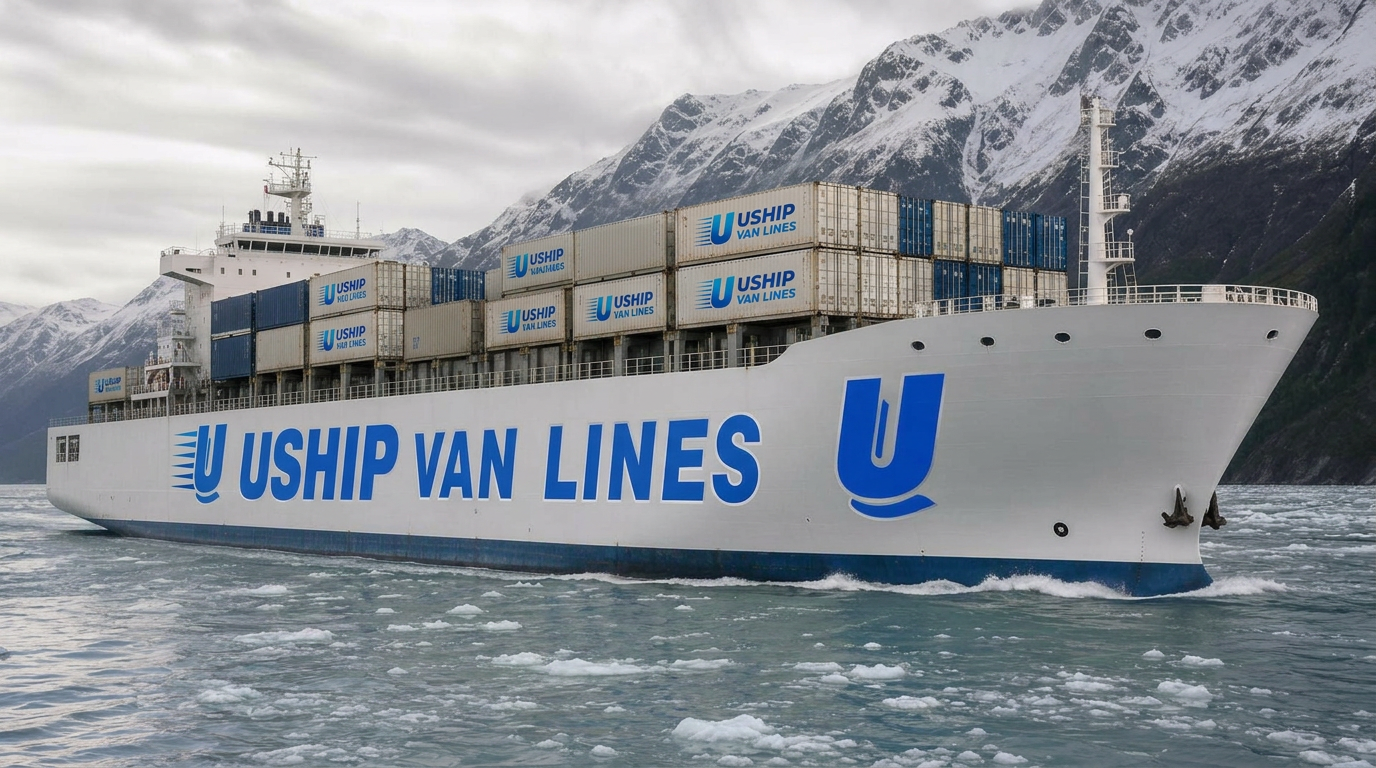
Moving from Alaska to Coral Springs, FL is one of the most logistically complex residential relocations in North America. Your belongings travel by barge from Alaska ports to the Lower 48, then cross the continent by truck to South Florida. Best Alaska & Hawaii Movers, powered by UShip Van Lines, specializes in coordinating every leg—from last-mile pickup in Anchorage, Fairbanks, Mat-Su, Kenai, or remote communities to final delivery in Coral Springs.
Whether you're drawn to Coral Springs' year-round warmth, top-rated schools, or vibrant suburban lifestyle after years in the Last Frontier, this guide covers costs, timelines, barge schedules, and seasonal strategies. Ready to simplify your cross-country transition? Request a free quote today and connect with Alaska relocation specialists who understand both the Arctic and the subtropics.
Route overview
Alaska to Coral Springs: A Transcontinental Journey by Sea and Road
The Alaska-to-Coral Springs route combines marine freight with long-haul trucking across nearly 4,500 miles. Most household goods depart from Anchorage via Totem Ocean Trailer Express or Alaska Marine Lines, sailing from the Port of Anchorage to Tacoma, WA (approximately 4–7 days at sea). From Tacoma, consolidated shipments move by truck through the Pacific Northwest, across the Rockies, through the South, and into Florida's I-95 corridor—adding another 7–10 days of overland transit.
Coral Springs sits in Broward County, about 40 miles north of Miami, known for its family-friendly parks, highly ranked schools, and golf communities. The climate shift is dramatic: you'll trade Alaska's subarctic winters for humid subtropical heat, so plan to downsize cold-weather gear and prepare belongings for Florida's humidity. Timing your move around Alaska's barge sailing schedules and Florida's hurricane season (June–November) can save weeks and protect your shipment from delays.
Best Alaska & Hawaii Movers coordinates containerized or consolidated LCL (less-than-container-load) shipping, ensures proper documentation for interstate commerce, and arranges final delivery into Coral Springs neighborhoods—whether you're headed to Eagle Trace, Cypress Glen, or along the Sawgrass Expressway.
How the moving process works
How Your Alaska-to-Coral Springs Move Works: Step by Step
-
Free In-Home or Virtual Survey
Schedule an assessment with an Alaska move coordinator who inventories your household, discusses vehicle shipping, and tailors a quote. Virtual surveys work well for remote Alaska locations. -
Book Your Barge Sailing
Reserve space on a southbound barge from Anchorage to Tacoma. Spring and summer sailings (April–September) offer more frequent departures; winter schedules are limited and weather-dependent. -
Professional Packing and Loading
Crews pack, wrap, and load your belongings into a 20' or 40' container or assign a portion of a consolidated shipment. Alaska-specific considerations include protecting electronics from temperature swings and properly sealing items against salt air. -
Marine Freight to Tacoma
Your container sails the Inside Passage and Gulf of Alaska (4–7 days), then docks in Tacoma for customs clearance and transfer to a long-haul truck. -
Cross-Country Trucking
The truck hauls your shipment southeast via I-90, I-80, or southern routes, crossing into the Southeast and down I-75 or I-95 into Florida (7–10 days, depending on season and route optimization). -
Final Delivery in Coral Springs
Your driver contacts you 24–48 hours before arrival, navigates to your new address, and unloads room by room. Inspect items, note any damage on the inventory sheet, and settle final payments. -
Vehicle Shipping (Optional Add-On)
Cars and trucks can ship on the same barge or via dedicated auto carriers. Most clients choose enclosed transport for high-value vehicles due to the long journey and Florida's salt-air coastal environment.
Estimated moving costs
What Does an Alaska-to-Coral Springs Move Cost?
A typical 2–3 bedroom household moving from Alaska to Coral Springs ranges from $8,500 to $16,000, influenced by volume, barge schedule, packing services, and season. Studio or 1-bedroom moves may start around $5,000; large 4+ bedroom homes with full packing can exceed $20,000.
Key cost drivers:
- Volume and weight: Charges are often per cubic foot or by container size (20' vs. 40').
- Barge sailing season: Peak summer rates (May–August) run 15–25% higher than shoulder or winter seasons.
- Packing services: Full-service packing adds $800–$2,500; fragile-only or partial packing costs less.
- Last-mile pickup in Alaska: Remote areas (Kenai Peninsula, Mat-Su Valley, Fairbanks, bush communities) incur extra mileage and labor fees.
- Vehicle shipping: Alaska-to-Florida auto transport adds $1,800–$3,200 per vehicle (open carrier) or $2,500–$4,500 (enclosed).
- Storage: If barge and truck schedules don't align or your Coral Springs home isn't ready, short-term warehousing in Tacoma or Florida costs $100–$250/month.
- Insurance: Full-value protection (replacement cost) is recommended for transcontinental moves; basic coverage is 60¢/lb/item.
We never guarantee prices without a detailed inventory. Request a binding estimate after your survey to lock in costs and avoid surprise fees.
Estimated transit times
How Long Does Alaska to Coral Springs Take?
Door-to-door transit typically spans 14 to 21 days, broken down by leg:
- Alaska pickup to barge departure: 1–3 days (packing, loading, drayage to Port of Anchorage).
- Barge sailing (Anchorage to Tacoma): 4–7 days, weather-dependent.
- Port processing and truck dispatch: 1–3 days (offloading, customs, container transfer).
- Overland trucking (Tacoma to Coral Springs): 7–10 days, factoring in driver hours-of-service, weather, and routing.
Variables that extend timelines:
- Winter storms: November–March barge delays and icy highways can add 3–7 days.
- Barge schedule gaps: Limited winter sailings may require waiting 1–2 weeks for the next departure.
- Consolidated shipments: LCL loads wait for full containers, adding 2–5 days versus dedicated service.
- Hurricane season (June–November): Florida-bound trucks may reroute around storms, delaying delivery by 1–3 days.
Plan for flexibility, especially if your Coral Springs lease or closing date is tight. Most movers offer storage at origin (Alaska) or destination (Florida) if timing misaligns.
Regional logistics
Alaska-Specific Moving Logistics You Need to Know
Ports and Terminals:
Most shipments originate at the Port of Anchorage (POA), served by TOTE and Alaska Marine Lines. Fairbanks and Mat-Su loads truck to Anchorage for consolidation. Kenai Peninsula pickups may route through Homer or Seward for barge connection. Bush and remote community moves often require small-plane cargo flights to a hub before barge loading.
Customs and Documentation:
Alaska-to-Lower-48 moves are domestic, so no international customs. However, carriers require detailed inventories for interstate commerce (FMCSA regulations). Expect to provide photo ID, proof of residence, and shipment declarations. Vehicle shipping requires title, registration, and lien-holder authorization if applicable.
Vehicle Shipping:
Cars, trucks, and RVs ship on the same barge (TOTE Maritime accepts drive-on/drive-off ROROs). Drain fluids to 1/4 tank, remove personal items, and document pre-existing damage with photos. Enclosed transport from Tacoma to Coral Springs protects against road debris and Florida's salt air—worth the premium for newer or classic vehicles.
Prohibited Items:
Barges and interstate trucks ban hazardous materials: propane tanks, ammunition, paint, gasoline, aerosols, and firearms (ship firearms separately via licensed carriers). Perishable food spoils over 2–3 weeks; donate or consume before packing. Florida has strict agricultural inspections—no firewood, soil, or unapproved plants.
Last-Mile Challenges in Alaska:
Winter ice, gravel roads, and remote addresses require experienced Alaska crews with proper equipment. Notify your coordinator if access requires 4WD, ferry crossings, or small-plane cargo—these add costs but are routine for Alaska specialists.
Delivery in Coral Springs:
Coral Springs has Homeowners Association (HOA) regulations in many neighborhoods (Eagle Trace, Heron Bay, Cypress Glen). Confirm move-in hours, elevator reservations (if applicable), and parking restrictions with your community manager. Large trucks may require shuttle service on narrow residential streets.
Seasonal considerations
Best Times to Move from Alaska to Coral Springs
Spring (April–May): Barge schedules ramp up after winter, ice conditions ease, and Florida humidity hasn't peaked. Good balance of availability and moderate rates. Book 6–8 weeks ahead.
Summer (June–August): Peak moving season. Frequent barge sailings and maximum truck availability, but highest prices (up to 25% premiums). Florida's heat and humidity require climate-controlled storage if delays occur. Hurricane season begins in June—track forecasts closely.
Fall (September–November): Shoulder season. Barge frequency drops slightly; Florida hurricane risk peaks (September–October). Rates decline 10–15% after Labor Day. Late November is ideal: cooler Florida weather, post-hurricane window, and Thanksgiving week discounts.
Winter (December–March): Lowest rates and least competition, but Alaska winter weather complicates pickup (ice, snow, short daylight). Barge sailings are infrequent (often biweekly). Gulf of Alaska storms can delay crossings by days. Only recommended if you have flexible timelines and can handle potential 3–4 week transits.
Pro tip: Avoid moving during PFD (Permanent Fund Dividend) payout weeks in October when Alaska demand spikes, and steer clear of Florida spring break (March) and snowbird return (April) if you need interim storage in South Florida.
Why choose Best Alaska & Hawaii Movers
Why Best Alaska & Hawaii Movers for Your Alaska-to-Coral Springs Relocation
- Alaska & Non-Contiguous Specialists: We exclusively handle Alaska and Hawaii routes, coordinating barge schedules, last-mile pickups in remote areas, and seamless handoffs to long-haul trucking—experience you won't find with standard van lines.
- Transparent Pricing, No Hidden Fees: Receive a detailed, binding estimate after your survey. We itemize barge costs, trucking, packing, insurance, and any last-mile surcharges so you know exactly what you're paying.
- End-to-End Coordination: One point of contact manages your entire move from Anchorage (or Fairbanks, Kenai, Mat-Su) to Coral Springs. We track your shipment in real time and proactively communicate delays due to weather or schedule changes.
- Flexible Storage Solutions: Need to store household goods in Tacoma while you finalize your Coral Springs home? We offer secure, climate-controlled warehousing at competitive rates with easy release scheduling.
- Vehicle Shipping Expertise: Bundle your car or truck with your household goods on the same barge, then choose open or enclosed transport for the cross-country leg—streamlined logistics, competitive bundled pricing.
- Powered by UShip Van Lines: Our network connects you to vetted, licensed carriers with proven records on transcontinental routes, backed by comprehensive cargo insurance and responsive claims support.