
Moving from Wisconsin to Alaska
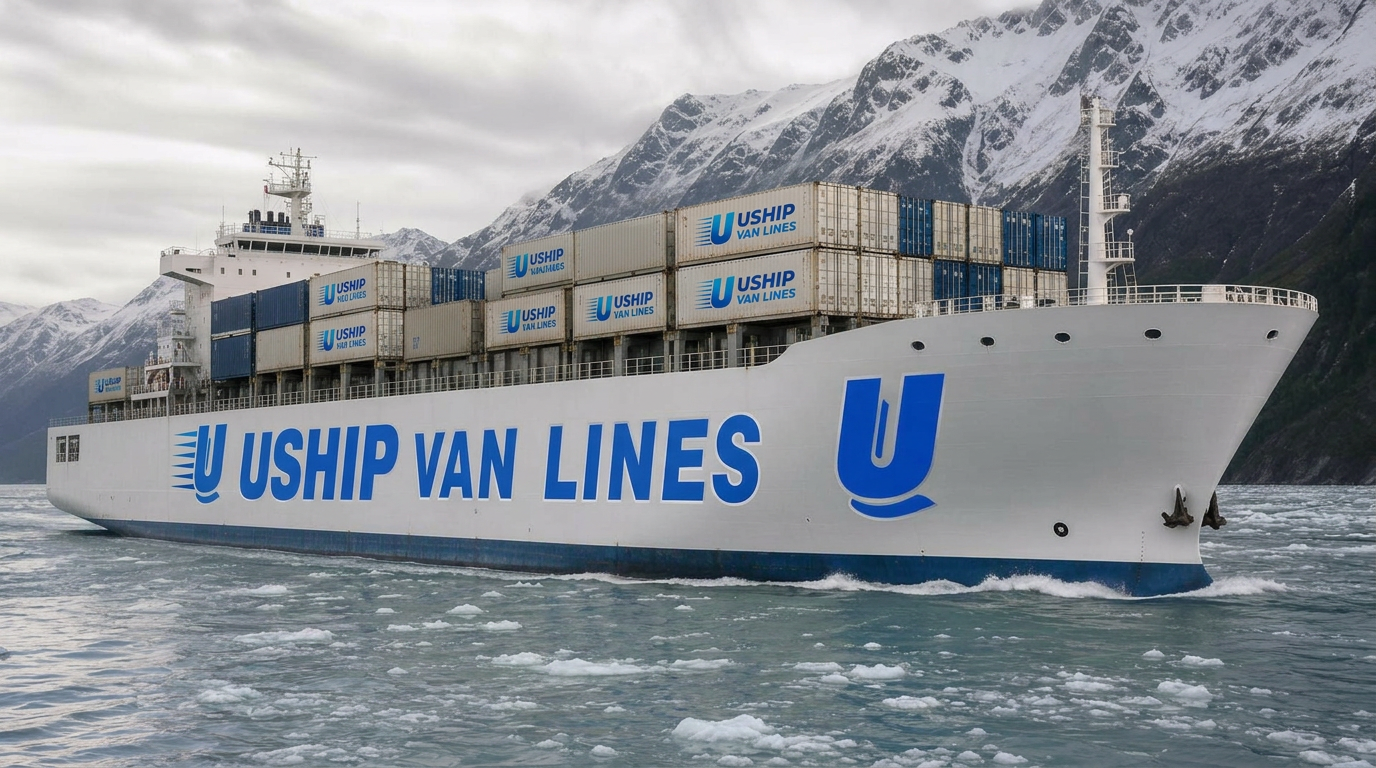
Moving from Wisconsin to Alaska means swapping the Great Lakes for the Last Frontier—a journey that requires careful planning and specialized logistics. This isn't a simple cross-country haul; your belongings travel by truck to the Pacific Northwest, then by barge across the Gulf of Alaska before final delivery to your new home in Anchorage, Fairbanks, or beyond.
Best Alaska & Hawaii Movers, powered by UShip Van Lines, coordinates every leg of this complex route. From your Wisconsin pickup through Seattle-area port consolidation to final delivery at your Alaska doorstep, we manage the details so you don't have to. Ready to start planning? Request a detailed quote tailored to your move timeline and household size.
Route overview
How Wisconsin to Alaska Moves Work
Your household goods begin with a pickup anywhere in Wisconsin—Milwaukee, Madison, Green Bay, or rural communities. A long-haul truck carries your shipment approximately 1,800–2,200 miles west to the Tacoma/Seattle port area, where containers are staged for Alaska Marine Highway System or commercial barge service. The ocean leg crosses 1,400+ nautical miles to the Port of Anchorage, typically taking 7–10 days depending on weather and sailing schedules.
Once your container clears customs and port handling in Anchorage, local Alaska carriers complete the final delivery. If you're moving to Fairbanks (another 360 miles north), the Mat-Su Valley, Kenai Peninsula, or off-road-system communities, expect additional transit time and specialized last-mile logistics. Total door-to-door timelines range from 14–28 days, with summer sailings offering the most predictable schedules.
This route requires coordination across multiple transportation modes, customs documentation for Alaska (a non-contiguous state with unique agricultural inspection rules), and careful timing around barge sailing schedules that vary by season. Working with a broker experienced in Alaska logistics eliminates guesswork and costly delays.
How the moving process works
Step-by-Step: Wisconsin to Alaska Moving Process
-
Free consultation and quote (45–60 days before move date): Contact Best Alaska & Hawaii Movers for a virtual or in-home survey. We assess your inventory, discuss timing preferences, and provide a detailed estimate covering truck transport, barge fees, port handling, and Alaska delivery.
-
Book your sailing and reserve truck capacity (30–45 days out): Alaska barges run on fixed schedules, with 2–4 sailings per week in summer and reduced service in winter. We reserve your container slot and coordinate Wisconsin pickup to align with the next available sailing window.
-
Pre-move preparation and packing (2–3 weeks before pickup): Purge items you won't need in Alaska (heavy winter gear stays, but summer-only recreation equipment may not be worth the cost). Professional packing is highly recommended for fragile items that will endure truck vibration and ocean swells.
-
Wisconsin pickup and over-the-road transport (Days 1–5): A moving crew loads your household into a 20-foot or 40-foot container at your Wisconsin home. The loaded container travels by truck to Tacoma, where it's staged at the port facility and inspected for barge loading.
-
Barge transit to Anchorage (Days 6–15): Your container sails from Tacoma to the Port of Anchorage. Ocean transit takes 7–10 days under normal conditions; winter storms or Coast Guard inspections can add 1–3 days. Containers are secured on deck or below deck depending on cargo mix.
-
Port clearance and customs (Days 16–18): Alaska requires agricultural inspection for certain items (soil, firewood, uncleaned outdoor gear). Your shipment clears U.S. Customs (Alaska is a domestic destination, but port protocols apply) and port authority handling before release to local carriers.
-
Final delivery in Alaska (Days 17–28): A local Alaska moving crew delivers your container to your new address. If you're outside the Anchorage Bowl—Fairbanks, Wasilla/Palmer, Soldotna, or bush locations accessible only by air—expect additional transit time and potentially higher last-mile costs.
Estimated moving costs
What Does a Wisconsin to Alaska Move Cost?
A typical 2-bedroom household (approximately 5,000–7,000 pounds) moving from Wisconsin to Anchorage costs $6,500–$10,500, while a 3-bedroom home (8,000–12,000 pounds) ranges $9,500–$15,000. These estimates include over-the-road trucking from Wisconsin, port handling in Tacoma, barge freight, port fees in Anchorage, and local delivery within the Anchorage area.
Key cost drivers:
- Volume and weight: Barge pricing is based on container size (20-foot or 40-foot) or cubic footage. Heavier shipments incur additional surcharges.
- Destination beyond Anchorage: Fairbanks delivery adds $800–$1,500; Mat-Su Valley $400–$800; Kenai Peninsula $600–$1,200. Bush communities requiring air freight or barge-plus-bush plane can double total costs.
- Packing services: Professional full-pack adds $1,200–$2,500 depending on home size. Alaska moves benefit from expert packing due to the ocean leg.
- Vehicle shipping: Adding a car to the same barge costs $1,800–$2,800 (Tacoma to Anchorage). Vehicles must be clean (no soil) and operable.
- Storage: If your Alaska housing isn't ready, Anchorage-area storage runs $150–$300/month for a 10×10 unit; climate control recommended for electronics and furniture.
- Seasonal demand: Summer (May–September) is peak moving season to Alaska. Expect 15–25% higher rates and limited container availability. Winter moves (November–March) offer lower prices but fewer sailings and weather risk.
We never guarantee prices without a detailed inventory and move date. Request a custom quote to understand your specific costs, including any special handling for firearms, valuable collections, or oversized items.
Estimated transit times
How Long Does Wisconsin to Alaska Moving Take?
Plan for 14–28 days door-to-door from Wisconsin pickup to Alaska delivery. Here's the breakdown:
- Wisconsin to Tacoma (truck): 4–6 days, depending on your Wisconsin pickup location and driver hours-of-service regulations.
- Port staging and barge loading: 1–3 days. Containers must arrive at the port 48–72 hours before sailing for inspection, documentation, and loading.
- Ocean transit (Tacoma to Anchorage): 7–10 days under normal conditions. The Alaska Marine Highway and commercial carriers operate on published schedules, but weather, Coast Guard inspections, or mechanical issues can add 1–3 days.
- Port clearance in Anchorage: 1–2 days for customs, agricultural inspection, and offloading.
- Final delivery: Same-day to 5 days, depending on destination. Anchorage Bowl deliveries happen within 24–48 hours of port release. Fairbanks adds 2–3 days; off-road-system communities require advance coordination.
Summer moves (May–September) offer the most predictable timelines with frequent sailings and good weather. Winter moves (November–March) face reduced barge schedules (sometimes only 1–2 sailings per week), ice delays in Prince William Sound, and road closures due to avalanches or whiteout conditions on the Seward or Parks Highways. Spring breakup (April–early May) creates muddy, impassable roads in rural Alaska, making delivery difficult.
If you have a firm Alaska start date—job, school, or housing lease—book your move 6–8 weeks in advance and plan to arrive with essentials in luggage. Your household goods will follow on the next available sailing.
Regional logistics
Alaska Moving Logistics: Ports, Paperwork, Vehicles & Last-Mile Delivery
Ports and consolidation: Wisconsin shipments consolidate at the Port of Tacoma (preferred) or Seattle. Containers are staged, inspected, and loaded onto Alaska Marine Highway System ferries or Totem Ocean Trailer Express (TOTE) barges. The Port of Anchorage is the primary destination, with occasional service to Whittier (then trucked to Anchorage) or Southeast Alaska ports (Juneau, Ketchikan) for specific routes.
Customs and agricultural inspection: Alaska is part of the U.S., so no international customs apply. However, USDA/Alaska Department of Natural Resources inspects shipments for invasive species. Prohibited/restricted items: soil, firewood, uncleaned gardening tools, live plants (most species), certain seeds. Clean outdoor gear (hiking boots, bikes, lawnmowers) thoroughly or risk rejection and cleaning fees ($150–$400).
Vehicle shipping: You can ship one or more vehicles on the same barge as your household goods. Cars must be empty (no personal items), clean (no dirt, especially undercarriage), and operable (or declared inoperable with fees). Cost: $1,800–$2,800 per vehicle, Tacoma to Anchorage. Motorcycles, ATVs, and boats also ship but require special documentation.
Container types: Most Wisconsin to Alaska moves use 20-foot containers (1–2 bedrooms, up to 8,000 lbs) or 40-foot containers (3+ bedrooms, up to 20,000 lbs). Some carriers offer shared/consolidated containers if you have a small load, but exclusive use is safer for fragile items.
Last-mile Alaska delivery: Anchorage, Eagle River, and Girdwood are straightforward. Fairbanks requires 6–8 hours of additional trucking on the Parks Highway (360 miles). Mat-Su Valley (Wasilla, Palmer) adds 1–2 hours. Kenai Peninsula (Soldotna, Homer) requires 2.5–4 hours on the Seward/Sterling Highways. Off-road-system communities (Bethel, Nome, Barrow, Kodiak, Dutch Harbor) require barge-to-barge transfer or air freight at significant additional cost—consult us early for feasibility and pricing.
Storage options: If your Alaska home isn't ready, we can arrange storage in Anchorage. Climate-controlled units ($200–$350/month) are recommended; unheated units risk condensation and mold due to Alaska's temperature swings.
Seasonal considerations
Best Time to Move from Wisconsin to Alaska (and What to Expect Year-Round)
Summer (May–September): Peak moving season. Barge sailings run 3–4 times per week, weather is predictable, and Alaska roads are fully accessible. Expect the highest prices (15–25% premium over winter) and limited container availability—book 8–10 weeks ahead. Pros: fast, reliable transit. Cons: expensive, competitive.
Fall (October–November): Shoulder season with moderate pricing and good availability. Barge schedules start to thin (2–3 sailings per week). Early snow can hit Alaska mountain passes by late October, but roads remain open. This is an excellent window for cost-conscious movers with flexible timelines.
Winter (December–March): Off-peak with the lowest prices (10–20% below summer). Barge sailings drop to 1–2 per week, and storms in the Gulf of Alaska can delay crossings by 2–5 days. Interior Alaska sees -20°F to -40°F temps; last-mile delivery requires winterized trucks and experienced drivers. Only recommended if you're already in Alaska and can store items until spring if needed.
Spring breakup (April–early May): The trickiest season. Melting snow creates mud, frost heaves, and road closures. The Dalton Highway, Parks Highway shoulders, and rural routes become impassable. Barge schedules increase, but delivery delays are common. Unless you're moving to Anchorage or a paved-access community, delay until late May.
Alaska-specific weather notes: Even in summer, ocean swells can reach 10–15 feet in the Gulf of Alaska. Containers are secured but items inside must be packed to withstand movement. Wisconsin movers may not understand this; work with an Alaska-experienced broker who ensures proper container loading and bracing.
Why choose Best Alaska & Hawaii Movers
Why Best Alaska & Hawaii Movers for Your Wisconsin to Alaska Move
- Alaska barge expertise: We coordinate multiple sailings per week and understand port protocols, container loading for ocean swells, and Alaska agricultural inspections—eliminating costly delays and rejected shipments.
- Transparent, all-inclusive quotes: Our estimates cover every leg—Wisconsin pickup, over-the-road trucking, Tacoma port fees, barge freight, Anchorage port handling, and Alaska delivery. No surprise charges for "barge fuel surcharges" discovered mid-move.
- Powered by UShip Van Lines' nationwide network: We leverage vetted carriers for the Wisconsin-to-Tacoma leg and trusted Alaska partners for final delivery, ensuring accountability and service quality at every handoff.
- Vehicle and household goods on one shipment: Consolidate your car and belongings on the same barge sailing, saving coordination hassle and potentially lowering per-item costs.
- Flexible scheduling around your timeline: Whether you need a rush summer move or a cost-optimized winter shipment, we work backward from your Alaska arrival date to book the right sailing and truck pickup window.