
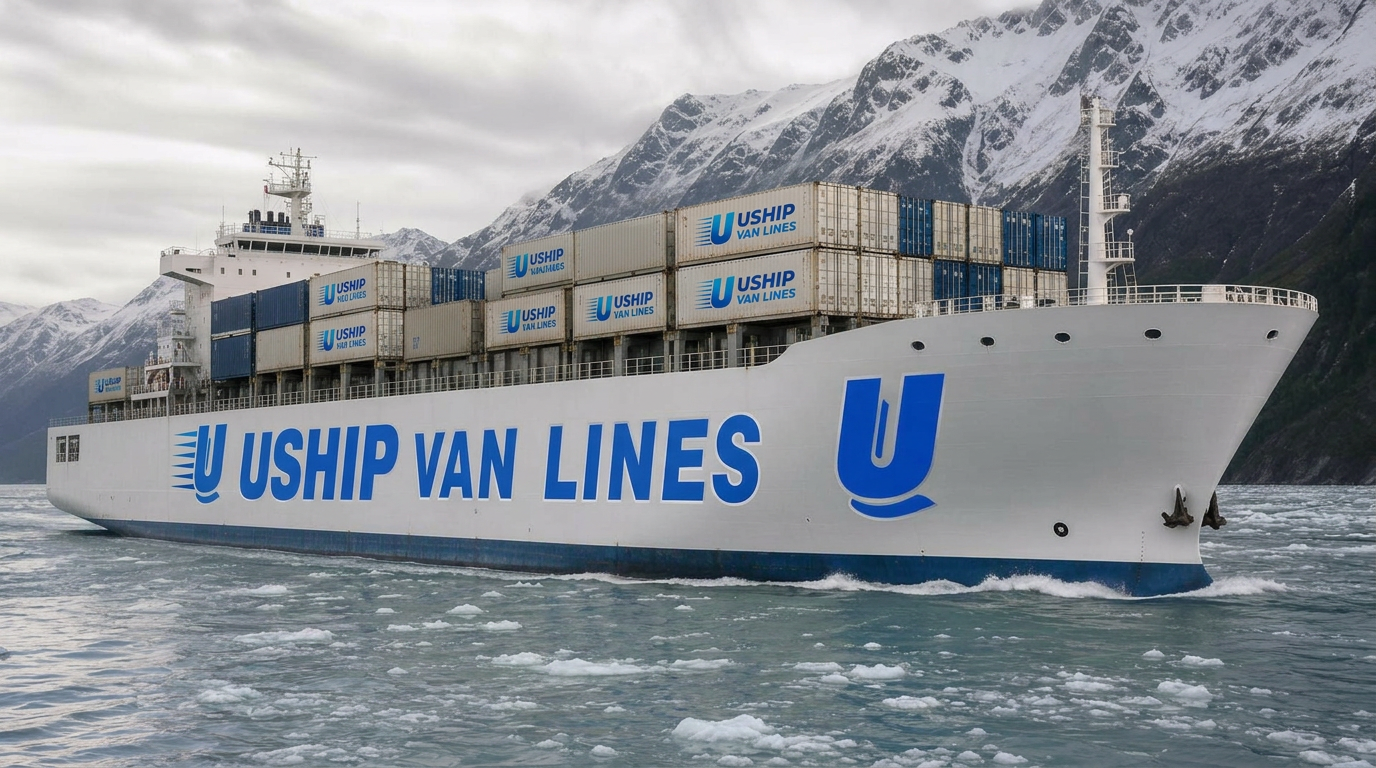
Moving from Reno, NV to Alaska
Relocating from Reno's high desert to Alaska's vast frontier involves more than just packing boxes. Your household goods will travel overland from Nevada to the Pacific Northwest, then by ocean barge to Alaska ports, and finally to your new home in Anchorage, Fairbanks, the Mat-Su Valley, or beyond. This unique moving lane combines long-haul trucking, marine freight, and Alaska-specific last-mile logistics.
Best Alaska & Hawaii Movers, powered by UShip Van Lines, specializes in exactly this type of complex interstate-to-Alaska transition. We coordinate every leg—ground transport from Reno, barge consolidation through Tacoma or Seattle, port handling in Anchorage, and final delivery across Alaska's road-accessible and remote communities. Ready to plan your move north? Request a free quote tailored to your route, timeline, and household size.
Route overview
How the Reno to Alaska Route Works
Your belongings begin their journey with overland pickup in Reno, traveling approximately 800–900 miles northwest to consolidation hubs near Tacoma or Seattle. This first leg typically takes 2–3 days, where your goods are carefully transferred into ocean-ready containers and staged for the next marine departure.
From the Port of Tacoma, container barges depart weekly (in peak season) or bi-weekly (winter) for the 1,500-nautical-mile voyage to the Port of Anchorage. Sailing time is 5–7 days depending on weather and stops. Once cleared through Alaska customs and port operations, containers are trucked to Anchorage-area warehouses or directly to your destination—whether that's a downtown condo, a Mat-Su homestead, a Fairbanks subdivision, or a Kenai Peninsula property.
This multi-modal route is the standard for all household moves into Alaska from the Lower 48. Understanding each handoff point helps you plan realistic timelines and avoid common first-timer mistakes like underestimating port delays or seasonal cutoffs.
How the moving process works
The Step-by-Step Moving Process from Reno to Alaska
-
Request a Quote and Book Early – Contact Best Alaska & Hawaii Movers with your move date, home size, and Alaska destination. Alaska moves require 4–8 weeks advance booking in summer, 2–4 weeks in winter. We'll provide a binding or not-to-exceed estimate based on weight and services.
-
Pre-Move Planning and Inventory – Schedule a virtual or in-home survey. Identify items that cannot ship (hazardous materials, perishables, propane, ammunition). Decide whether to ship vehicles separately or include them in the container. Confirm insurance coverage and valuation options.
-
Pickup and Overland Transport to Pacific Northwest – Our crew loads your household in Reno, securing everything for the 800+ mile drive to Tacoma/Seattle. Goods are inventoried, labeled, and transported in enclosed trucks. Transit to the port takes 2–3 days.
-
Container Loading and Barge Departure – Your shipment is consolidated into 20' or 40' ocean containers at the port warehouse. Containers are sealed, documented, and loaded onto the next available Alaska Marine Lines or Totem Ocean barge. Departure schedules vary by season; your coordinator confirms exact sailing dates.
-
Ocean Voyage to Port of Anchorage – The barge sails north through the Inside Passage and Gulf of Alaska, arriving in Anchorage 5–7 days later. Rough winter seas can add 1–2 days; summer sailings are typically on schedule.
-
Port Clearance and Alaska-Side Handling – Containers are offloaded, cleared by U.S. Customs (if applicable for international add-ons), and transferred to Alaska-based trucking partners. Port dwell time is typically 1–3 days, longer during July–August peak or if inspections are required.
-
Final Delivery to Your Alaska Home – Our Alaska delivery team schedules your delivery window and brings your goods to Anchorage, Fairbanks, Wasilla, Soldotna, or other road-accessible towns. Remote or off-road locations may require smaller trucks, freight forwarding, or even air charter for bush communities. Unloading, placement, and debris removal are included in full-service moves.
Estimated moving costs
What Does a Reno to Alaska Move Cost?
A typical 2-bedroom household (5,000–7,000 lbs) moving from Reno to Anchorage generally ranges from $6,500 to $10,500, while a 3-bedroom home (9,000–12,000 lbs) runs $10,000 to $16,000. These estimates include overland pickup, barge freight, port handling, and delivery within the Anchorage bowl or Mat-Su Valley. Final costs depend on actual weight, service level, seasonality, and destination accessibility.
Key cost drivers include:
- Weight and volume – Alaska moves are priced primarily by weight (per hundred pounds) plus container space. Downsizing before the move saves substantially.
- Seasonality – Summer (May–September) sees higher demand and often higher rates; winter moves can be 10–20% cheaper but come with weather risks and fewer barge sailings.
- Destination within Alaska – Anchorage and Mat-Su deliveries are straightforward; Fairbanks adds 350+ miles of trucking; Kenai, Homer, and Kodiak require additional ferry or barge legs; bush communities require air freight or seasonal barge.
- Packing and services – Full-service packing (materials, labor, unpacking) adds $1,500–$3,500. Self-packing (you box, we transport) reduces labor costs but increases risk if items aren't packed to ocean-freight standards.
- Vehicle shipping – Cars and trucks ship separately via the same barges. Expect $1,200–$2,200 per vehicle Reno to Anchorage, depending on size and sailing.
- Insurance and valuation – Basic carrier liability is $0.60/lb; full-value replacement protection costs 1–3% of declared value and is highly recommended for Alaska's multi-modal route.
We never guarantee prices without a formal survey. Every move is unique, and Alaska logistics demand customized quoting. Request your personalized estimate to see exactly what your Reno-to-Alaska transition will cost.
Estimated transit times
How Long Does the Move Take?
Door-to-door transit from Reno to Anchorage typically takes 14 to 28 days, though total elapsed time from booking to delivery often stretches to 4–8 weeks when you factor in scheduling, barge departure windows, and delivery coordination.
Breakdown by leg:
- Reno pickup to Tacoma port staging: 2–3 days overland
- Port staging and container loading: 1–5 days, depending on barge schedule and consolidation timing
- Barge sailing (Tacoma to Anchorage): 5–7 days on the water
- Port clearance and offload in Anchorage: 1–3 days
- Final delivery from Anchorage warehouse to your home: 1–7 days, depending on destination and scheduling
Variables that affect timing:
- Barge frequency – Weekly sailings in summer; bi-weekly or less in winter.
- Weather – Gulf of Alaska storms in fall/winter can delay sailings by 1–3 days.
- Peak season congestion – July and August see the highest volume; port and delivery scheduling can stretch by a week.
- Remote destinations – Fairbanks, Kenai, Homer, and off-road locations add 3–10 days for secondary trucking or barge connections.
For time-sensitive moves, we recommend booking 6–8 weeks out in summer and planning for a 3-week minimum total timeline. Flexibility on delivery windows helps us optimize routing and reduce costs.
Regional logistics
Alaska-Specific Logistics You Need to Know
Ports and Barge Operations: Nearly all Lower 48–Alaska household moves route through the Port of Tacoma (occasionally Seattle) and deliver into the Port of Anchorage. Alaska Marine Lines and Totem Ocean Trailer Express are the primary barge carriers. Your goods share space with commercial freight, vehicles, and other household shipments in consolidated containers. Port dwell times, customs inspections (rare for domestic-only moves), and offloading schedules are beyond mover control—build buffer time into your plans.
Vehicle Shipping: Cars, trucks, and SUVs ship separately via roll-on/roll-off (RoRo) barge service or inside containers if space permits. Vehicles must be cleaned (Alaska requires undercarriage wash to prevent invasive species), nearly empty of personal items (1/4 tank gas max), and properly documented. Expect $1,200–$2,200 per vehicle Reno to Anchorage. Motorcycles, ATVs, and boats require special handling and pricing.
Last-Mile Delivery Challenges: Anchorage, Wasilla, Palmer, and Eagle River are straightforward. Fairbanks requires 350+ miles of additional trucking on the Parks Highway (year-round accessible). Kenai Peninsula towns (Soldotna, Homer, Seward) need ferry or additional barge from Anchorage. Kodiak, Unalaska, and Southeast Alaska communities (Juneau, Ketchikan, Sitka) are barge-only with no road connection. Bush villages require air freight or seasonal barge—expensive and logistically complex. Confirm your exact delivery location when quoting.
Restricted and Prohibited Items: Alaska and barge carriers prohibit hazardous materials (paint, cleaners, aerosols, propane, ammunition), perishables, and flammable liquids. Consolidate or dispose of these in Reno. Firearms must be declared, unloaded, and packed per federal guidelines. Houseplants face USDA restrictions; many Alaskans leave them behind. Frozen foods require specialized reefer containers (not standard household service).
Paperwork and Documentation: Domestic Reno-to-Alaska moves don't require customs clearance, but you'll receive a bill of lading, inventory list, and barge booking confirmation. Keep these accessible. If you're shipping from outside the U.S. or bringing items purchased abroad, customs and duties apply. Your coordinator will guide you through required forms.
Seasonal considerations
Seasonal Moving Considerations for Reno to Alaska
Spring (March–May): Barge schedules ramp up from reduced winter frequency to weekly departures by late April. Rates begin to climb as Alaskans return from winter in the Lower 48 and new residents move for summer jobs. Snow lingers in Fairbanks and rural areas through April, but Anchorage and Mat-Su roads are generally clear by mid-March. This is a sweet spot for avoiding peak pricing while getting reliable service.
Summer (June–August): Peak moving season. Barge sailings are weekly, sometimes twice-weekly. Demand is highest, so rates reach annual peaks and booking windows shrink to 6–8 weeks or more. Weather is optimal—long daylight, calm seas, dry roads. Ideal for families moving before the school year, but expect port congestion and premium pricing. Book early and confirm delivery windows well in advance.
Fall (September–November): Barge frequency begins to taper in October. Rates soften slightly, and availability improves. Fall storms in the Gulf of Alaska can cause 1–3 day sailing delays. Snow arrives in Fairbanks by late September, Anchorage by mid-October. This is a good shoulder season if you're flexible and prepared for early winter weather on the Alaska end.
Winter (December–February): Lowest barge frequency (often bi-weekly or monthly for some routes) and lowest rates. Gulf storms are frequent and intense, adding unpredictability to sailing schedules. Overland travel in Alaska can be hazardous; some rural roads close or require winter tires and chains. Winter moves are feasible and cost-effective but require patience, flexibility, and realistic expectations about delays. Not recommended for remote or off-road destinations.
Why choose Best Alaska & Hawaii Movers
Why Choose Best Alaska & Hawaii Movers (Powered by UShip Van Lines)
-
Alaska Specialists, Not Generalists – We focus exclusively on moves to and from Alaska and Hawaii. Our teams understand barge schedules, port logistics, Alaska weather, and the unique challenges of getting your household across 1,500 nautical miles of ocean and onto remote roads or bush communities.
-
Transparent, Customized Quoting – We provide detailed, itemized estimates based on your actual inventory, service needs, and destination. No surprise fees, no hidden barge surcharges. You'll know what you're paying for and why.
-
Experienced Alaska-Side Delivery Partners – Our Anchorage-based delivery partners know Alaska roads, weather, and communities. Whether you're moving to a downtown condo or a rural homestead, we have the trucks, equipment, and local knowledge to get your goods there safely.
-
Comprehensive Service Options – Choose full-service packing and white-glove delivery, or self-pack and save. Add vehicle shipping, short- or long-term storage in Tacoma or Anchorage, and flexible delivery windows to match your timeline.
-
Dedicated Move Coordination – From your first quote request to final delivery, a single coordinator manages your move, tracking every leg and keeping you informed. You'll have a direct contact who knows your shipment and can answer questions in real time.