
Moving from Oakland, CA to Alaska
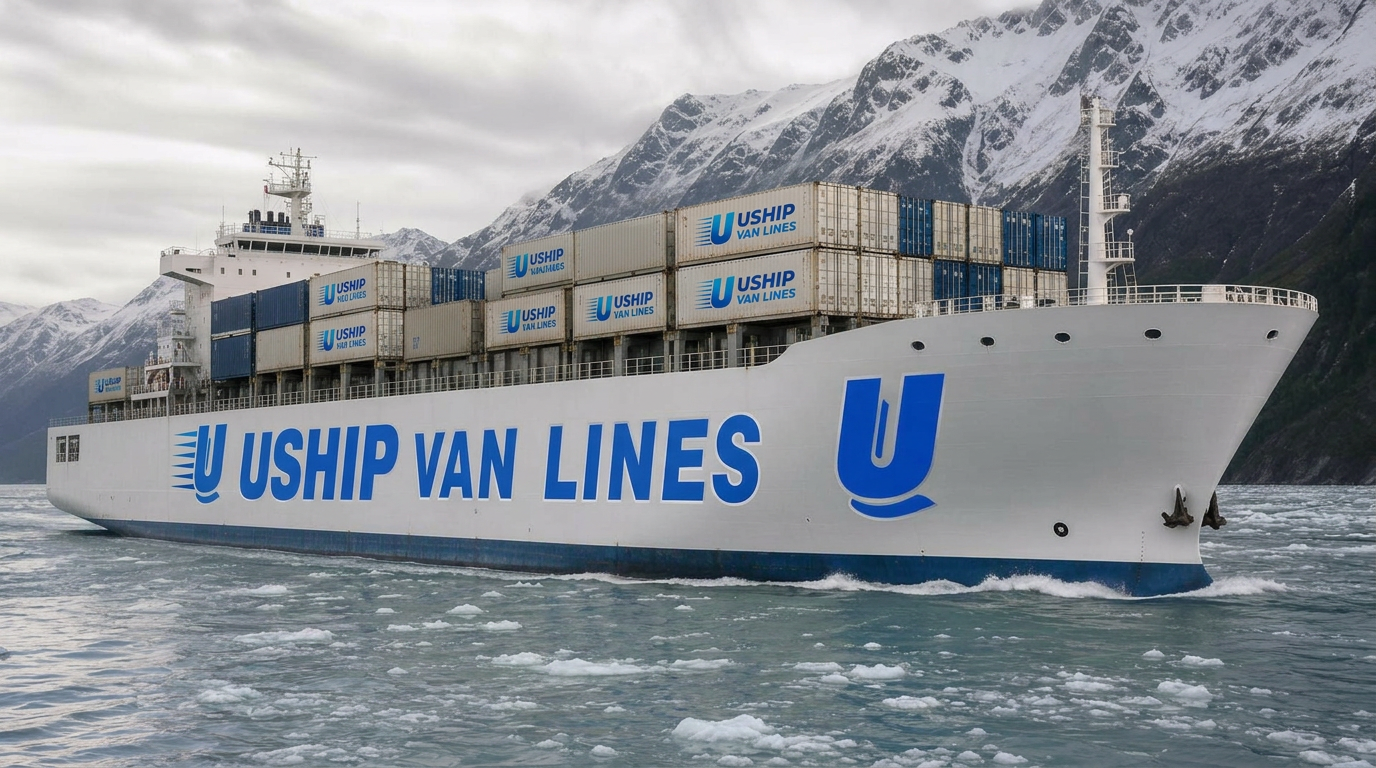
Moving from Oakland to Alaska means transitioning from Bay Area urban living to one of America's last frontiers. Whether you're headed to Anchorage for career opportunities, the Mat-Su Valley for acreage, Fairbanks for university work, or the Kenai Peninsula for fishing and outdoor life, your household goods will travel by truck from Oakland to the Port of Tacoma, cross nearly 1,500 nautical miles by barge to Alaska, and complete the journey via ground transportation to your final destination.
This route requires specialized knowledge of maritime shipping schedules, Alaska's unique logistical challenges, and seasonal weather patterns that affect both transit times and costs. Best Alaska & Hawaii Movers connects you with carriers experienced in the Oakland-to-Alaska corridor, handling everything from container booking to last-mile delivery across Alaska's diverse terrain. Ready to start planning your move north? Request a detailed quote tailored to your timeline and destination.
Route overview
How the Oakland to Alaska Moving Route Works
Your belongings begin their journey with pickup in Oakland or anywhere in the East Bay, then travel north via Interstate 80 and Interstate 5 to the Port of Tacoma, Washington—the primary staging point for Alaska-bound freight. At Tacoma, your goods are loaded into steel shipping containers (typically 20-foot or 40-foot units) and placed aboard commercial barges operated by carriers like TOTE Maritime Alaska or Alaska Marine Lines.
The marine leg covers approximately 1,460 nautical miles through the Inside Passage and Gulf of Alaska, arriving at the Port of Anchorage. From there, containers are offloaded and transferred to trucks for delivery throughout Southcentral Alaska (Anchorage, Eagle River, Wasilla, Palmer, Soldotna) or loaded onto additional trucks for Interior destinations like Fairbanks, Delta Junction, or North Pole. The entire door-to-door journey typically requires 10–21 days depending on barge schedules, your specific Alaska destination, and the season.
This route differs significantly from Lower 48 moves. There are no direct highways from California to Alaska that bypass Canada, and the Alaska Highway through Canada introduces customs complexity and mileage costs that make barge shipping the standard for household goods. Understanding barge sailing schedules, Alaska's limited road network, and seasonal variables is essential for accurate planning.
How the moving process works
Step-by-Step: Moving Your Household from Oakland to Alaska
-
Request Quotes 6–8 Weeks in Advance — Alaska moves require coordination with barge sailing schedules, which typically run weekly in summer and less frequently in winter. Contact Best Alaska & Hawaii Movers early to lock in your preferred timeline and receive accurate cost estimates based on your inventory and destination.
-
Schedule Your Oakland Pickup — Professional movers arrive at your Oakland residence, conduct a walkthrough, and load your belongings onto a truck. Items are inventoried, wrapped, and secured for the initial ground leg to Tacoma. Same-day or next-day departure to the port is standard.
-
Container Loading at Port of Tacoma — Your goods are transferred into a sealed shipping container at the port facility. Containers are packed efficiently, often consolidated with other shipments unless you book an exclusive container. The container is staged for the next available barge sailing to Anchorage.
-
Barge Transit Through the Inside Passage — The marine leg takes 5–7 days under normal conditions. Barges sail north through Puget Sound, up the British Columbia coast via the protected Inside Passage, then across the Gulf of Alaska to Cook Inlet and the Port of Anchorage. Weather delays are possible, especially September through April.
-
Anchorage Port Offloading and Customs Clearance — Containers are offloaded at the Port of Anchorage and processed through any necessary inspections. While no international customs apply for domestic U.S. moves, Alaska has agricultural restrictions on certain plants and soil. Processing typically adds 1–2 days.
-
Ground Delivery to Your Final Alaska Destination — Your container is loaded onto a truck for the final leg. Anchorage-area deliveries happen quickly; Fairbanks adds 6–8 hours of driving via the Parks Highway; Kenai Peninsula destinations require 2–4 hours south; and more remote areas may require additional coordination or smaller shuttle trucks.
-
Unpacking and Inspection — Movers deliver your container to your new home, unload items into the rooms you specify, and provide you with inventory sheets to verify everything arrived. Inspect for any damage and document immediately for insurance claims if needed.
Estimated moving costs
What Does It Cost to Move from Oakland to Alaska?
A typical 2-bedroom apartment move from Oakland to Anchorage ranges from $5,800 to $9,200, while a 3-bedroom home averages $8,500 to $13,500. Larger 4-bedroom homes or moves to more distant Alaska locations (Fairbanks, Kenai, Kodiak Island, or Southeast Alaska communities) can reach $12,000 to $18,000+. These estimates include ground transportation from Oakland to Tacoma, container shipping via barge, port handling fees, and ground delivery in Alaska.
Key cost drivers include:
- Total volume/weight — Charges are typically calculated per cubic foot or per container. A 20-foot container holds roughly 1,000–1,200 cubic feet; a 40-foot container holds 2,200–2,400 cubic feet. Exclusive container use costs more than shared/consolidated space.
- Barge sailing season — Summer sailings (May through September) see higher demand and premium rates. Off-season moves (October through April) may offer 10–20% lower base rates but face potential weather delays.
- Alaska destination distance from Anchorage — Deliveries within Anchorage/Mat-Su cost less; Fairbanks adds $800–$1,500; Kenai/Soldotna adds $500–$900; bush communities requiring air freight or barge connections add significantly more.
- Packing services — Professional packing for a 2-bedroom home adds $600–$1,200; a 3-bedroom home adds $1,000–$1,800. Self-packing saves money but increases risk of damage claims.
- Vehicle shipping — Cars, trucks, and motorcycles ship separately, typically in roll-on/roll-off (RoRo) container space. Expect $1,200–$2,000 per vehicle from Tacoma to Anchorage.
- Storage — If your Alaska housing isn't ready, short-term storage in Anchorage warehouses costs $150–$350/month for a typical household.
All quotes should be provided in writing with clear breakdowns of line items. Never accept estimates without understanding what's included and what triggers additional charges.
Estimated transit times
How Long Does the Oakland to Alaska Move Take?
Door-to-door transit from Oakland to Anchorage typically requires 10–16 days under normal summer conditions. Fairbanks and Interior Alaska destinations add 1–3 days; Kenai Peninsula deliveries are similar to Anchorage timelines; and Southeast Alaska or remote bush locations can extend the timeline to 21–30 days depending on connections.
Breakdown by leg:
- Oakland to Port of Tacoma (ground): 1–2 days (approximately 800 miles via I-5)
- Container staging and barge loading: 1–3 days, depending on sailing schedule
- Barge transit Tacoma to Anchorage: 5–7 days via Inside Passage and Gulf of Alaska
- Port offloading and processing in Anchorage: 1–2 days
- Final ground delivery within Alaska: Same day for Anchorage metro; 1–2 days for Fairbanks, Kenai, or Palmer
Winter moves (November through March) face higher risk of weather delays. Storms in the Gulf of Alaska can delay barge arrivals by 1–3 days. Snowstorms on the Parks Highway between Anchorage and Fairbanks can delay final delivery by 1–2 days. Budget an extra 3–5 days of cushion if moving during winter months, and arrange temporary lodging or storage flexibility accordingly.
Regional logistics
Alaska-Specific Moving Logistics You Need to Know
Barge ports and schedules: All Oakland-to-Alaska household goods ship through the Port of Tacoma to the Port of Anchorage. TOTE Maritime Alaska and Alaska Marine Lines are the primary carriers. Sailings are scheduled but not daily—confirm your booking aligns with available departures. Missed barge connections can delay your entire move by 7–14 days.
Vehicle shipping: Cars and trucks ship separately from household goods, typically via RoRo container service from Tacoma. Vehicles must be clean (no mud or debris due to Alaska agricultural inspections), less than ¼ tank of fuel, and empty of personal items except floor mats and a spare tire. Expect 10–14 days Tacoma to Anchorage. Alternatively, some customers drive the Alaska Highway through Canada, a 3,500-mile journey requiring 6–8 days and Canadian entry compliance.
Alaska agricultural restrictions: Alaska prohibits entry of soil, certain houseplants, and seeds that could carry pests or disease. Empty and clean all potted plants; some may be rejected at the Port of Anchorage. Christmas trees and untreated firewood are also restricted. Review Alaska Department of Natural Resources guidelines before packing.
Remote and bush destinations: If you're moving to Bethel, Nome, Kotzebue, Kodiak Island, or Southeast Alaska communities not on the road system (Juneau, Sitchka, Ketchikan), your container will require an additional barge or air freight connection from Anchorage. These moves add 1–3 weeks and significant cost ($2,000–$5,000+ extra). Plan accordingly and communicate your exact destination clearly when requesting quotes.
Weather and road conditions: The Parks Highway (Anchorage to Fairbanks) is well-maintained but subject to winter closures during severe storms. The Glenn Highway to Palmer/Wasilla and Seward Highway to the Kenai Peninsula are similarly reliable but require winter driving conditions. Movers use experienced Alaska drivers, but delays of 1–2 days are possible November through March.
Insurance and valuation: Standard carrier liability covers $0.60 per pound per item—insufficient for valuable belongings. Purchase full-value replacement insurance, typically costing 1–2% of your shipment's declared value. Marine transit adds risk of water damage; ensure your policy covers ocean transport explicitly.
Seasonal considerations
Best Times to Move from Oakland to Alaska
Summer (May through September) is peak moving season. Barge schedules are most frequent (often weekly sailings), weather is stable in the Gulf of Alaska, and Alaska's road network is fully accessible. Ground delivery to Fairbanks, the Kenai Peninsula, and rural areas is straightforward. Expect premium pricing—book 6–8 weeks in advance to secure space. This is ideal for families moving before the school year or professionals starting jobs in Alaska's busy summer season.
Fall (October and November) sees declining demand and potential cost savings of 10–15%. Barge schedules reduce to every 10–14 days, and early winter storms can begin affecting Gulf crossings by late November. Fairbanks-area deliveries face increasing snow and cold but remain reliable through October. Book 4–6 weeks ahead. Good option for cost-conscious movers with flexible timelines.
Winter (December through March) offers the lowest rates, often 15–20% below summer peaks, but comes with significant trade-offs. Barge sailings are least frequent (sometimes every 2–3 weeks), and Gulf of Alaska storms routinely cause delays. The Parks Highway to Fairbanks requires winter driving expertise and can close temporarily during severe weather. Anchorage-area deliveries remain feasible, but remote destinations become challenging. Only recommended if you have flexible arrival dates and Alaska housing already secured.
Spring (April) brings transitional conditions. Rates begin climbing toward summer levels, barge frequency increases, and weather improves. Breakup season (when frozen ground thaws) can make some rural Alaska roads temporarily impassable, but mainline highways remain clear. Book 5–6 weeks ahead. Excellent compromise between cost and reliability for those avoiding peak summer rates.
Why choose Best Alaska & Hawaii Movers
Why Choose Best Alaska & Hawaii Movers for Your Oakland to Alaska Move
-
Alaska barge logistics expertise — We work exclusively with carriers experienced in Tacoma-to-Anchorage shipping, ensuring your goods are routed on reliable sailings and handled by professionals who understand Alaska's unique requirements.
-
Transparent, all-inclusive quotes — Our estimates cover every leg of the journey: Oakland pickup, ground transport to Tacoma, container fees, barge shipping, port handling, and final delivery in Alaska. No surprise charges, no hidden fuel surcharges after booking.
-
Powered by UShip Van Lines infrastructure — Best Alaska & Hawaii Movers leverages UShip Van Lines' nationwide carrier network, vetted provider standards, and customer support systems to deliver reliable service and accountability throughout your move.
-
Flexible scheduling around barge sailings — We coordinate your Oakland pickup with confirmed barge departure dates, minimizing staging time in Tacoma and ensuring your goods move on the most efficient sailing for your timeline.
-
End-to-end move coordination — From your initial quote request through final delivery in Anchorage, Fairbanks, or beyond, you have a single point of contact tracking your shipment, communicating delays, and resolving any issues that arise on this complex route.