
Moving from Myrtle Beach, SC to Alaska
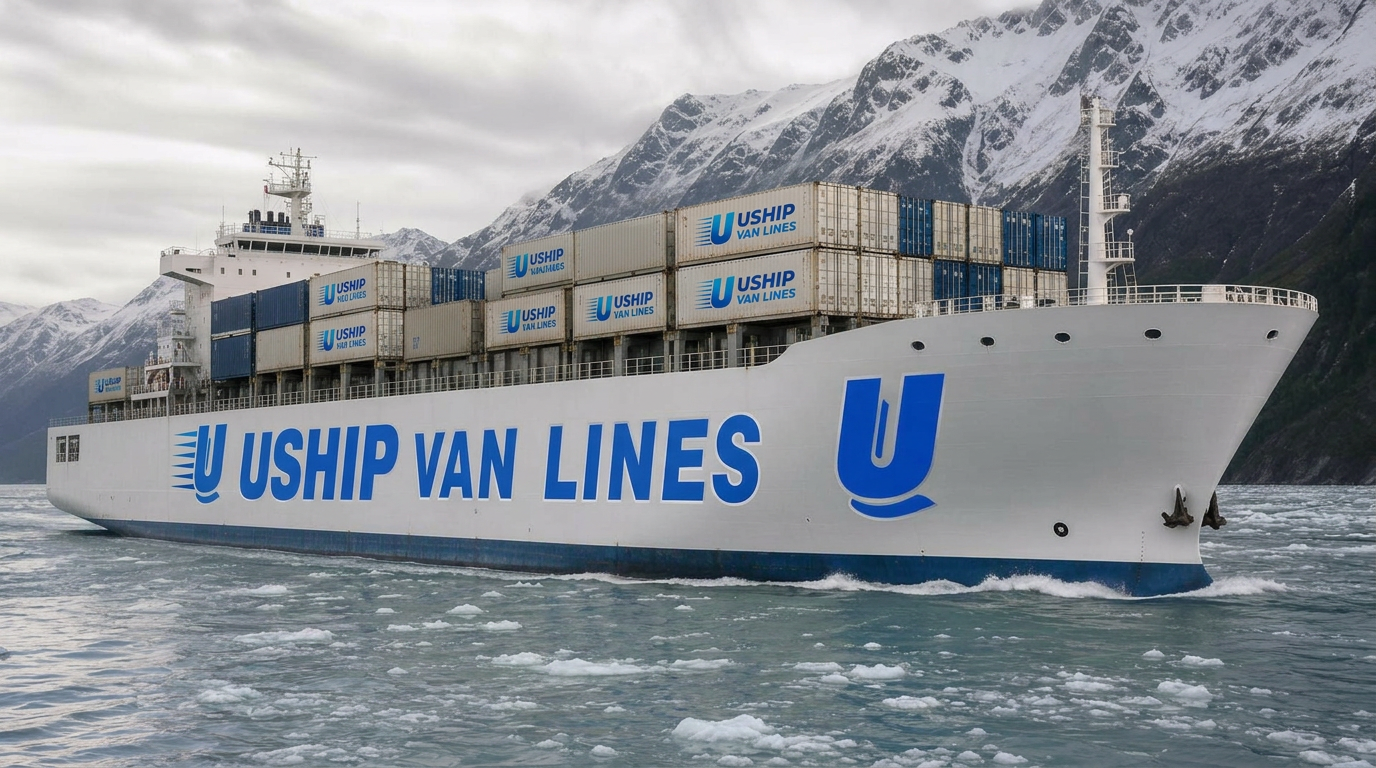
Moving from Myrtle Beach's Atlantic coastline to Alaska's frontier wilderness requires specialized long-distance logistics and oceanic freight expertise. This 4,000+ mile journey combines overland trucking through the Lower 48, barge shipping via the Port of Tacoma, and final delivery across Alaska's challenging terrain — from Anchorage's urban center to Fairbanks' interior or even remote bush communities.
Best Alaska & Hawaii Movers, powered by UShip Van Lines, coordinates every phase of your Myrtle Beach-to-Alaska relocation. Our network manages temperature-controlled containerization, marine transit scheduling, Alaska Highway routing, and last-mile delivery to destinations most carriers won't service. Request your free quote today to start planning your cross-continental move with confidence.
Route overview
Your Myrtle Beach to Alaska Moving Route
The Myrtle Beach to Alaska corridor is one of the most logistically complex residential moves in North America. Your household goods travel approximately 3,200 miles overland from South Carolina's Grand Strand to the Port of Tacoma, Washington, then cross 1,400 nautical miles of North Pacific waters aboard Alaska Marine Lines or TOTE Maritime barges to the Port of Anchorage. From there, deliveries branch to Anchorage metro, the Mat-Su Valley (Wasilla/Palmer), the Kenai Peninsula, Fairbanks via the Parks Highway, or fly-in communities requiring air freight.
This route demands expertise in both continental trucking regulations and maritime shipping protocols. Your belongings transition through three distinct climate zones — humid subtropical South Carolina, temperate Pacific Northwest, and subarctic Alaska — requiring proper moisture barriers, furniture padding, and containerization. Timing coordination is critical: barge sailings from Tacoma occur 1–2 times weekly during peak season (May–September) but reduce to weekly or less during winter months.
Most Myrtle Beach-to-Alaska moves serve military families relocating to Joint Base Elmendorf-Richardson, professionals in Alaska's oil/gas or tourism sectors, or retirees pursuing the Last Frontier lifestyle. The reverse snowbird pattern is less common than Hawaii routes, but year-round service availability ensures flexibility for job transfers, family relocations, or lifestyle changes regardless of season.
How the moving process works
How Your Myrtle Beach to Alaska Move Works
-
Free Virtual or In-Home Survey – We assess your inventory via video walkthrough or on-site visit in Myrtle Beach, identifying items requiring special handling (firearms, taxidermy, vehicles) and calculating accurate cubic footage for containerization and cost estimation.
-
Customized Moving Plan & Quote – You receive a detailed timeline covering pickup windows, Tacoma barge departure dates, Anchorage arrival estimates, and final delivery schedule, plus transparent cost breakdown for packing materials, labor, trucking, ocean freight, and Alaska last-mile delivery.
-
Professional Packing & Loading (Myrtle Beach) – Experienced crews use marine-grade packing materials, moisture-resistant wrapping, and reinforced containerization to protect your belongings during the 7–10 day overland haul through varying climates and the subsequent ocean voyage.
-
Overland Transit to Port of Tacoma – Your shipment travels I-20 west to I-30, then I-40 through Tennessee, Oklahoma, and the Southwest, picking up I-5 north through California, Oregon, and Washington — typically 6–9 days depending on weather and crew rest compliance.
-
Container Loading & Barge Departure – At Tacoma, your goods are staged, loaded into 20' or 40' marine containers (shared or exclusive depending on shipment size), secured with dunnage, and boarded onto the next available Alaska barge sailing — advance booking essential during summer peak.
-
Ocean Voyage to Anchorage – The 1,400-nautical-mile Inside Passage and Gulf of Alaska crossing takes 4–7 days depending on weather, routing (some barges call at Whittier, Kodiak, or other ports first), and vessel speed — your shipment remains secure in closed containers throughout.
-
Alaska Delivery & Unpacking – After Port of Anchorage customs clearance (if applicable), local crews transport your container to your new residence, unload, place furniture, and remove packing debris — rural deliveries to Fairbanks, Kenai, or off-road-system communities require additional logistics and may involve freight forwarding or air charter for final mile.
Estimated moving costs
What Does Moving from Myrtle Beach to Alaska Cost?
A typical 2–3 bedroom household (8,000–12,000 lbs) moving from Myrtle Beach to Anchorage generally ranges between $8,500–$14,500 for full-service door-to-door relocation. Studio and 1-bedroom moves often fall in the $5,500–$8,000 range, while larger 4-bedroom homes with 15,000+ lbs can exceed $18,000–$24,000. These estimates include professional packing, overland trucking, barge freight, and standard delivery within the Anchorage bowl.
Key cost factors for this route:
- Shipment weight and volume – Alaska freight is priced per pound/cubic foot, so downsizing before the move yields significant savings
- Packing services – Full-pack adds $1,200–$2,500 depending on home size; fragile-only or DIY packing reduces costs
- Barge season – Peak summer sailings (June–August) command premium pricing; shoulder seasons (April–May, September–October) offer better rates
- Final destination – Anchorage/Mat-Su deliveries are straightforward; Fairbanks adds $1,500–$2,800 for Parks Highway transport; Kenai Peninsula, Kodiak, or bush destinations require custom quotes
- Vehicle shipping – Adding a car/truck to the same barge costs $1,200–$1,800 Tacoma-to-Anchorage, far cheaper than driving the Alaska Highway
- Storage – If your Alaska housing isn't ready, Anchorage-area storage runs $150–$300/month for typical household volumes
- Insurance coverage – Basic liability is included; full-value protection adds 1–2% of declared shipment value
We never advertise guaranteed flat rates for routes this complex — every move is custom-priced based on actual inventory, services selected, and current barge/trucking availability. Request your personalized quote to get accurate numbers for your specific situation.
Estimated transit times
How Long Does Myrtle Beach to Alaska Moving Take?
Door-to-door transit from Myrtle Beach to Anchorage typically requires 18–28 days under normal conditions, with final delivery to Fairbanks or remote areas extending to 25–35 days. This timeline breaks down into distinct segments:
- Myrtle Beach pickup and overland haul to Tacoma: 7–10 days (approximately 3,200 miles requiring crew rest stops, fuel breaks, and potential weather delays)
- Tacoma staging and container loading: 1–3 days (immediate if you hit a sailing window; up to 7 days if waiting for the next barge departure)
- Barge transit Tacoma to Anchorage: 4–7 days (Inside Passage and Gulf of Alaska crossing; weather-dependent)
- Anchorage port processing and local delivery: 2–4 days (customs if applicable, container unloading, final scheduling)
- Additional time for rural Alaska: Fairbanks deliveries add 2–5 days; Kenai/Soldotna add 1–3 days; fly-in communities require custom air freight arrangements
Peak season (May–September) offers the most frequent barge sailings and best weather but requires 4–6 weeks advance booking to secure your preferred departure window. Winter moves (November–March) face reduced barge frequency (sometimes only 1–2 sailings monthly), extended ocean transit due to weather holds, and Alaska road conditions that can delay final delivery — plan 25–40 days total and build in flexibility.
Military PCS moves and job relocations should account for these timelines when coordinating lease end dates, report dates, and temporary housing needs. We provide detailed tracking at each stage so you always know your shipment's location and estimated arrival.
Regional logistics
Alaska-Specific Moving Logistics from Myrtle Beach
Port & Freight Routing: Your shipment arrives at the Port of Anchorage (POA) after barge transit from Tacoma. Some sailings may call at Whittier (60 miles south) first — this doesn't affect most deliveries but adds 1 day to Anchorage-area final delivery. Fairbanks-bound goods travel the 358-mile Parks Highway (AK-3), a paved route that remains open year-round but requires winter driving expertise. Kenai Peninsula deliveries use the Seward Highway (one of America's most scenic drives) but face occasional avalanche closures in winter. Bush Alaska and off-road-system communities (Nome, Bethel, Barrow, Kodiak, etc.) require freight forwarding via Alaska Airlines Cargo, Everts Air, or other air carriers — coordinate this specialty service during your quote process.
Vehicle Shipping: Driving the 4,500-mile Alaska Highway from Myrtle Beach (via Canada) takes 7–10 days, costs $2,000+ in fuel/lodging, puts 5,000+ miles on your vehicle, and requires Canadian entry documentation. Shipping your car/truck on the same Tacoma-to-Anchorage barge costs $1,200–$1,800, takes 5–7 days ocean transit, and arrives ready to drive. Vehicles must be clean (USDA agriculture inspection), operable (or declared inoperable with fees), and contain no personal goods (household items ship separately). Motorcycles, boats, and ATVs also ship via barge — essential gear for Alaska's outdoor lifestyle.
Prohibited & Restricted Items: Alaska regulations prohibit transporting most plants (invasive species risk), soil, firewood, and certain agricultural products. Firearms and ammunition are allowed with proper declaration and TSA-compliant packing (unlike Hawaii moves) — Alaska is a gun-friendly state, but follow federal interstate transport laws. Propane tanks must be purged and certified. Perishable foods should be consumed or discarded before packing. Prescription medications travel in your personal vehicle/luggage, not the moving container.
Documentation & Customs: Moving from South Carolina (domestic origin) to Alaska (U.S. state) involves no customs unless your barge routes through Canadian waters and makes a Canadian port call — some Tacoma-Anchorage sailings are direct (no customs), others may trigger agricultural inspection. Your moving coordinator will advise based on the specific sailing booked. Military families use PCS orders as documentation; civilians need proof of residence (lease, purchase agreement) for vehicle registration and Alaska Permanent Fund Dividend eligibility (if applicable).
Last-Mile Delivery: Anchorage, Eagle River, and JBER deliveries are straightforward on paved roads. Mat-Su Valley (Wasilla/Palmer) adds 45–60 minutes but remains accessible year-round. Fairbanks deliveries require experienced Alaska Highway drivers, especially in winter. Kenai/Soldotna, Homer, and Seward are paved but weather-dependent in winter. Remote areas (Talkeetna, Glennallen, Delta Junction) may require smaller trucks or freight forwarding. Always confirm your exact delivery address during the quote process —
Seasonal considerations
Best Time to Move from Myrtle Beach to Alaska
Summer (May–September): Peak moving season offers maximum barge frequency (often 2 sailings weekly from Tacoma), predictable weather, and easiest Alaska road access. Myrtle Beach summers are hot and humid, requiring climate-controlled packing for electronics and wood furniture. Alaska arrivals enjoy 18–22 hour daylight and dry conditions ideal for unpacking and settling in. Book 6–8 weeks ahead as container space fills quickly with military PCS moves, seasonal workers, and tourism industry relocations. Premium pricing applies but service reliability is highest.
Fall (October–November): Shoulder season brings moderate pricing and reduced demand. Myrtle Beach weather cools, making loading conditions pleasant. Alaska enters winter freeze-up — early October deliveries still manageable, but late November moves face snow, ice, and reduced barge frequency. Good option if you have flexibility and can save 15–25% versus summer peak. Ensure delivery before Thanksgiving to avoid holiday scheduling blackouts.
Winter (December–March): Off-season moves offer the lowest pricing (potentially 20–30% below summer) but come with significant logistical challenges. Barge sailings reduce to 1–2 per month, and Gulf of Alaska storms can delay voyages 3–7 days. Alaska deliveries face extreme cold (-20°F to -40°F in Fairbanks), ice roads, and limited daylight (4–6 hours in December/January). Recommend only for budget-conscious movers with extreme flexibility or those already delayed by circumstances. Some rural destinations become inaccessible until spring thaw.
Spring (April–May): Shoulder season with improving weather and increasing barge frequency. Alaska roads thaw (though some remain muddy), daylight extends rapidly, and you'll avoid summer price spikes while still getting reasonable service. Myrtle Beach's pleasant spring weather makes packing and loading comfortable. Excellent balance of cost, reliability, and timeline for those not tied to summer PCS cycles. Book 4–6 weeks ahead as capacity ramps up for summer rush.
Why choose Best Alaska & Hawaii Movers
Why Choose Best Alaska & Hawaii Movers for Your Myrtle Beach to Alaska Move
-
Alaska-Specialized Expertise – We focus exclusively on Alaska and Hawaii relocations, not generic long-distance moves, giving you deep knowledge of barge schedules, Tacoma port logistics, Alaska Highway routing, and rural delivery challenges that general movers simply don't possess.
-
Transparent Pricing & Realistic Timelines – No bait-and-switch estimates or hidden fees — your quote includes overland trucking, ocean freight, Alaska delivery, and all standard services, with clear explanations of optional add-ons like vehicle shipping, storage, or full-pack services.
-
End-to-End Coordination – One point of contact manages your entire move from Myrtle Beach pickup through Tacoma staging, barge booking, Anchorage port clearance, and final delivery — you're never handed off to disconnected subcontractors who don't communicate.
-
Flexible Service Options – Whether you need full-service white-glove packing and unpacking, partial packing for fragiles only, container loading assistance, or budget-friendly consolidated shipping, we customize service levels to match your priorities and budget.
-
Powered by UShip Van Lines Network – Our technology platform connects you with proven, properly insured carriers while our Alaska/Hawaii specialization ensures your move is handled by teams experienced in non-contiguous state logistics, not rookies learning on your shipment.