
Moving from Chula Vista, CA to Alaska
Moving from sunny Chula Vista to Alaska represents one of the most dramatic relocations in North America—trading year-round mild weather for frontier adventure, rugged landscapes, and genuine wilderness living. This journey covers roughly 2,400 miles as the crow flies, but your household goods will travel considerably farther via Pacific Northwest ports and Alaska Marine Highway routes.
Best Alaska & Hawaii Movers, powered by UShip Van Lines, specializes exclusively in these complex non-contiguous moves. We coordinate every phase—from pickup in Southern California through barge transit via Tacoma or Seattle, arrival at Alaska ports (typically Anchorage), and final delivery to your new home whether that's in urban Anchorage, Fairbanks, the Mat-Su Valley, Kenai Peninsula, or remote bush communities. Ready to start planning your Alaska adventure? Request a detailed moving quote tailored to your specific timeline and destination.
Route overview
Understanding the Chula Vista to Alaska Moving Route
Your belongings will begin their journey in California's second-largest city in San Diego County, travel north through the I-5 corridor to Pacific Northwest consolidation hubs (typically Tacoma, Washington), then board oceangoing barges bound for Alaska ports. Most household shipments destined for Southcentral Alaska arrive at the Port of Anchorage; shipments heading to Southeast Alaska communities may use Juneau, Ketchikan, or other Marine Highway ports.
The route involves three distinct legs: overland trucking from Chula Vista to the Pacific Northwest (approximately 1,250–1,400 miles), ocean barge transit from Washington state to Alaska (1,400+ nautical miles, typically 5–9 days at sea), and final last-mile delivery within Alaska. This multi-modal approach is standard for all Alaska household moves originating in the Lower 48.
Chula Vista's proximity to major Southern California logistics infrastructure provides scheduling flexibility, but successful Alaska moves require careful coordination with seasonal barge schedules, Alaska port operations, and weather windows—particularly if your final destination involves ferry connections or winter ice road access.
How the moving process works
Step-by-Step: How Your Chula Vista to Alaska Move Works
-
Initial consultation and survey – We assess your inventory (typically via virtual survey), discuss your Alaska destination specifics, confirm whether you're shipping vehicles alongside household goods, and identify any items requiring special handling or that cannot travel to Alaska (certain plants, hazardous materials, perishables).
-
Scheduling around barge departures – Unlike Lower 48 moves with daily flexibility, Alaska barge schedules dictate logistics. We book your shipment around confirmed sailing dates from Tacoma/Seattle, typically departing 2–4 times weekly during peak season (May–September) and less frequently in winter months.
-
Professional packing and loading in Chula Vista – Our crew arrives at your Southern California home, packs your belongings using marine-grade materials suitable for ocean transit, loads into containers or van trailers, and begins the overland journey to Pacific Northwest port facilities.
-
Consolidation and port staging – Your shipment reaches Tacoma-area facilities where containers are staged for barge loading. This warehousing phase typically lasts 2–7 days depending on your scheduled sailing and current port volumes.
-
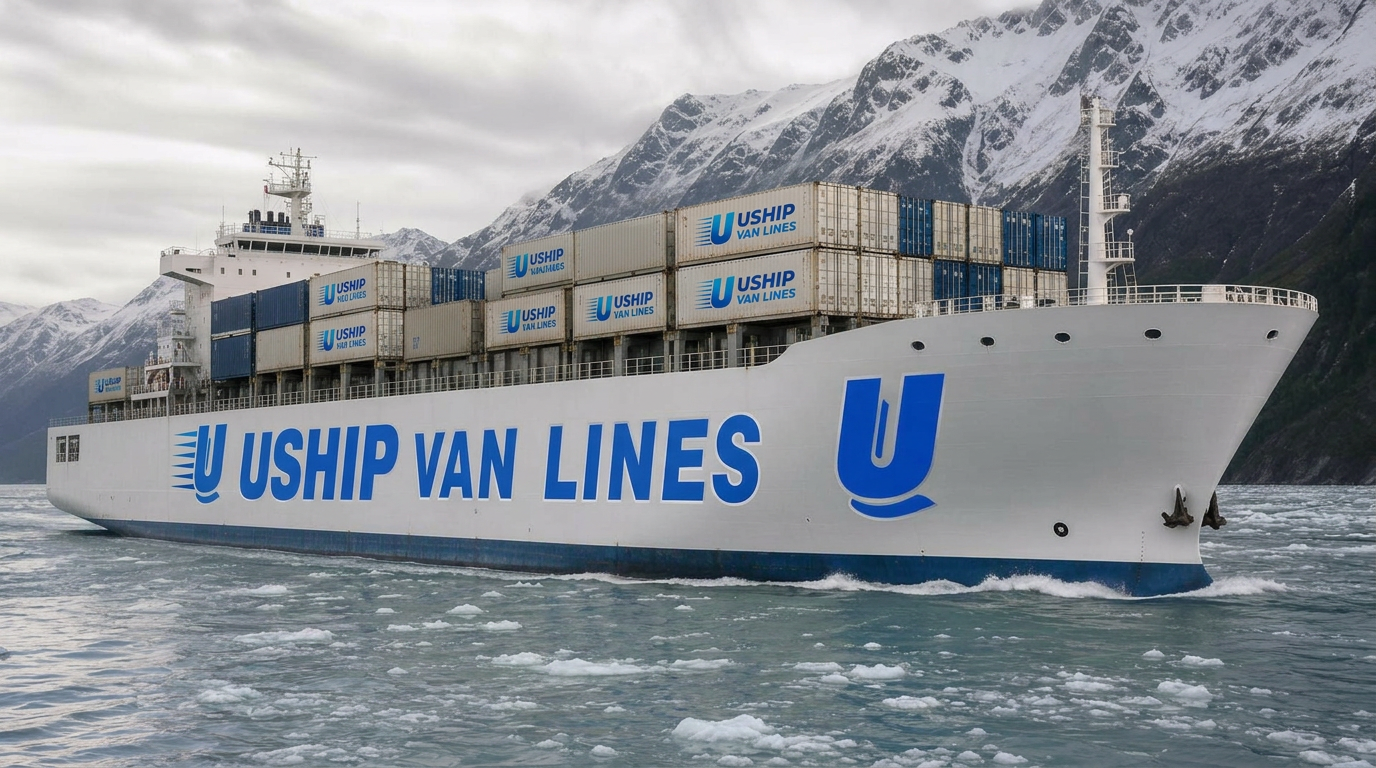
Ocean barge transit to Alaska – Containers board oceangoing barges for the journey through Inside Passage or Gulf of Alaska routes to your destination port. Transit time averages 5–9 days depending on route, weather, and port call schedules.
-
Alaska port clearance and last-mile coordination – Upon arrival at Alaska ports (Anchorage, Whittier, or Southeast communities), containers clear customs if applicable, undergo any required inspections, and transfer to local delivery trucks for the final leg.
-
Final delivery and setup – We deliver to your new Alaska address, unload your belongings, place furniture, and remove packing materials. For remote or seasonal-access destinations, we coordinate timing around road conditions, ferry schedules, or even small-plane cargo if necessary.
Estimated moving costs
What Does a Chula Vista to Alaska Move Cost?
Expect to budget $8,500–$16,000 for a typical 2–3 bedroom household moving from Chula Vista to Anchorage or other Southcentral Alaska destinations. Smaller studio/1-bedroom moves may range $5,500–$9,000, while larger 4+ bedroom homes can reach $18,000–$28,000 or more.
Key cost drivers include:
-
Volume and weight – Alaska moves price primarily by cubic footage and weight since ocean barge freight charges by both metrics. A 1,200 cubic foot load (approximately a 2-bedroom apartment) forms the baseline for mid-range estimates.
-
Final Alaska destination – Anchorage-area deliveries cost significantly less than remote locations requiring ferry connections, ice road access, or air cargo for the final mile. Fairbanks adds overland mileage; Kenai Peninsula and Mat-Su Valley destinations involve additional trucking.
-
Seasonal timing – Peak summer season (June–August) commands premium rates due to high demand and maximum barge frequency. Shoulder seasons (April–May, September–October) offer moderate pricing, while winter moves (November–March) may see discounted rates but reduced scheduling options.
-
Vehicle shipping – Many Alaska-bound families ship one or more vehicles alongside household goods. Adding a standard sedan typically costs $2,200–$3,500; trucks and SUVs run $2,800–$4,200. Vehicles travel on the same barges as household containers.
-
Packing services – Full professional packing adds approximately 15–25% to base transportation costs but proves worthwhile for ocean transit, which subjects shipments to greater movement than overland-only moves.
-
Storage needs – If your Chula Vista home closes before your Alaska residence is ready, or if barge schedules create timing gaps, temporary storage in Pacific Northwest facilities typically costs $150–$400 per month depending on volume.
We provide detailed written estimates with transparent breakdowns—no hidden fees or surprise charges. Costs quoted are never guaranteed until confirmed in writing with locked-in dates.
Estimated transit times
Realistic Timeline: Chula Vista to Alaska Transit Duration
Door-to-door transit typically requires 14–28 days for Chula Vista to Anchorage moves, with considerable variation based on scheduling, weather, and final destination complexity.
Breakdown by leg:
-
Chula Vista to Pacific Northwest ports (Tacoma/Seattle): 3–5 days for overland trucking, including potential consolidation time at origin.
-
Port staging and barge loading: 2–7 days depending on your scheduled sailing date and current port operations. Summer peak season often means tighter windows; winter may involve longer waits between sailings.
-
Ocean barge transit: 5–9 days at sea from Tacoma to Anchorage. Southeast Alaska destinations may see shorter ocean legs (3–5 days to Ketchikan or Juneau), while some routes involve port calls that extend total time.
-
Alaska port clearance: 1–3 days for container offloading, any inspections, and transfer to local delivery trucks.
-
Final delivery within Alaska: Same-day to 3 days depending on distance and road conditions. Anchorage-area deliveries often occur within 24 hours of port clearance. Remote destinations, ferry-dependent communities, or locations with seasonal access restrictions can add a week or more.
Plan for the upper end of these ranges during May–September when barge demand peaks and Alaska construction/tourism seasons create scheduling pressure. Winter moves may see faster port processing but must account for reduced barge frequency and weather delays.
For time-sensitive moves (job start dates, school enrollment, housing lease beginnings), we recommend building in a 5–7 day buffer beyond quoted estimates and considering temporary housing arrangements in Alaska while awaiting your household goods.
Regional logistics
Alaska-Specific Moving Logistics You Need to Know
Port operations and routing: Most Chula Vista to Alaska household shipments transit through the Port of Tacoma's Alaska Terminal or Seattle facilities before boarding barges operated by carriers like Totem Ocean Trailer Express (TOTE) or Alaska Marine Lines. Anchorage receives the majority of Southcentral Alaska freight; Whittier serves as an alternative with rail connections. Southeast Alaska moves use Juneau, Ketchikan, or Sitka depending on final destination.
Vehicle shipping alongside household goods: Alaska-bound movers typically ship vehicles on the same barges as furniture. Vehicles must be delivered to port facilities with less than 1/4 tank of fuel, no personal items inside (for safety), and proper documentation. Most carriers allow one set of car keys taped inside; you keep duplicates. Vehicles arrive in Alaska on the same timeline as household containers.
Paperwork and documentation: While Alaska is a U.S. state requiring no customs clearance for domestic moves, carriers require detailed inventory lists, proof of ownership for high-value items, and signed bills of lading. Vehicle shipments need title documentation. If shipping firearms, you'll complete ATF-compliant declarations. Some movers require Alaska residency proof or lease agreements before delivery.
Last-mile Alaska delivery challenges: Anchorage and major road-connected communities present no unusual challenges. However, many Alaska destinations involve complications: Juneau (no road access, requires ferry or flight coordination), Mat-Su Valley (additional trucking from Anchorage), Kenai Peninsula (ferry or highway depending on season), and bush villages (may require cargo plane transfer from regional hubs).
What cannot move to Alaska: Hawaii and Alaska restrict certain plants, fresh produce, and soil to prevent invasive species. Hazardous materials, ammunition (beyond personal quantities), and propane tanks cannot travel by barge. Some prescription medications require temperature control arrangements. We provide a complete restricted-items checklist during your consultation.
Storage and timing flexibility: Given the complexity of barge scheduling and Alaska housing markets, temporary storage often proves necessary. We offer short-term warehousing at Pacific Northwest facilities ($150–$400/month) or Alaska-based storage if your home isn't ready upon shipment arrival.
Seasonal considerations
Best Times to Move from Chula Vista to Alaska
Summer (June–August): Peak Alaska moving season coincides with optimal weather, maximum barge frequency (sometimes 3–4 sailings per week from Tacoma), and most reliable road access throughout the state. Families with school-age children prioritize this window. Expect premium pricing, tight scheduling, and 3–6 week advance booking requirements. Port congestion occasionally adds delays.
Spring (April–May): Shoulder season offers moderate pricing and good barge availability as Alaska awakens from winter. Late May is especially popular for those wanting settled before summer peak. Weather in Alaska improves significantly after April, though early-season snow remains possible in Interior and Southcentral regions. Excellent value period.
Fall (September–October): Another shoulder season with reduced pricing and lighter demand. Barge schedules remain frequent through mid-September, then taper in October. Autumn weather in Alaska can be unpredictable—snow arrives in Fairbanks by late September, though Anchorage often stays clear into October. Good choice for budget-conscious movers without school constraints.
Winter (November–March): Off-season moves offer lowest rates and maximum scheduling flexibility from Chula Vista, but barge frequency drops significantly—sometimes only 1–2 sailings per week or less. Winter weather creates risks: ocean storms can delay barges, Alaska road conditions may postpone final delivery, and some remote destinations become inaccessible. However, for remote workers or retirees with flexible timelines, winter discounts (sometimes 15–25% below peak) make this attractive.
Special note: If moving to bush Alaska communities dependent on winter ice roads or frozen river access, coordinate carefully—these routes operate only during deep-freeze periods (typically January–March) and require specialized logistics.
Why choose Best Alaska & Hawaii Movers
Why Choose Best Alaska & Hawaii Movers for Your Chula Vista to Alaska Move
-
Exclusive non-contiguous focus – We don't dabble in Alaska moves alongside general Lower 48 routes. This is our sole specialty, meaning our entire operation—from customer service to logistics coordination to carrier partnerships—is built around the unique demands of Alaska and Hawaii relocations.
-
Transparent, realistic pricing and timelines – We provide honest estimates that account for barge schedules, seasonal factors, and Alaska-specific logistics. No bait-and-switch tactics, no guaranteed prices that evaporate upon booking, no hidden port fees discovered later.
-
End-to-end coordination powered by UShip Van Lines – You work with one dedicated move coordinator from initial quote through final delivery in Alaska. We manage carrier relationships, port logistics, barge bookings, and last-mile arrangements so you don't navigate multiple vendors.
-
Experience with every Alaska destination type – Whether you're relocating to urban Anchorage, military housing at JBER, a Fairbanks homestead, a Kenai Peninsula fishing community, or remote bush locations, we've handled it. We know which routes require special timing, which destinations need ferry coordination, and how to manage winter access challenges.
-
Vehicle and household goods in one shipment – We streamline logistics by coordinating your car, truck, or SUV to travel on the same barge as your furniture, reducing complexity and often saving money compared to separate arrangements.