
Moving from Alaska to Milwaukee, WI
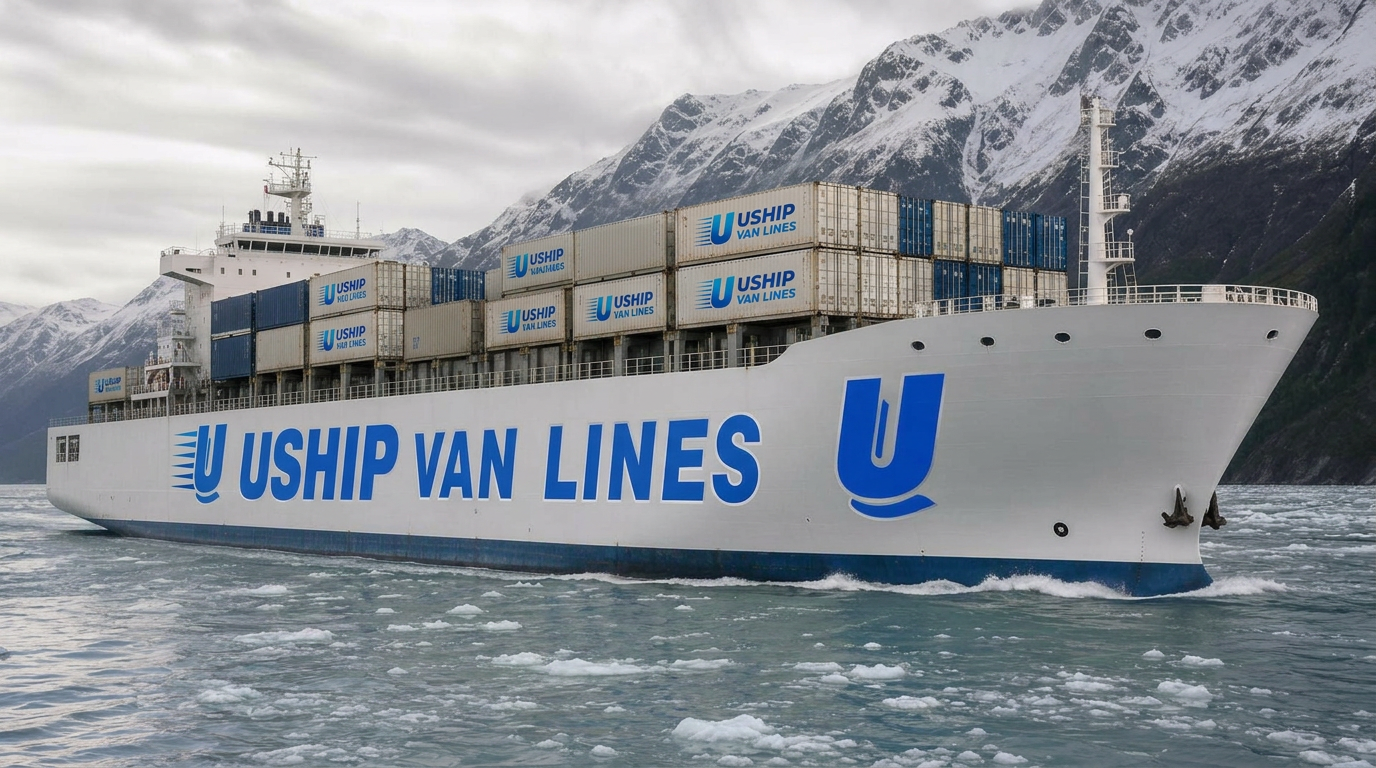
Relocating from Alaska to Milwaukee represents one of the most logistically complex moves in North America. Your household goods will travel by barge from Alaska to Tacoma, then overland across 1,800 miles to Wisconsin's largest city. This multi-modal journey requires specialized coordination, weather-dependent scheduling, and carriers experienced in Alaska's unique shipping requirements.
Best Alaska & Hawaii Movers, powered by UShip Van Lines, handles the entire process from your Alaska doorstep to your Milwaukee neighborhood. Whether you're leaving Anchorage, Fairbanks, the Mat-Su Valley, or remote communities, we coordinate barge schedules, container logistics, and final delivery to ensure your belongings arrive safely in America's Midwest. Ready to start planning? Request your free quote today to lock in rates and transit windows.
Route overview
The Alaska to Milwaukee Moving Route
Moving from Alaska to Milwaukee involves a carefully orchestrated journey spanning approximately 2,400 nautical and road miles. Your belongings first travel by barge from Alaska ports—typically Anchorage, Whittier, or Kodiak—to the Port of Tacoma in Washington State. This ocean leg alone takes 4–7 days depending on weather and sailing schedules. From Tacoma, your shipment transfers to over-the-road carriers for the cross-country haul through Washington, Idaho, Montana, North Dakota, and Minnesota before reaching southeastern Wisconsin.
Milwaukee sits on Lake Michigan's western shore, offering straightforward highway access via I-94 from the west and I-43 from the north. Once your goods clear Tacoma and begin the overland leg, transit to Milwaukee typically takes 3–5 days under normal conditions. The city's well-developed infrastructure and proximity to major freight corridors make it easier to schedule precise delivery windows compared to more remote Midwest destinations.
The complexity of this route lies in synchronizing Alaska's limited barge schedule with mainland trucking availability. Alaska sailings run less frequently during winter months, and weather delays can cascade through your entire timeline. Working with carriers who understand both maritime and overland logistics—and who maintain partnerships at Tacoma for seamless container transfers—is essential for avoiding costly delays and storage fees.
How the moving process works
How Your Alaska to Milwaukee Move Works: Step-by-Step
-
Initial survey and quote: Schedule a virtual or in-home assessment where we inventory your belongings, discuss fragile items, and provide a detailed cost estimate. For Alaska moves, we'll confirm your exact pickup location (downtown Anchorage differs from bush communities) and identify any access restrictions that affect barge scheduling.
-
Barge booking and container assignment: Once you confirm your move date, we reserve space on the next available barge sailing from Alaska to Tacoma. You'll receive a container number, sailing date, and estimated Tacoma arrival. We coordinate whether you need a 20-foot or 40-foot container based on your inventory—most 2–3 bedroom homes fit comfortably in a 20-foot container.
-
Alaska pickup and container loading: Our Alaska-based crew arrives at your home, carefully packs and loads your belongings into the assigned container. If you're in Anchorage or the Mat-Su Valley, we transport the loaded container directly to the Port of Anchorage. For remote locations, we arrange local trucking to the nearest barge-accessible port.
-
Ocean transit to Tacoma: Your container sails from Alaska to the Port of Tacoma over 4–7 days. We track the vessel in real-time and notify you when it clears customs and dock operations. Weather delays during fall and winter can add 1–3 days; summer sailings typically run on schedule.
-
Container transfer and overland dispatch: At Tacoma, our logistics team transfers your container from the marine terminal to our partner trucking network. The container is loaded onto a long-haul truck for the journey across the northern tier states to Milwaukee. This transition usually takes 1–2 days to coordinate.
-
Cross-country transit: Your shipment travels approximately 1,800 road miles from Tacoma to Milwaukee over 3–5 days. Drivers navigate I-90 through Montana and South Dakota or I-94 through North Dakota and Minnesota, depending on weather and traffic conditions. We provide tracking updates as your shipment crosses state lines.
-
Milwaukee delivery and unloading: Our delivery team contacts you 24–48 hours before arrival to confirm your Milwaukee address and any building requirements (elevator reservations, loading dock access, parking permits). We unload your container, place furniture in designated rooms, and remove packing materials, completing your Alaska-to-Milwaukee journey.
Estimated moving costs
What Does It Cost to Move from Alaska to Milwaukee?
A typical 2–3 bedroom household moving from Alaska to Milwaukee costs between $6,800 and $11,500 for full-service door-to-door transport. This range reflects container size, seasonal demand, pickup location within Alaska, and additional services like vehicle shipping or storage.
Key cost drivers for this route include:
-
Container size and volume: A 20-foot container (roughly 1,100 cubic feet) handles most 2-bedroom homes and costs $6,800–$8,500. Larger homes requiring a 40-foot container (2,200+ cubic feet) run $9,500–$11,500. Shared container space (consolidated moves) can reduce costs by 20–30% if your timeline is flexible.
-
Pickup location within Alaska: Anchorage and Mat-Su Valley pickups cost less due to direct port access. Fairbanks adds $400–$800 for the additional trucking leg to tidewater. Remote communities (Kenai Peninsula, Kodiak, bush locations) require specialized logistics and may add $1,200–$2,500 depending on accessibility.
-
Barge schedule and season: Summer sailings (May–September) offer more frequent departures and competitive pricing. Winter moves (October–April) face limited schedules, weather risks, and 15–25% seasonal surcharges as demand concentrates on fewer sailings.
-
Packing and labor services: Full-service packing (we pack everything) adds $1,200–$2,200 to your quote. Partial packing (fragiles, kitchens only) runs $400–$800. Self-pack options reduce costs but require you to prepare items to maritime shipping standards.
-
Vehicle transport: Shipping a vehicle from Alaska to Milwaukee costs an additional $1,800–$2,800 via the same barge-and-drive route. Most customers ship one vehicle in the container and drive another on the Alaska Highway if timing permits.
-
Insurance coverage: Basic carrier liability (60 cents per pound) is included. Full-value protection costs 1–2% of your declared shipment value and covers replacement cost for damaged items. For high-value moves, this is strongly recommended.
These figures represent typical moves and are not guaranteed quotes. Your final price depends on your specific inventory, services, and travel dates. Request a detailed estimate to receive binding cost breakdowns tailored to your Alaska-to-Milwaukee move.
Estimated transit times
How Long Does an Alaska to Milwaukee Move Take?
Door-to-door transit from Alaska to Milwaukee typically requires 12–21 days depending on your Alaska pickup location, barge schedule alignment, and weather conditions. This timeline breaks down into three distinct legs:
Alaska pickup to barge departure: 1–5 days. If you're in Anchorage or nearby, we can often load your container and deliver it to the port within 24–48 hours, catching the next scheduled sailing. Remote pickups in Fairbanks, Kenai, or bush communities may require 3–5 days to truck your container to tidewater and stage it for loading.
Ocean transit (Alaska to Tacoma): 4–7 days. Barges typically sail twice weekly during summer, once weekly in shoulder seasons, and every 10–14 days in winter. The voyage itself takes 4–5 days in good weather. Winter storms, fog, or port congestion can extend this to 7 days. Once docked in Tacoma, customs clearance and container unloading add 1–2 days.
Overland transit (Tacoma to Milwaukee): 5–8 days. The 1,800-mile truck journey takes 3–4 days of driving time, but scheduling the truck, loading the container, and coordinating delivery windows typically adds 2–4 days. If your container arrives in Tacoma on a Friday, it may not dispatch until Monday, extending your timeline.
Summer moves (June–August) generally hit the faster end of these ranges due to optimal weather, frequent sailings, and abundant trucking capacity. Winter moves (November–February) should budget toward the longer estimates—21+ days is common when factoring in storm delays, reduced barge frequency, and holiday trucking slowdowns. Spring and fall occupy the middle ground, with 14–17 days being typical.
For time-sensitive relocations, communicate your deadlines early. We can prioritize express barge space and dedicated trucking, though this may increase costs by 20–35%. Most customers choose standard service and plan for the upper end of the timeline, treating earlier arrivals as pleasant surprises.
Regional logistics
Alaska-Specific Moving Logistics for Milwaukee Relocations
Port operations and barge schedules: Most Alaska-to-Lower-48 freight moves through the Port of Anchorage, with additional service from Whittier, Kodiak, and occasionally Dutch Harbor. Barge lines operate on published schedules, but weather can shift departure dates by 24–72 hours. We monitor sailings in real-time and adjust your pickup timing to ensure your container makes the boat. Missing a sailing can delay your move by 7–14 days depending on season.
Container types and packing standards: Your belongings ship in either a 20-foot or 40-foot intermodal container—the same steel boxes used for ocean freight worldwide. Items must be packed to withstand ocean swells, temperature fluctuations, and multiple container transfers. We secure furniture with straps and bracing, wrap vulnerable items in padding, and distribute weight to prevent shifting. Self-packed containers that aren't properly secured may be rejected at the port or suffer damage during transit.
Vehicle shipping options: You can ship one vehicle inside your household goods container (space permitting) or arrange separate vehicle transport. Most customers with sedans or small SUVs place the vehicle in the back of a 40-foot container, filling the front with furniture and boxes. Larger vehicles require dedicated auto transport via barge, then drive-away or truck from Tacoma to Milwaukee (adding $1,800–$2,800). Fluids must be drained to quarter-tank for maritime safety regulations.
Customs and documentation: While Alaska-to-Lower-48 moves don't cross international borders, you'll complete shipping manifests, inventory lists, and container seals for port security. We handle all paperwork, but you must declare high-value items ($5,000+ per piece) for insurance purposes. Firearms, ammunition, and hazardous materials have special restrictions—notify us during inventory so we can advise on compliance.
Last-mile Alaska access: If you're moving from a remote community without barge service (bush Alaska, fly-in locations), we coordinate small-plane or barge-lighter transport to get your goods to a tidewater port. This adds 3–10 days and $2,000–$6,000 depending on distance and payload. Fairbanks and North Slope residents typically truck to Anchorage or Whittier, a more cost-effective option than air freight.
Milwaukee delivery specifics: Milwaukee's urban core includes many older apartment buildings and condos with narrow staircases, small elevators, and tight street parking. Notify us of any access challenges (walk-ups, loading dock reservations, HOA requirements) when booking. We'll schedule appropriately sized trucks and additional crew if needed. Most Milwaukee deliveries occur without complications, but advance planning prevents day-of surprises.
Seasonal considerations
Best Times to Move from Alaska to Milwaukee
Summer (May–September): Peak moving season offers the most frequent barge sailings (often twice weekly), optimal weather, and fastest transit times. Tacoma port operations run at full capacity, and trucking availability is highest. However, demand drives prices up 10–20%, and you'll need to book 4–6 weeks ahead to secure your preferred dates. Summer is ideal if you have school-age children, need to start a job by a specific date, or want the most predictable timeline.
Fall (October–November): Shoulder season balances decent weather with lower demand. Barge frequency drops to once weekly, but you'll often find better rates (5–15% below summer peak) and more flexible scheduling. Early October weather is generally cooperative; by late November, winter storms begin affecting Alaska and northern-tier truck routes. Book 3–4 weeks ahead.
Winter (December–March): Off-season moves face the greatest challenges but offer potential cost savings of 15–25%. Barge sailings run every 10–14 days, and weather delays are common—budget an extra 3–7 days beyond standard timelines. Tacoma can experience rare snow/ice disruptions, and I-90/I-94 across Montana, North Dakota, and Minnesota face winter closures during blizzards. Only choose winter if your timeline is flexible and you're comfortable with weather-related uncertainty. Some movers offer winter discounts to fill capacity.
Spring (April–May): Transitional season as barge schedules ramp up and weather improves. Rates begin climbing toward summer levels but remain 10–15% below peak. Ice breakup in Alaska ports can occasionally delay early April sailings. By mid-May, conditions stabilize and service frequency increases. Book 3–4 weeks ahead; this is a sweet spot for budget-conscious movers who can avoid summer's premium pricing.
Regardless of season, Alaska's barge schedule is the governing constraint. Plan your Milwaukee lease or closing date with a 7–10 day buffer beyond your estimated delivery date to account for weather and logistics variables.
Why choose Best Alaska & Hawaii Movers
Why Choose Best Alaska & Hawaii Movers for Your Alaska to Milwaukee Move
-
Specialized Alaska logistics expertise: We've navigated Alaska's barge schedules, port operations, and last-mile challenges for years. Our team understands how to time pickups with sailings, manage weather delays, and coordinate seamless container transfers at Tacoma—expertise that general moving companies simply don't possess.
-
Single-source accountability from Alaska to Milwaukee: You work with one team from initial quote through final delivery. We don't hand off your shipment to unknown subcontractors. Best Alaska & Hawaii Movers, powered by UShip Van Lines, maintains control of your container throughout the journey, providing consistent communication and real-time tracking.
-
Transparent pricing with no hidden fees: Our quotes include all expected costs—barge space, overland trucking, fuel surcharges, and standard insurance. You won't discover surprise port fees or transfer charges. We itemize every component so you can make informed decisions about your move budget.
-
Flexible service levels to match your needs: Choose full-service packing (we handle everything), partial packing (fragiles and special items only), or self-pack options. We accommodate vehicle shipping, storage needs, and flexible delivery windows. Your move, your choices—we adapt our services to your priorities.
-
Proven track record across complex routes: Our network handles hundreds of Alaska moves annually to destinations across the Lower 48. We know which Tacoma transfer partners provide the fastest turnaround, which trucking routes avoid seasonal bottlenecks, and how to expedite Milwaukee delivery in challenging weather windows. Experience matters on multi-modal moves like this.