
Moving from Seattle, WA to Alaska
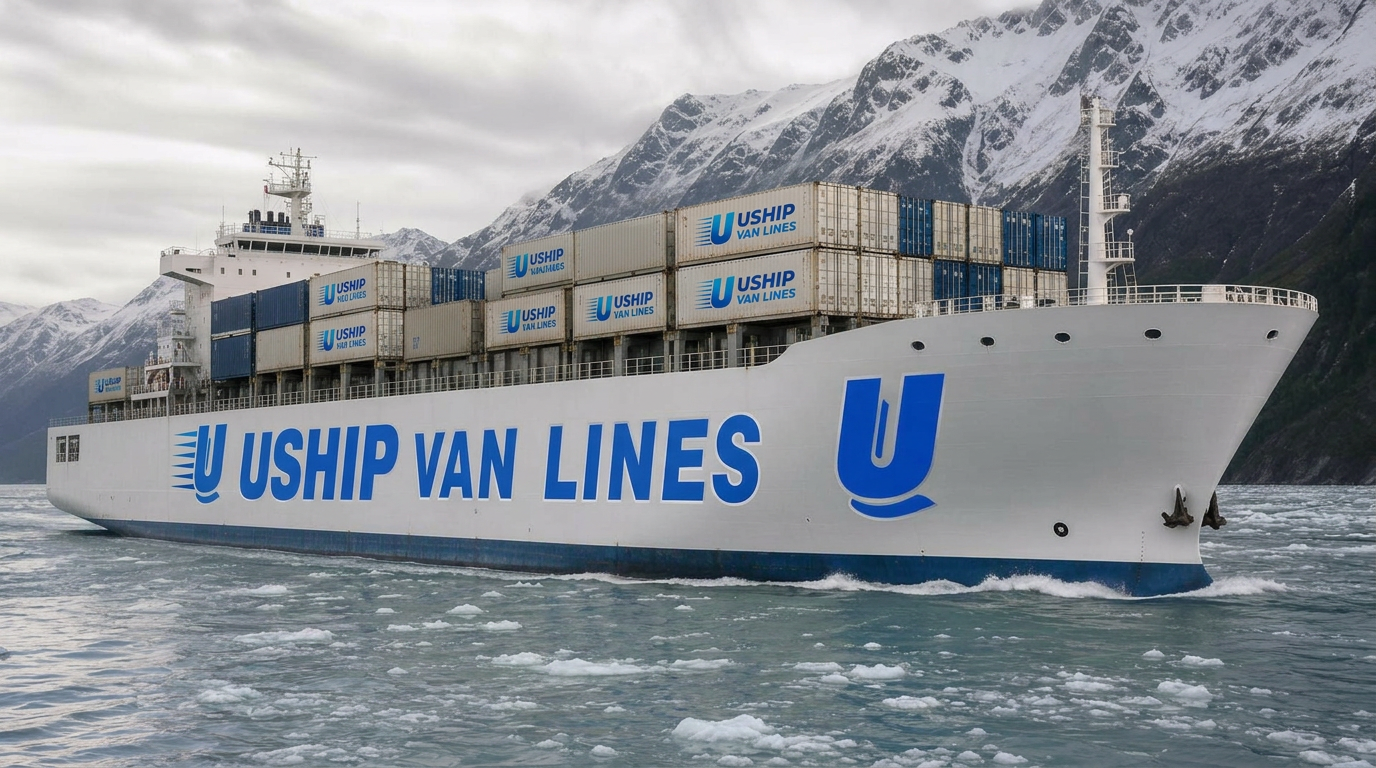
Moving from Seattle to Alaska is one of the most logistically unique relocations in North America. Your household goods will travel by truck to Tacoma, load onto a barge bound for the Port of Anchorage, then complete the journey by ground to your final destination—whether that's Anchorage, Fairbanks, the Mat-Su Valley, Kenai Peninsula, or even remote bush communities.
Best Alaska & Hawaii Movers, powered by UShip Van Lines, specializes in this exact route. We coordinate every leg—Seattle pickup, Tacoma port handling, ocean barge transit, Alaska port delivery, and last-mile transport—so you don't have to juggle multiple carriers. Ready to simplify your Alaska move? Request a free quote today and let our team handle the complexity.
Route overview
Seattle to Alaska: The Pacific Northwest's Gateway to the Last Frontier
Seattle serves as the primary departure point for most Alaska-bound household moves originating in the Pacific Northwest. Your belongings are picked up in Seattle, consolidated at our Tacoma staging facility, then loaded into ocean-rated containers for barge transit to Anchorage. This route covers approximately 1,450 nautical miles by sea, plus overland segments on both ends.
The Seattle-to-Alaska corridor is one of the most established non-contiguous moving lanes in the U.S. Regular weekly barge departures from Tacoma during peak season (May–September) ensure predictable schedules. Off-season sailings reduce to bi-weekly or monthly, making timing and booking lead time critical for winter moves.
Once your container arrives at the Port of Anchorage, ground carriers complete delivery throughout South Central Alaska—including Anchorage, Eagle River, Wasilla, Palmer, Kenai, Soldotna, and Homer. Interior Alaska destinations like Fairbanks require additional trucking via the Parks Highway, while Southeast Alaska (Juneau, Ketchikan, Sitka) uses separate marine routes and is typically priced differently.
How the moving process works
How Your Seattle to Alaska Move Works: Step-by-Step
-
Free Consultation & Quote — Contact Best Alaska & Hawaii Movers for a detailed estimate based on your inventory, destination ZIP, and preferred move dates. We'll explain barge schedules, transit windows, and answer Alaska-specific questions.
-
Seattle-Area Pickup — Our professional movers arrive at your Seattle home, carefully load your belongings into a moving truck, and transport everything to our Tacoma consolidation warehouse near the port.
-
Container Loading & Port Staging — Your household goods are packed into a 20-foot or 40-foot ocean container (shared or exclusive, depending on your shipment size), secured for ocean transport, and staged at the Tacoma marine terminal.
-
Barge Transit to Anchorage — Your container boards a northbound barge, sailing through the Inside Passage and Gulf of Alaska to the Port of Anchorage. Transit time is typically 5–7 days, weather permitting.
-
Port of Anchorage Offloading & Customs Clearance — Containers are offloaded, processed through Alaska port operations, and released to our ground carrier partner for final delivery.
-
Last-Mile Delivery Across Alaska — A local Alaska moving crew transports your container to your new address—whether in Anchorage metro, Mat-Su Valley, Kenai Peninsula, or Fairbanks. They unload, place items in rooms, and remove packing materials.
-
Final Walkthrough & Sign-Off — Inspect your shipment, confirm all items arrived safely, and complete delivery paperwork. Our team is available for any post-delivery questions or claims.
Estimated moving costs
What Does a Seattle to Alaska Move Cost?
A typical 2–3 bedroom household move from Seattle to Anchorage ranges from $4,500 to $9,000, depending on shipment size, service level, and season. Smaller studio or 1-bedroom moves may start around $2,800–$4,200, while larger 4+ bedroom homes can exceed $12,000.
Key cost drivers include:
- Shipment Volume — Charged by cubic feet or container space. A full 20-foot container holds roughly 1,100 cubic feet; a 40-foot container holds 2,200+ cubic feet.
- Exclusive vs. Shared Container — Exclusive container service (your goods only) costs more but offers faster transit and reduced handling. Shared containers are more economical for smaller moves.
- Barge Season — Peak summer sailings (June–August) often carry premium pricing due to high demand. Off-season moves may offer lower rates but fewer sailing options.
- Final Destination — Anchorage metro deliveries are standard. Fairbanks, Kenai, Homer, and remote areas add 300–700+ highway miles and increase costs accordingly.
- Vehicle Shipping — Adding a car or truck to your move costs $1,200–$2,500 extra, depending on vehicle size and destination.
- Packing Services — Professional packing adds $800–$2,500 depending on home size and fragile item count.
- Storage — If your Alaska home isn't ready, warehouse storage in Anchorage runs $150–$400/month for typical household volumes.
We never guarantee prices without a detailed inventory review. Request a custom quote to receive an accurate estimate based on your specific move parameters.
Estimated transit times
How Long Does a Seattle to Alaska Move Take?
Door-to-door transit from Seattle to Anchorage typically takes 10–18 days, broken down as follows:
- Seattle Pickup to Tacoma Warehouse: 1 day
- Container Consolidation & Port Staging: 1–3 days (depends on barge departure schedule)
- Barge Transit (Tacoma to Port of Anchorage): 5–7 days under normal weather conditions
- Port Offloading & Release: 1–2 days
- Last-Mile Delivery in Alaska: 1–3 days (Anchorage metro); 2–5 days for Fairbanks, Kenai, or remote areas
Total transit time for Fairbanks or Kenai Peninsula deliveries often extends to 14–21 days due to additional ground transport.
Winter moves take longer. Off-season barge schedules reduce sailing frequency to bi-weekly or monthly, and severe weather can delay sailings by several days. Alaska highway conditions in winter also slow last-mile trucking. Plan for 3–4 weeks total transit November through March.
Booking lead time matters. Reserve your move 4–6 weeks in advance during peak season (May–September) to secure your preferred sailing date. Off-season moves require 6–8 weeks' notice due to limited barge capacity.
Regional logistics
Alaska-Specific Moving Logistics You Need to Know
Tacoma Port & Barge Operations All Seattle-area Alaska moves route through the Port of Tacoma, where cargo is containerized and loaded onto Totem Ocean Trailer Express (TOTE) or similar Alaska Marine Lines barges. Your moving company coordinates all port paperwork, container booking, and sailing schedules.
Port of Anchorage Delivery Most Alaska moves arrive at the Port of Anchorage, Alaska's primary deep-water port. From there, ground carriers distribute shipments across South Central Alaska. Fairbanks-bound freight typically trucks north via the Parks Highway (358 miles, 6–7 hours under good conditions).
Vehicle Shipping on the Same Barge You can ship your car, truck, or SUV in the same sailing as your household goods. Vehicles are driven onto the barge and secured separately. This is often more cost-effective than driving the Alaska Highway and eliminates 2,000+ miles of wear on your vehicle. Vehicles must be nearly empty (1/4 tank fuel, no personal items except floor mats and spare tire).
Remote & Bush Alaska Deliveries Destinations not accessible by road (e.g., Bethel, Kotzebue, Nome, Kodiak Island) require additional air freight or small-vessel marine transport. These moves are priced separately and involve significant logistical coordination. Contact us for a specialized quote if you're moving to an off-road-system community.
Packing for Marine Transit Ocean barge transport is rougher than overland trucking. Professional packing is highly recommended, especially for fragile items, electronics, and furniture. Items must be secured to prevent shifting during multi-day sea transit.
Customs & Documentation While Alaska is a U.S. state (no international customs), certain agricultural and wildlife regulations apply. Declare any plants, soil, animal products, or firearms. Your moving company will guide you through required documentation.
Storage Options in Alaska If your Alaska home isn't ready, most carriers offer climate-controlled warehouse storage in Anchorage. Monthly rates are reasonable, and your shipment can be held until your delivery address is available.
Seasonal considerations
Best Time to Move from Seattle to Alaska (Season-by-Season)
Summer (May–September): Peak Moving Season Weekly barge departures, warmest weather, and easiest road access make summer the most popular—and most expensive—time to move to Alaska. Book early; container space fills quickly, especially in June and July. Advantage: fastest, most predictable transit. Disadvantage: premium pricing and high demand.
Fall (October–November): Shoulder Season Barge frequency drops to bi-weekly as demand tapers. Prices soften slightly, and you'll have more scheduling flexibility. Early snowfall in Alaska can begin affecting interior highway deliveries by late October. Good option if you can be flexible on exact delivery dates.
Winter (December–March): Off-Season Monthly barge sailings, lower rates, and minimal competition for container space. However, severe winter weather—both on the Gulf of Alaska and Alaska highways—can delay sailings and deliveries by a week or more. Interior Alaska deliveries (Fairbanks, North Pole) face potential road closures. Only recommended if your Alaska home is ready and you can tolerate uncertainty.
Spring (April–early May): Transition Period Barge schedules ramp back up, but winter weather risks remain through mid-April. Pricing begins to rise as peak season approaches. Breakup season in Alaska (late April–May) can create muddy, challenging road conditions for last-mile delivery in rural areas. Good middle ground for cost-conscious movers with flexible timelines.
Why choose Best Alaska & Hawaii Movers
Why Choose Best Alaska & Hawaii Movers for Your Seattle to Alaska Move?
- Alaska Route Specialists — We focus exclusively on Alaska and Hawaii moves, managing this unique barge-and-ground logistics chain daily. We know the sailing schedules, port procedures, and Alaska highway realities that general movers don't.
- Single-Source Coordination — One team manages your entire move from Seattle pickup through final Alaska delivery. No handoffs to unknown third parties, no coordination headaches for you.
- Transparent Pricing & Realistic Timelines — We provide detailed, honest quotes based on real barge schedules and Alaska ground transport costs. No hidden fees, no surprise charges.
- Powered by UShip Van Lines — Our partnership with UShip Van Lines gives you access to a vetted carrier network, quality assurance protocols, and customer support throughout your move.
- Flexible Service Levels — Whether you need full-service packing, exclusive container shipping, vehicle transport, or budget-friendly shared container options, we customize solutions to fit your needs and timeline.