
Moving from Erie, PA to Alaska
Moving from Erie, Pennsylvania to Alaska represents one of the most ambitious relocations in North America—trading Lake Erie's shores for the Last Frontier's mountains, glaciers, and endless summer daylight. Whether you're headed to Anchorage for career opportunities, joining family in Fairbanks, or pursuing adventure in the Mat-Su Valley, this cross-continental move requires specialized logistics that most traditional moving companies simply cannot provide.
Best Alaska & Hawaii Movers, powered by UShip Van Lines, coordinates every phase of your Erie-to-Alaska relocation: professional packing in Pennsylvania, secure overland transport to the Port of Tacoma, barge shipping across the Gulf of Alaska, and final delivery to your new Alaska home—even in remote communities. Ready to start your northern adventure? Request a detailed quote tailored to your timeline and inventory.
Route overview
The Erie, PA to Alaska Moving Route
Your household goods travel approximately 3,800 miles from Erie to Anchorage, combining three distinct transportation modes into one coordinated service. The journey begins with professional loading at your Pennsylvania residence, followed by overland trucking westward across the northern tier states to the Port of Tacoma, Washington—the primary departure point for Alaska-bound cargo.
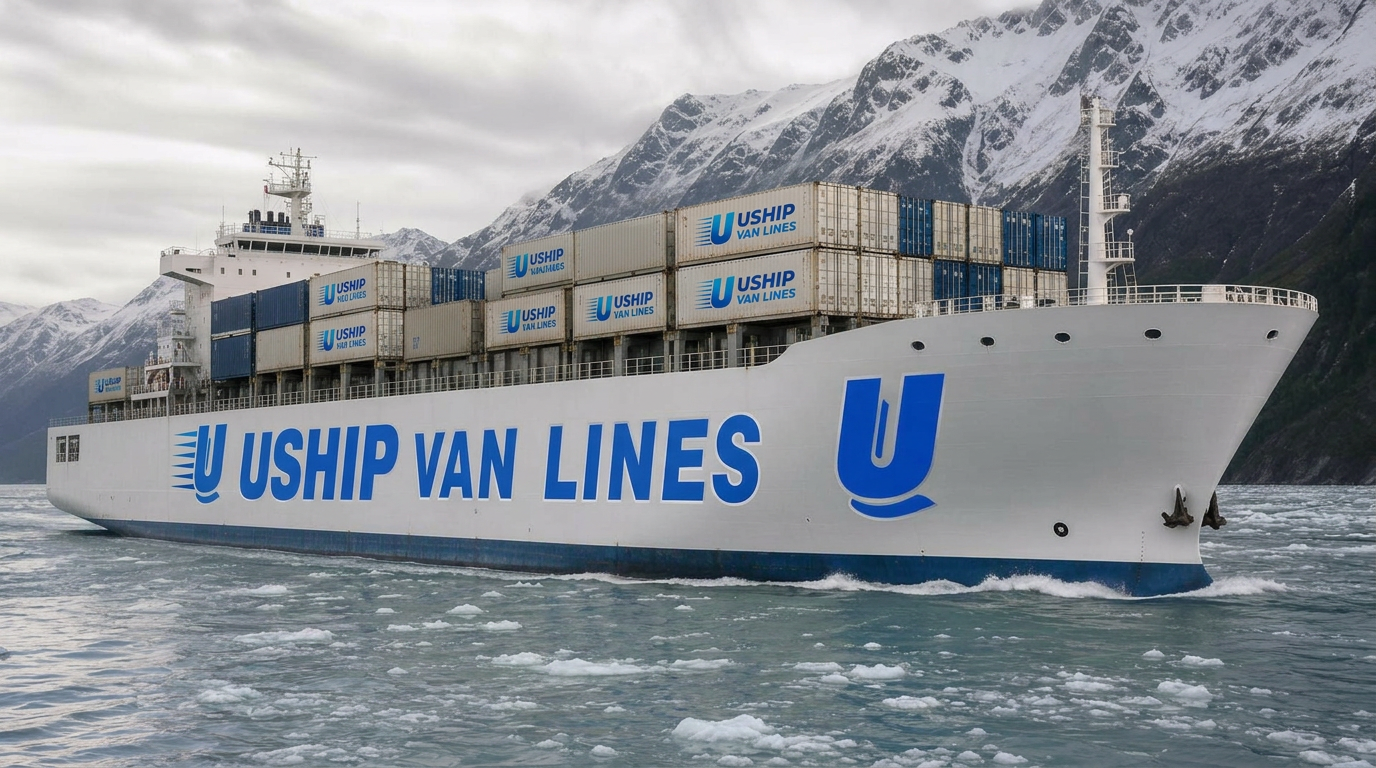
From Tacoma, your belongings board weekly barge service operated by carriers like Totem Ocean Trailer Express (TOTE) or Alaska Marine Lines, sailing north through the Inside Passage and across the Gulf of Alaska to the Port of Anchorage. This ocean leg covers roughly 1,400 nautical miles and represents the most time-intensive portion of your move. Upon arrival in Anchorage, your shipment clears Alaska receiving facilities and transfers to local delivery trucks for final transport to your destination—whether that's downtown Anchorage, suburban Eagle River, Fairbanks (an additional 360 miles north), the Kenai Peninsula, or even smaller bush communities accessible by road.
This multimodal coordination requires experienced logistics management. Timing your household goods shipment around barge sailing schedules, weather windows, and Alaska's seasonal access constraints ensures your belongings arrive when you need them, not weeks later sitting in a Tacoma warehouse.
How the moving process works
How Your Erie to Alaska Move Works: Step-by-Step
-
Free Virtual or In-Home Survey (3–4 Weeks Before Move Date): A Best Alaska & Hawaii Movers coordinator conducts a detailed inventory assessment via video call or in-person visit to your Erie residence, documenting furniture dimensions, special-handling items (pianos, antiques, artwork), and Alaska-specific considerations like vehicle shipping or storage needs. You'll receive a binding or not-to-exceed quote with transparent breakdowns.
-
Professional Packing & Loading in Erie (1–2 Days): Our Pennsylvania-based crew arrives with Alaska-rated packing materials—reinforced boxes, moisture barriers, and extra padding to protect against the extended journey and marine environment. Fragile items receive custom crating. All inventory is cataloged, wrapped, and loaded into a dedicated truck or shared container depending on your shipment size.
-
Overland Transit to Port of Tacoma (5–7 Days): Your shipment travels approximately 2,400 road miles across I-90 and I-94 through Wisconsin, Montana, Idaho, and Washington. Experienced drivers navigate mountain passes and weather, coordinating arrival at Tacoma's marine terminal to meet your scheduled barge sailing.
-
Port Processing & Barge Loading (1–3 Days): At Tacoma, your container or trailer is staged, inspected, and loaded aboard the Alaska-bound barge. Marine-specific documentation is completed, including bills of lading and customs paperwork (Alaska is a U.S. state, so no international customs, but carrier documentation is required).
-
Barge Transit to Anchorage (7–10 Days at Sea): The ocean voyage covers the Inside Passage, open Pacific waters off British Columbia, and the Gulf of Alaska. Sailings depart Tacoma weekly year-round, though winter schedules may be slightly reduced. Your shipment remains sealed in its container throughout the voyage.
-
Alaska Port Receiving & Unloading (2–4 Days): Upon docking at the Port of Anchorage, containers are offloaded, cleared through the terminal, and transferred to Alaska-based trucking partners. Winter ice conditions or summer peak season can occasionally extend this processing window.
-
Final Delivery to Your Alaska Home (Same Day to 3 Days): Local Alaska movers complete the last-mile delivery, navigating everything from Anchorage high-rises to rural gravel driveways. For Fairbanks, Mat-Su, Kenai, or other outlying areas, allow an additional 1–3 days. Our team unpacks, assembles furniture, and removes packing debris, leaving you ready to settle in.
Estimated moving costs
What Does It Cost to Move from Erie, PA to Alaska?
A typical 2–3 bedroom household moving from Erie to Anchorage costs between $8,500 and $14,000 for full-service door-to-door relocation. Studio or 1-bedroom moves may range from $5,000–$7,500, while larger 4+ bedroom homes with extensive inventory can exceed $16,000–$20,000. These estimates reflect professional packing, overland transport, barge shipping, and Alaska delivery—not DIY truck rentals or freight-only options.
Key cost drivers include:
- Shipment volume and weight: Barge carriers charge by cubic footage or linear trailer feet. A 3-bedroom home typically requires 800–1,200 cubic feet. Heavier items (solid wood furniture, pianos, shop equipment) increase costs due to weight-based port fees.
- Packing services: Full-pack service in Erie adds $1,200–$2,500 but ensures Alaska-compliant protection. Self-packing saves money upfront but risks damage claims and delays if materials fail during the long journey.
- Delivery location in Alaska: Anchorage deliveries cost less than Fairbanks (additional 360 miles), Kenai Peninsula communities (ferries or extended drives), or off-road-system villages requiring air or marine secondary transport.
- Seasonal timing: Summer (May–September) is peak moving season with higher demand and pricing. Winter (October–April) often brings 10–15% discounts but requires planning around daylight, road conditions, and holiday barge schedule reductions.
- Vehicle shipping: Adding a car or truck to your barge shipment costs $1,500–$2,800 Tacoma-to-Anchorage, far cheaper than driving the Alaska Highway (4,500+ miles, significant wear, winter hazards).
- Storage: If your Alaska housing isn't ready, Anchorage-area climate-controlled storage runs $150–$300/month for typical household volumes.
We never quote guaranteed final prices without a detailed inventory review. Request your personalized estimate to understand exactly what your Erie-to-Alaska move will cost based on your specific belongings, timeline, and destination.
Estimated transit times
How Long Does Moving from Erie to Alaska Take?
Door-to-door transit from Erie, Pennsylvania to Anchorage typically requires 18–28 days, with variations based on barge schedules, seasonal weather, and final Alaska destination. Understanding the timeline breakdown helps you plan temporary housing, travel arrangements, and work start dates.
Transit breakdown by leg:
- Erie packing & loading: 1–2 days for professional pack and load
- Overland Erie to Tacoma: 5–7 days (2,400 miles via northern interstates)
- Tacoma port staging: 1–3 days (coordinating with barge sailing schedule)
- Barge Tacoma to Anchorage: 7–10 days at sea (weekly sailings, weather-dependent)
- Anchorage port processing: 2–4 days (offload, terminal clearance, local transfer)
- Final Alaska delivery: Same day (Anchorage metro) to 3 days (Fairbanks, Kenai, Mat-Su)
Fairbanks deliveries add 1–2 days for the 360-mile highway segment from Anchorage. Kenai Peninsula destinations may require additional ferry coordination or extended drive time depending on the specific community.
Winter considerations: November–March moves may experience slight delays due to shortened daylight for driving, occasional mountain pass closures in the Cascades, and reduced barge frequency (though TOTE and Alaska Marine Lines maintain year-round service). Summer peak season (June–August) sees faster port processing but higher competition for delivery slots.
We recommend flying to Alaska 5–7 days after your household goods depart Erie, giving yourself buffer time for unexpected weather delays while avoiding weeks of waiting without your belongings. Our tracking system provides regular shipment updates from Erie pickup through final Alaska delivery.
Regional logistics
Alaska-Specific Moving Logistics from Erie
Barge Shipping Requirements: Unlike Hawaii (which requires full containers), Alaska barge carriers often accept shared trailer space for smaller shipments, reducing costs for studio/1-bedroom moves. However, full container loads (20' or 40' steel containers) provide maximum protection and theft security. Your Best Alaska & Hawaii Movers coordinator determines the most cost-effective method based on your inventory volume—typically, 3+ bedrooms justify dedicated containers.
Vehicle Shipping Options: Driving your car from Erie to Alaska via the Alaska Highway (through Canada) covers 4,500+ miles, requires passports, risks significant vehicle wear, and costs $2,000+ in fuel, lodging, and meals. Barge shipping from Tacoma to Anchorage ($1,500–$2,800) is faster, safer, and often cheaper. Vehicles are driven into the barge's roll-on/roll-off (RoRo) deck or loaded into containers alongside household goods. We coordinate timing so your car arrives with your furniture.
Customs & Documentation: Alaska is a U.S. state, so no international customs clearance is required. However, barge carriers mandate detailed bills of lading, and vehicle shipments need title documentation and minor forms. If you have firearms, Alaska has fewer restrictions than many Lower 48 states, but carriers require declaration and may have specific packing rules. Our team handles all marine paperwork.
Remote & Off-Road-System Deliveries: Anchorage, Fairbanks, Wasilla/Palmer (Mat-Su), and the Kenai Peninsula are accessible via Alaska's highway network. Communities off the road system—such as Kodiak, Bethel, Nome, or Southeast Alaska towns—require additional barge legs or air freight. Costs and timelines increase significantly; consult early if your destination isn't highway-accessible.
Storage Solutions: If your Alaska home isn't ready (common for new construction or seasonal cabin access), we offer climate-controlled storage in Anchorage. Winter storage protects against freezing; summer storage prevents heat damage to electronics. Month-to-month flexibility lets you take delivery when convenient.
Military & Government Moves: Joint Base Elmendorf-Richardson (JBER) and Eielson Air Force Base personnel qualify for Defense Personal Property Program coordination. We work with military transportation offices to ensure compliance and maximize your entitlements, whether full government funding or partial DITY reimbursement.
Seasonal considerations
Best Time of Year to Move from Erie to Alaska
Spring (April–May): Shoulder season offers moderate pricing and reliable barge schedules as Alaska emerges from winter. Erie weather improves for loading, and you'll arrive in Alaska as daylight extends rapidly (Anchorage reaches 18+ hours by mid-May). Good balance of cost and conditions, though occasional late-season snowstorms can still affect highway transit through Montana or Alaska's interior.
Summer (June–August): Peak moving season with maximum daylight (nearly 24 hours in Fairbanks during June), warm weather for unpacking, and easiest road access to remote areas. Barge space books quickly, and prices rise 15–25% above off-season rates. If you have school-age children or prefer settling in during long days, summer justifies the premium—just book 6–8 weeks ahead.
Fall (September–October): Another sweet spot. Demand drops after Labor Day, bringing 10–15% cost savings. Weather remains generally favorable through September, though October introduces snow risk in Alaska's interior and mountain passes. Barge schedules remain frequent, and you'll experience Alaska's spectacular fall colors. Ideal for budget-conscious movers willing to unpack as days shorten.
Winter (November–March): Lowest prices (20–25% below summer) and maximum availability, but challenging conditions. Erie's lake-effect snow can delay loading; Montana and Alaska highways require winter driving expertise; Anchorage sees only 5–6 hours of daylight in December. Barge service continues (TOTE never stops), but port operations may slow during extreme weather. Best for flexible movers, military personnel on assignment, or those willing to store belongings in Anchorage until settling. Always build extra buffer time—a 20-day summer move can stretch to 30+ days in January.
Why choose Best Alaska & Hawaii Movers
Why Choose Best Alaska & Hawaii Movers for Your Erie to Alaska Move
-
Alaska Specialists, Not General Movers: We exclusively focus on Alaska and Hawaii relocations, managing the complex barge logistics, port coordination, and last-mile challenges that overwhelm typical cross-country moving companies. Our team knows Tacoma sailing schedules, Anchorage terminal workflows, and Alaska road conditions intimately.
-
Single-Source Accountability: One contract, one point of contact from Erie pickup through Alaska delivery. You're not juggling separate overland truckers, barge brokers, and local movers—we coordinate every handoff, tracking your shipment in real time and troubleshooting delays before they affect your timeline.
-
Transparent Pricing with No Hidden Fees: Your quote includes packing materials, overland miles, barge freight, port fees, and final Alaska delivery. We itemize every charge so you understand exactly what you're paying for, with binding estimates available to lock in your costs.
-
Powered by UShip Van Lines' Network: Our partnership with UShip Van Lines provides access to vetted drivers, modern equipment, and nationwide support infrastructure, ensuring your Erie pickup meets the same quality standards as your Anchorage delivery.
-
Flexible Scheduling Around Alaska's Realities: We build buffer time into schedules, offer storage solutions for timing mismatches, and provide honest advice about seasonal trade-offs—no pressure to book premium summer slots if a fall move better fits your budget and flexibility.