
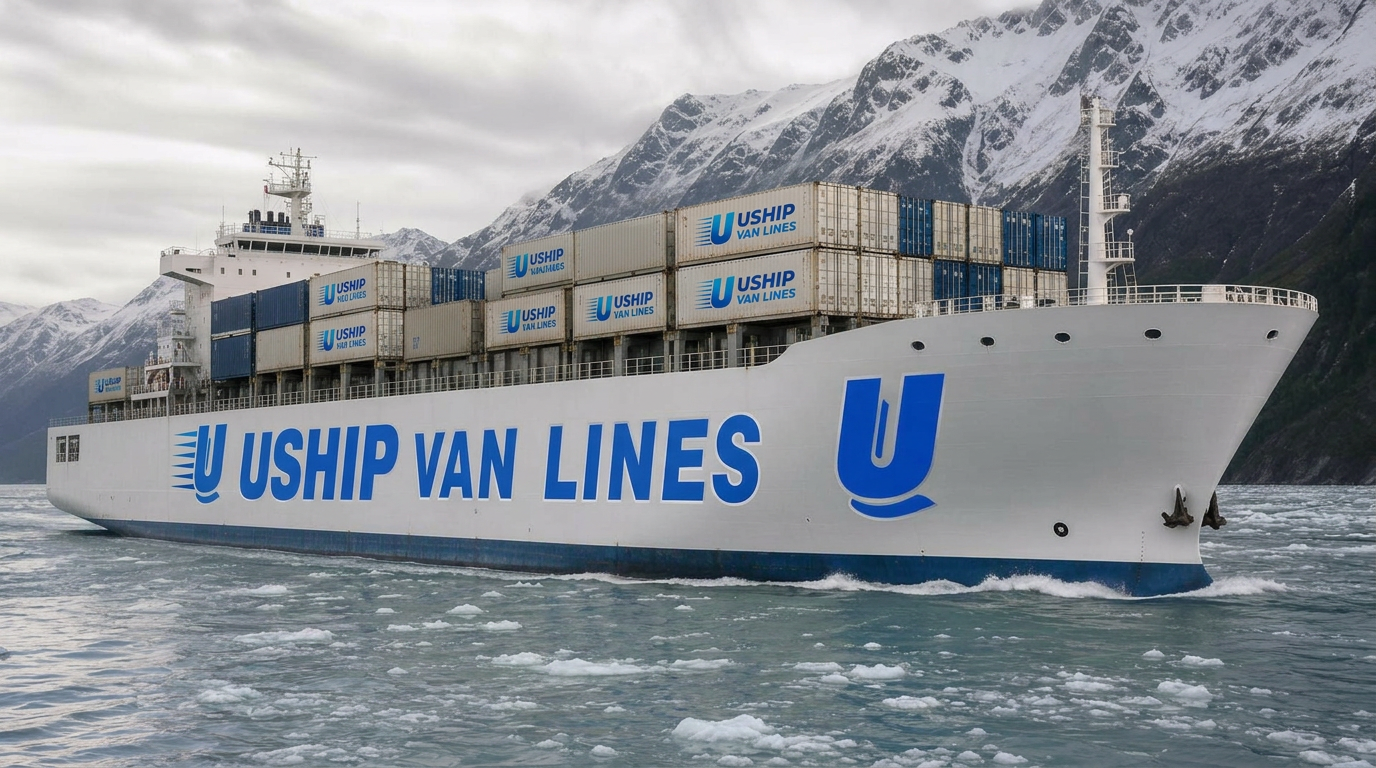
Moving from Alaska to Riverside, CA
Moving from Alaska to Riverside, CA combines marine transport, cross-country logistics, and careful planning to deliver your household across one of the continent's longest routes. Whether you're relocating from Anchorage, Fairbanks, or the Mat-Su Valley to Southern California's Inland Empire, this move requires specialized expertise in Alaska barge shipping, coordinated land transport, and navigating the unique challenges of non-contiguous state relocations.
Best Alaska & Hawaii Movers, powered by UShip Van Lines, manages every detail of your Alaska-to-California move—from final pickup at your Alaska residence through barge transport to the Port of Tacoma, overland transit through the Lower 48, and final delivery to your Riverside home. Request your free quote today to start planning your transition to California's sunshine with a team that understands Alaska's distinct moving requirements.
Route overview
Understanding the Alaska to Riverside Route
Your household goods travel approximately 2,500–2,800 miles from Alaska to Riverside, with the journey split into three distinct segments. The first leg involves pickup anywhere in Alaska—whether you're in urban Anchorage, interior Fairbanks, or communities along the Kenai Peninsula—with consolidation at the Port of Anchorage for barge shipping. The marine segment crosses the Gulf of Alaska to the Port of Tacoma, Washington, a 3–7 day voyage depending on weather and sailing schedules.
From Tacoma, your belongings transfer to overland carriers for the 1,200-mile journey down Interstate 5 through Oregon and into California, then east via Interstate 10 or State Route 60 into Riverside. This final leg typically takes 2–3 days under normal conditions. The entire door-to-door timeline generally spans 14–28 days, with seasonal variation based on Alaska marine weather, barge availability, and California road conditions.
Riverside's location in the Inland Empire—about 60 miles east of Los Angeles—means delivery into established residential neighborhoods, newer developments in Corona and Eastvale, or foothill communities. California's strict moving regulations and Riverside's warm, dry climate (a dramatic change from Alaska) require specific packing considerations, particularly for items sensitive to temperature extremes during the transition.
How the moving process works
How Your Alaska to Riverside Move Works
-
Initial Survey and Planning – We conduct a detailed virtual or in-person inventory of your Alaska residence, accounting for bulky items common to Alaska homes (outdoor gear, cold-weather equipment, generators) and assessing access challenges at both origin and destination. This determines cube footage, packing requirements, and optimal scheduling around Alaska barge sailings.
-
Pre-Barge Consolidation – Your belongings are picked up from your Alaska location and transported to our consolidation facility near the Port of Anchorage. For customers in Fairbanks, Mat-Su, or Kenai Peninsula communities, this first-mile service accounts for Alaska highway conditions and may require scheduling around weather windows.
-
Barge Loading and Marine Transport – Containerized shipments load onto Alaska Marine Highway barges or commercial freight vessels sailing to Tacoma. Your goods are secured in weather-tight containers that protect against saltwater exposure, temperature swings, and Gulf of Alaska sea conditions. Marine transit typically takes 3–7 days depending on vessel schedule and weather.
-
Port Processing in Tacoma – Upon arrival at the Port of Tacoma, containers are offloaded, cleared through documentation checks, and transferred to our partner long-haul carriers. This transload process usually completes within 1–2 business days, with shipments then staged for southbound departure.
-
Overland Transit to California – Tractor-trailers carry your shipment down the West Coast corridor via I-5, entering California through the northern border and continuing to the Southern California logistics hub. The route then proceeds east on I-10 or SR-60 into Riverside County, navigating the region's heavy traffic corridors.
-
Final Delivery Coordination – We contact you 48–72 hours before Riverside delivery to confirm access details, parking requirements, and any homeowners association regulations. Our delivery teams handle California's specific moving requirements, including COI (Certificate of Insurance) documentation many Riverside communities require.
-
Unpacking and Placement – Upon arrival at your Riverside residence, movers unload all items, place furniture according to your direction, and remove packing materials. We conduct a final walkthrough to ensure everything arrived as expected and address any immediate concerns before completing the delivery.
Estimated moving costs
What an Alaska to Riverside Move Costs
A typical 2–3 bedroom household moving from Alaska to Riverside generally ranges from $6,800 to $14,500, with most families spending $8,500–$11,000 depending on shipment volume, service level, and seasonal timing. This estimate reflects the multi-modal nature of Alaska moves—combining marine transport, cross-country trucking, and specialized handling.
Primary cost drivers include:
- Shipment volume – Measured in cubic feet or weight; Alaska homes often contain bulky outdoor equipment, cold-weather gear, and storage items that increase volume
- Barge freight charges – Marine segment pricing varies by sailing schedule, fuel surcharges, and seasonal demand (summer peak vs. winter off-peak)
- Alaska pickup location – First-mile transport from Fairbanks, Mat-Su, or Kenai communities to Anchorage consolidation points adds $800–$2,200
- Packing services – Professional packing for fragile items, specialized crating for artwork or electronics, and marine-grade protection typically add $1,200–$3,500
- Vehicle shipping – Cars shipped separately via auto carriers add $1,400–$2,800 per vehicle; vehicles cannot share household goods containers
- Storage – If Riverside delivery dates don't align with barge arrivals, warehouse storage in Tacoma or California costs $150–$400/month
- Access fees – Long carries from street parking to residence, stair carries, or elevator access in Riverside apartment complexes may incur additional charges
- Insurance coverage – Enhanced valuation protection beyond basic carrier liability costs 1–2% of declared shipment value
Off-season moves (October–March) can reduce costs by 15–25% compared to peak summer demand. We provide detailed, binding estimates that break down each cost component—never surprise charges at delivery.
Estimated transit times
Realistic Timeline for Your Move
Door-to-door transit from Alaska to Riverside typically requires 14–28 days, broken down across three distinct phases:
Phase 1: Alaska Pickup to Port Consolidation (1–5 days) – Homes in Anchorage may see same-day or next-day consolidation, while pickups in Fairbanks, Mat-Su (Wasilla/Palmer), or Kenai Peninsula communities require 2–5 days for highway transport to Anchorage staging facilities. Winter conditions or remote access can extend this window.
Phase 2: Barge Transit to Tacoma (3–7 days) – Marine crossing of the Gulf of Alaska depends on vessel schedule and weather. Summer sailings with calmer seas average 3–4 days, while winter crossings may take 5–7 days. Barge departures typically occur 1–3 times weekly during peak season, less frequently in winter.
Phase 3: Overland to Riverside (5–10 days) – This includes 1–2 days for Tacoma port processing and container transfer, then 2–3 days for the actual I-5 southbound drive to Southern California. Final delivery scheduling into Riverside adds 2–5 days depending on delivery appointment availability and carrier routing efficiency.
Seasonal variables: Summer moves (May–September) benefit from frequent barge sailings and optimal road conditions but face higher demand competition. Winter moves (November–March) may encounter barge schedule reductions, Alaska highway weather delays, and Sierra Nevada/Grapevine highway closures that extend timelines by 3–7 days. Spring (April–May) offers the most predictable weather windows, while fall (September–October) provides good conditions before winter sailing reductions begin.
We provide real-time tracking updates at each phase—barge departure notifications, Tacoma arrival confirmations, and 48-hour advance delivery windows for your Riverside address.
Regional logistics
Alaska-Specific Moving Logistics
Port Operations and Marine Requirements
All Alaska household goods ship through the Port of Anchorage via containerized barge service. Your belongings are loaded into 20-foot or 40-foot marine containers with moisture barriers, secured blocking and bracing, and weather seals designed for Gulf of Alaska conditions. Marine bills of lading require detailed inventories, and all shipments must clear basic documentation—no agricultural products, perishables, or hazardous materials can ship via barge under Alaska Marine Highway and commercial carrier regulations.
Vehicle Shipping Coordination
Personal vehicles cannot share household goods containers. Cars and trucks ship separately via auto carrier services, typically via the Anchorage-to-Seattle auto ferry or specialized car carriers that sail less frequently. Vehicle shipping adds 7–14 days to transit time and costs $1,400–$2,800 per vehicle. Alternatively, many customers drive the Alaska-Canada Highway (ALCAN) through Canada to the Lower 48—a 3,500+ mile journey taking 5–7 days of driving through remote territory.
Remote Alaska Pickups
Customers in Fairbanks (358 miles from Anchorage) require dedicated highway transport down the Parks Highway. Mat-Su Valley communities (Wasilla, Palmer) add 40–60 miles of transport. Kenai Peninsula locations (Soldotna, Homer, Seward) require 100–200 miles of pre-consolidation shipping. These first-mile services add both time and cost, particularly during winter months when highway conditions may require specialized equipment or weather windows. Bush communities not connected to the road system may require additional air or small-vessel freight to reach road-accessible consolidation points.
California Delivery Requirements
Riverside deliveries must comply with California moving regulations, which require licensed carriers, specific insurance documentation, and adherence to CPUC (California Public Utilities Commission) rules. Many Riverside HOAs and apartment complexes require advance notice, COI documentation, and reservation of loading areas or freight elevators. Our teams coordinate these requirements during the 48-hour pre-delivery contact window.
Packing for Extreme Climate Change
Alaska's cold, dry climate differs drastically from Riverside's hot, arid conditions. Electronics, wooden furniture, and leather goods may require acclimation after delivery to prevent warping or cracking. We recommend professional packing for sensitive items and climate-controlled storage if needed between barge arrival and final delivery during extreme summer heat.
Timeline Flexibility
Unlike Lower 48 to Lower 48 moves where transit times are highly predictable, Alaska barge moves require scheduling flexibility. Weather can delay sailings, extend crossings, or impact highway access. We recommend building 5–7 days of buffer around critical dates (lease expirations, job start dates, school enrollment deadlines) and maintaining essential items in personal luggage during air travel to Riverside.
Seasonal considerations
Planning Around Alaska Seasons and Barge Schedules
Summer (May–September): Peak Season Advantages
Alaska's summer offers maximum barge frequency with 2–3 weekly sailings from Anchorage to Tacoma, calm Gulf of Alaska conditions, and 20+ hours of daylight facilitating efficient loading operations. This is prime moving season for families relocating before school years and military PCS transfers, creating higher demand and 20–30% premium pricing. Book 6–8 weeks ahead to secure preferred dates. Riverside arrivals land during California's hottest months (July–September often exceeding 95°F), requiring climate consideration for temperature-sensitive items.
Fall (September–October): Optimal Window
Early fall provides reliable barge schedules before winter reductions, moderating Alaska weather, and decreasing demand as peak season ends. Pricing drops 10–15% after Labor Day while service frequency remains strong through mid-October. Riverside deliveries occur during pleasant Southern California autumn weather. This window offers the best balance of reliable logistics and cost efficiency.
Winter (November–March): Off-Peak Challenges and Savings
Barge sailings reduce to 1–2 per week or less during winter storms, and Gulf of Alaska crossings face rougher seas that can extend transit by 2–4 days. Alaska highway conditions—particularly the Parks Highway to Fairbanks or the Seward Highway to Kenai—may delay first-mile pickups. However, pricing drops 15–25% below peak rates, and lower demand means flexible scheduling. Winter moves work well for customers with flexible timelines who can absorb potential weather delays. Riverside winter deliveries coincide with California's rainy season, though precipitation remains light compared to Alaska.
Spring (March–May): Transition Period
Barge schedules ramp back up through spring, with increasing frequency by late April. Alaska breakup season (late April–early May) can create challenging road conditions as frost heaves and thaw damage affect highways, while shoulder-season pricing offers moderate savings. Riverside spring weather is ideal for moving, with comfortable temperatures and minimal precipitation. Book early as summer demand begins building in May.
Holiday Considerations: Avoid booking around Thanksgiving week, Christmas/New Year's (December 20–January 5), and Memorial Day/Independence Day weekends when both barge schedules and trucking availability face significant reductions.
Why choose Best Alaska & Hawaii Movers
Why Choose Best Alaska & Hawaii Movers for Your Alaska to Riverside Move
-
Alaska Marine Expertise – We specialize in non-contiguous state relocations, managing barge scheduling, port consolidation, and marine container logistics that generic moving companies don't handle. Our Anchorage partnerships ensure efficient Port of Anchorage operations and reliable sailing coordination.
-
Single-Source Accountability – From your Alaska doorstep through barge transit and final Riverside delivery, one team manages your entire move. No handoffs between multiple contractors, no communication gaps—just seamless coordination powered by UShip Van Lines' nationwide network.
-
Transparent Pricing with No Surprises – We provide detailed, binding estimates that itemize marine freight, overland transport, Alaska pickup fees, and all service costs. You'll never face unexpected charges at delivery or hidden surcharges disclosed only in fine print.
-
Real-Time Tracking and Communication – Receive notifications at every milestone: pickup completion, barge departure from Anchorage, Tacoma arrival, overland dispatch, and 48-hour delivery window confirmations. Our customer service team responds quickly to questions throughout the 2–4 week transit period.
-
California Compliance and Local Knowledge – Our Riverside delivery teams understand Southern California logistics, HOA requirements, parking challenges, and CPUC regulations. We handle the paperwork and coordination so your delivery day runs smoothly, even in complex apartment or gated community scenarios.
-
Flexible Scheduling Around Your Timeline – We work with your constraints—coordinating around Alaska lease terms, barge sailing schedules, and Riverside move-in dates. Need short-term storage while your new home completes escrow? We offer secure warehousing in Tacoma or Southern California at competitive rates.