
Moving from Alaska to Oregon
Moving from Alaska to Oregon means transitioning from the Last Frontier to the Pacific Northwest's lush valleys and vibrant cities like Portland, Eugene, and Salem. Whether you're relocating for career opportunities in Oregon's tech sector, seeking milder weather, or drawn to the state's craft culture and outdoor recreation, this route combines Alaska's unique barge shipping requirements with straightforward overland transport through the Pacific corridor.
The Alaska-to-Oregon move typically takes 10–18 days door-to-door and costs between $5,800–$11,500 for a standard 2–3 bedroom household, depending on your exact Alaska origin, final Oregon destination, shipment volume, and seasonal timing. Ready to start planning your move south? Request your personalized quote today to lock in logistics tailored to your timeline.
Route overview
Understanding the Alaska to Oregon Moving Route
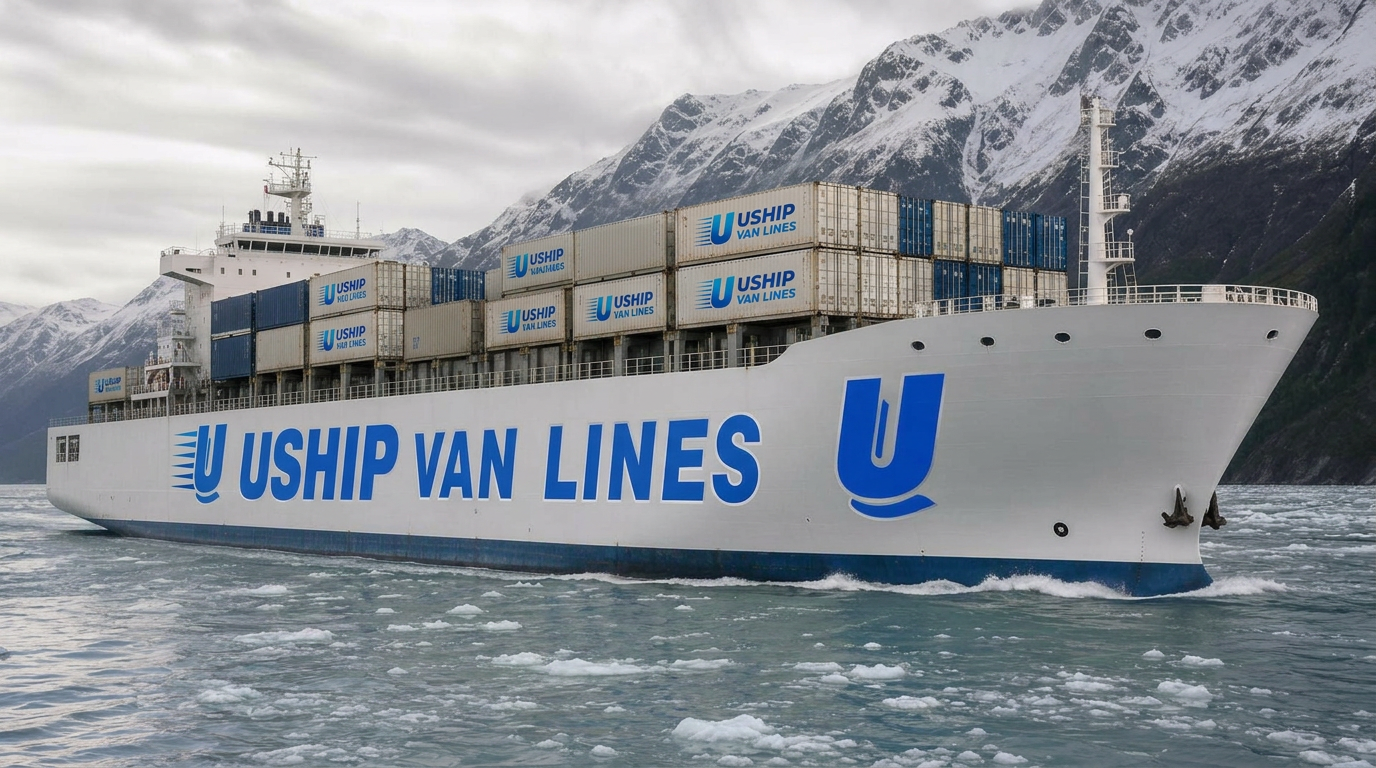
Your household goods travel via marine freight from Alaska's port system—typically the Port of Anchorage, though Whittier serves as an alternative for certain shipments—down to the Port of Tacoma in Washington State. From Tacoma, your belongings transfer to a long-haul truck for the final 150–300 mile journey into Oregon, whether you're heading to the Willamette Valley, coastal towns, or Central Oregon.
This hybrid route leverages the established Alaska Marine Highway feeder system and commercial barge services that connect Alaska to the Lower 48. Most shipments consolidate through Tacoma before continuing south on I-5 to Portland, Salem, Eugene, or west on Highway 26 to the coast. If you're moving from remote Alaska locations—Mat-Su Valley, Kenai Peninsula, or Interior communities like Fairbanks—your goods first travel overland to Anchorage for consolidation before the barge leg.
Oregon's diverse geography means your final delivery considerations vary significantly: Portland metro deliveries benefit from accessible neighborhoods and ample truck access, while moves to mountainous areas like Bend or coastal communities such as Astoria or Coos Bay may require specialized scheduling around weather and road conditions, particularly during winter months when mountain passes demand careful timing.
How the moving process works
Step-by-Step: How Your Alaska to Oregon Move Works
-
Initial Survey and Booking (6–8 weeks before moving date): Schedule an in-home or virtual inventory assessment so your moving coordinator can provide an accurate cubic footage estimate. For Alaska moves, early booking is critical—barge space is finite and summer slots fill months in advance.
-
Alaska Origin Pickup and Consolidation: Professional movers arrive at your Alaska home to pack (if you've selected full-service) and load your belongings. If you're outside Anchorage—in Fairbanks, Wasilla, Soldotna, or Homer—your shipment travels by truck to Anchorage for containerization and barge preparation, adding 1–3 days to your timeline.
-
Containerization and Port Processing: Your household goods are loaded into weather-sealed ocean containers (typically 20-foot or 40-foot units) at the Alaska port facility. Movers complete required documentation including customs paperwork if applicable, hazardous materials declarations, and marine bill of lading.
-
Barge Transit to Tacoma (7–10 days): Your container boards a commercial barge or TOTE vessel for the 1,400-nautical-mile voyage down the Inside Passage and across the Gulf of Alaska to Puget Sound. This leg is weather-dependent; winter storms or rare port delays can extend transit by 1–2 days.
-
Tacoma Port Offload and Truck Transfer (1–2 days): Once your container arrives at the Port of Tacoma, it's offloaded, cleared through port logistics, and transferred to a long-haul truck chassis for the Oregon delivery leg.
-
Overland Transport to Oregon (1–2 days): Your shipment travels south on I-5 or west via Highway 26/101 to your Oregon destination. Most Willamette Valley deliveries happen within 24 hours of leaving Tacoma; coastal or Central Oregon locations may require an additional day.
-
Final Delivery and Unload: The moving crew arrives at your Oregon home during your scheduled delivery window, unloads your container, and places items in designated rooms. Inspect for any damage (rare but possible with marine transport) and note issues on the delivery receipt for insurance claims if needed.
Estimated moving costs
What Does an Alaska to Oregon Move Cost?
For a typical 2–3 bedroom household (approximately 800–1,200 cubic feet), expect to pay $5,800–$11,500 for a full-service move from Alaska to Oregon. Studio and 1-bedroom moves run $3,500–$6,200, while larger 4-bedroom homes can reach $13,000–$18,000 or more.
Primary cost drivers include:
- Distance and origin complexity: Moving from Anchorage to Portland costs less than Fairbanks to Ashland due to the additional Alaska-side trucking and greater overall distance.
- Shipment volume: Marine freight pricing is calculated by cubic footage or container space. A partial container (shared space) costs less than a dedicated 20-foot unit, but limits your scheduling flexibility.
- Seasonal demand: May through September is peak Alaska moving season. Rates increase 20–35% compared to off-season (October–April) due to higher barge demand and weather-dependent scheduling.
- Packing services: Professional packing adds $800–$2,400 depending on home size and specialty items (antiques, art, fragile collections).
- Insurance coverage: Basic carrier liability (60 cents per pound) is included; full-value protection costs approximately 1–2% of your shipment's declared value.
- Vehicle shipping: Adding a car to your container costs $1,200–$2,500 extra, depending on vehicle size and whether it shares container space with household goods.
- Storage: If your Oregon home isn't ready, storage in Tacoma or Oregon costs $150–$400 per month depending on volume.
Always request a detailed written estimate that itemizes barge fees, trucking on both ends, packing materials, insurance, and any fuel surcharges. Avoid any mover who provides a quote without assessing your actual inventory.
Estimated transit times
How Long Does an Alaska to Oregon Move Take?
Plan for 10–18 days door-to-door for most Alaska to Oregon moves, broken down by segment:
- Alaska pickup to port delivery: 1–3 days (same-day in Anchorage; up to 3 days from Fairbanks, Kenai, or Mat-Su with consolidation time)
- Port staging and container loading: 1–2 days
- Barge transit Anchorage/Whittier to Tacoma: 7–10 days (occasionally 11–12 days during severe weather)
- Tacoma port offload and truck loading: 1–2 days
- Overland transport to Oregon: 1–2 days (Portland/Salem within 24 hours; Bend, coast, or southern Oregon may need 2 days)
Critical timing factors:
- Barge schedules: Commercial barges run 1–2 times weekly during peak season (May–September) but less frequently in winter. Missing a sailing can delay your shipment by 7–10 days.
- Weather disruptions: Winter storms in the Gulf of Alaska occasionally delay barge departures or slow crossings. Summer is the most reliable window for predictable schedules.
- Holiday blackouts: Avoid scheduling around Memorial Day, Fourth of July, and Labor Day—port operations slow and trucking capacity tightens.
- Alaska last-mile: If you're in a remote community requiring bush plane or ferry access for pickup, add 2–5 days to your timeline.
For the tightest timeline control, book your move 6–8 weeks out during off-season or 10–12 weeks ahead for summer relocations. Build in a 3–5 day buffer before you absolutely need your goods in Oregon—maritime logistics occasionally encounter unavoidable delays.
Regional logistics
Alaska-Specific Moving Logistics for Oregon Relocations
Port operations and marine freight
Most Alaska-to-Oregon shipments route through the Port of Anchorage, Alaska's primary commercial freight hub. Your moving company consolidates shipments into 20-foot or 40-foot ocean containers, which are loaded onto TOTE Maritime or Lynden barges for the Tacoma run. Whittier serves as an alternative port, especially for shipments originating on the Kenai Peninsula, though it operates on a more limited schedule. If you're in Southeast Alaska (Juneau, Ketchikan, Sitka), your shipment may use the Alaska Marine Highway System ferries to Prince Rupert or Bellingham before trucking to Tacoma.
Vehicle shipping considerations
Shipping your car alongside household goods is common and cost-effective—vehicles can share container space if properly secured and drained of fuel below safety thresholds. Alternatively, you can drive your vehicle south via the Alaska Highway through Canada (approximately 2,300 miles Anchorage to Seattle, typically 4–5 days of driving), though winter conditions make this challenging October through April. If you're shipping a vehicle separately via roll-on/roll-off service, it arrives in Tacoma on the same barge schedule, then gets driven or trucked to Oregon.
Customs and documentation
Alaska-to-Lower-48 moves don't require customs clearance since you're traveling within U.S. domestic borders. However, your mover will complete detailed inventory lists, marine bills of lading, and hazardous materials declarations (aerosols, cleaning products, propane tanks, ammunition, and gasoline must be removed from shipments). If you're driving through Canada with your vehicle, bring proof of vehicle ownership, valid insurance, and passport.
Last-mile considerations in Alaska
If you're moving from Fairbanks or the Interior, your goods travel approximately 360 miles south to Anchorage via the Parks Highway before containerization—budget 1–2 days for this leg. Mat-Su Valley (Wasilla, Palmer) adds a day. Kenai Peninsula locations (Soldotna, Homer, Seward) typically truck to either Anchorage or Whittier depending on barge schedules. Remote bush communities accessible only by air or seasonal road require special coordination: goods get flown to a hub like Anchorage, where they're consolidated with other shipments.
Oregon delivery logistics
Oregon's population concentrates in the Willamette Valley, making deliveries to Portland, Salem, Eugene, and Corvallis straightforward with excellent truck access via I-5. Coastal moves to Astoria, Newport, or Brookings require additional scheduling for Highway 101's winding routes. Central Oregon destinations like Bend or Redmond involve crossing the Cascades via Highway 26 or 97—plan carefully if moving November through April when snow closures occasionally occur. Southern Oregon (Medford, Ashland) adds 280 miles south of Portland, typically requiring an extra delivery day. Large moving trucks navigate most Oregon neighborhoods easily, but historic districts in Portland or narrow coastal streets may require shuttle trucks for the final block.
Seasonal considerations
Best Times to Move from Alaska to Oregon
Summer (May–September): Peak season with premium rates
Most Alaska residents move during the midnight sun months when weather is cooperative and school schedules align. Barge capacity is highest, but so are prices—expect rates 25–35% above winter baselines. Book 10–12 weeks ahead to secure your preferred dates. Advantages include minimal weather risk, predictable schedules, and easier last-mile access to remote Alaska properties. The downside: everyone else is moving too, so flexibility on exact dates helps.
Fall (October–November): Shoulder season sweet spot
Early fall offers moderate pricing and still-decent weather before winter storms intensify. Barge frequency begins declining after September, so you'll have fewer weekly sailing options, but rates drop 15–20%. This window works well if your Oregon housing is ready and you're not constrained by school start dates. Expect potential weather delays in late November as Gulf of Alaska storms ramp up.
Winter (December–March): Lowest rates but highest risk
Off-season moves save 30–40% compared to summer, but winter brings significant trade-offs. Barge sailings reduce to 1–2 per month, and severe weather can delay departures or extend crossings by several days. Alaska pickup from remote locations becomes challenging due to snow and ice. However, if you have storage flexibility in Oregon and want maximum savings, winter works—just build in a 5–7 day schedule buffer. Coastal Oregon delivers year-round; mountain destinations like Bend require careful timing around pass conditions.
Spring (April–early May): Unpredictable transition
Spring sees warming Alaska conditions but lingering winter storms at sea. Barge schedules increase in late April as operators prepare for summer. Pricing sits mid-range. The wildcard is weather—April Gulf of Alaska storms can be fiercer than January's. If you're flexible and can roll with a potential 2–3 day delay, spring offers decent value without peak-season crowds.
Why choose Best Alaska & Hawaii Movers
Why Best Alaska & Hawaii Movers for Your Alaska to Oregon Move
-
Alaska marine freight expertise: We specialize in the complex logistics of Alaska barge shipping, port coordination, and Lower 48 connections—this isn't a side service; it's what we do every day, powered by UShip Van Lines' vetted carrier network.
-
Transparent, itemized pricing: You'll receive a detailed written estimate breaking down barge fees, Alaska-side trucking, Oregon delivery, packing, insurance, and any additional services—no surprise charges at delivery.
-
End-to-end coordination: One point of contact manages your entire move from Alaska pickup through Tacoma transfer to final Oregon delivery. You're not juggling multiple companies or tracking your shipment across handoffs.
-
Flexible scheduling around barge sailings: We monitor Alaska barge schedules in real-time and book your shipment on the optimal sailing to meet your timeline while managing weather contingencies proactively.
-
Full-service options tailored to your needs: Choose from full-service packing, partial packing (fragiles and specialty items only), container loading supervision, vehicle shipping add-ons, and temporary storage solutions in Tacoma or Oregon if your housing timeline shifts.
-
Proven Pacific Northwest delivery network: Our Oregon partners know the state's geography inside and out—from navigating Portland's bridges to timing Cascade mountain passes to accessing remote coastal properties safely and efficiently.