
Moving from Alaska to El Paso, TX
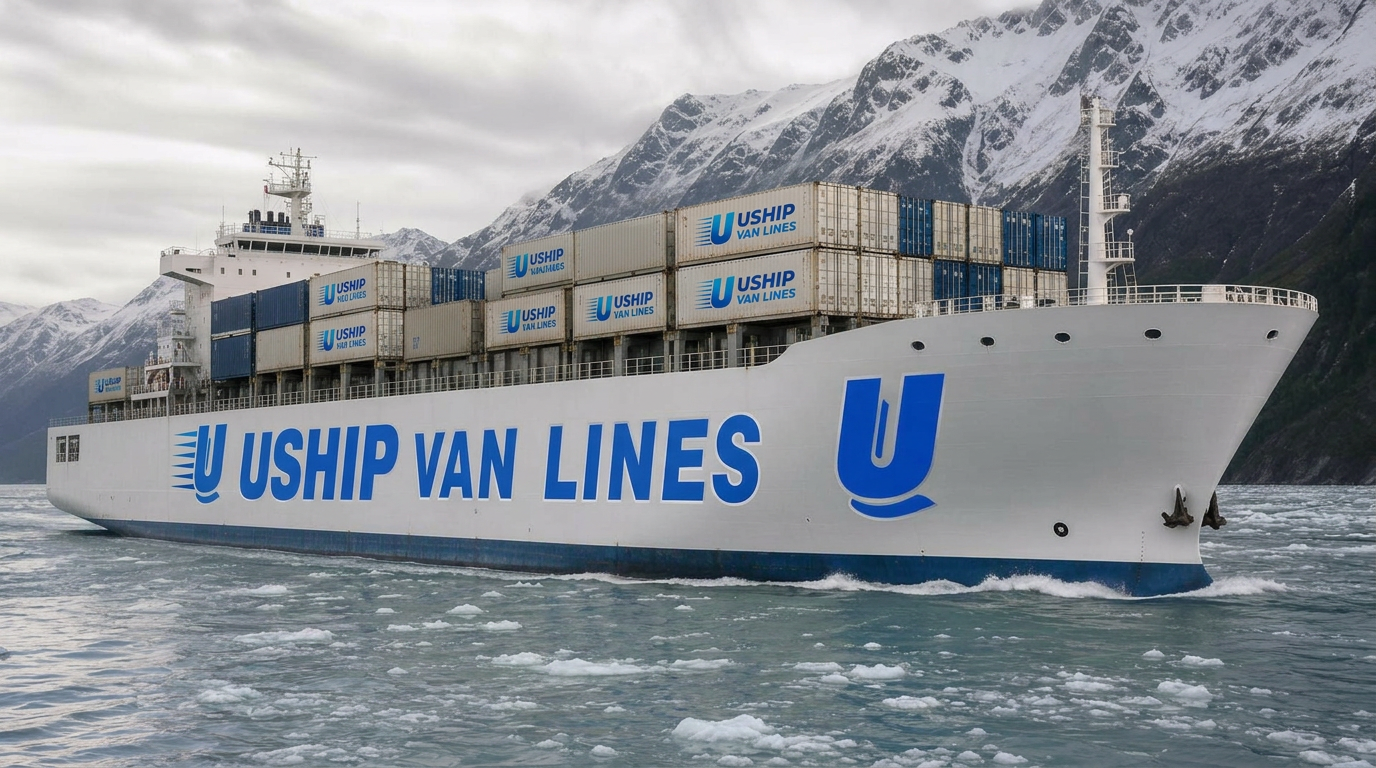
Relocating from Alaska to El Paso represents one of the longest domestic moves you can make—spanning over 3,500 miles from the Last Frontier to the westernmost tip of Texas. This cross-continental journey combines marine freight through the Port of Anchorage or Tacoma with overland trucking through the Mountain West, delivering your household goods to the Sun City's desert landscape.
Best Alaska & Hawaii Movers, powered by UShip Van Lines, specializes in these complex Alaska-to-Lower 48 relocations. Whether you're leaving Anchorage, Fairbanks, the Mat-Su Valley, Kenai Peninsula, or remote bush communities, we coordinate every leg—from last-mile pickup in Alaska through barge transit and final delivery to your El Paso doorstep. Ready to start planning your move? Request a free, no-obligation quote tailored to your specific route and household size.
Route overview
Understanding the Alaska-to-El Paso Moving Route
The Alaska-to-El Paso corridor requires multimodal transportation expertise. Most household goods depart via the Port of Anchorage aboard scheduled container barges operated by carriers like Totem Ocean Trailer Express or Alaska Marine Lines, traveling south to Tacoma, Washington. For moves originating in Southeast Alaska communities (Juneau, Ketchikan, Sitka), the Alaska Marine Highway System may provide alternative routing. Once containerized freight reaches Tacoma, it's transferred to over-the-road trucks for the 1,900-mile journey through Washington, Idaho, Utah, Nevada, Arizona, and New Mexico before arriving in El Paso.
El Paso sits at the intersection of Texas, New Mexico, and Mexico—a desert city at 3,800 feet elevation with a population approaching 700,000. The city's dry climate, sprawling layout, and proximity to Fort Bliss military installation make it a popular destination for retirees, military families, and professionals seeking lower cost of living. Unlike Alaska's challenging terrain and seasonal port access, El Paso offers year-round accessibility via Interstate 10 and direct transcontinental trucking routes, simplifying the final delivery phase of your move.
This route typically requires 3–5 weeks door-to-door during peak summer season, with winter moves potentially extending to 5–7 weeks depending on barge schedules and weather delays in the Pacific Northwest and Mountain West passes. Understanding the timing and logistics of each segment helps you plan temporary housing, vehicle shipping, and travel arrangements around your household goods delivery window.
How the moving process works
The Step-by-Step Alaska-to-El Paso Moving Process
1. Initial Survey and Quote Your move begins with a detailed inventory assessment—either virtual video survey or in-home walkthrough if you're in Anchorage or Fairbanks metro areas. We calculate cubic footage, identify specialty items (pianos, gun safes, artwork), and assess access challenges at both origin and destination. Mat-Su and Kenai homes on private roads or bush locations requiring float plane/boat access get special logistical evaluation.
2. Alaska Pickup and Consolidation On your scheduled pickup date, professional movers arrive to pack (if you've selected full-service packing) and load your belongings into a container or dedicated truck compartment. For Anchorage/Fairbanks/Wasilla metro moves, this happens at your residence. Remote locations may require intermediate consolidation—your goods are transported to Anchorage or another hub for containerization. We handle all load securement for marine transit.
3. Barge Transit to Tacoma Your container is delivered to the Port of Anchorage and loaded aboard the next available southbound barge—typically weekly sailings during summer, less frequent in winter. The ocean voyage to Tacoma takes 4–6 days under normal conditions. Your shipment clears U.S. Customs (standard for Alaska-to-Lower 48 moves) and is offloaded at the Tacoma terminal for inspection and truck transfer.
4. Overland Transportation Once cleared in Tacoma, your container or freight is loaded onto a long-haul truck for the cross-country journey. The route typically follows I-90 east through Washington and Idaho, then I-84/I-15 through Utah and Nevada before connecting to I-10 in Arizona and continuing to El Paso. This segment takes 3–5 days of drive time, though scheduling and any required consolidation with other shipments may extend the timeline.
5. El Paso Delivery Your driver contacts you 24–48 hours before El Paso arrival to schedule delivery. On delivery day, the crew unloads all items, places furniture in designated rooms, and reassembles any pieces disassembled for transit. You'll complete a delivery inventory checklist, noting any damages or missing items for insurance claims. We recommend being present for delivery or designating a trusted representative.
6. Vehicle and Final Details If you're shipping a vehicle separately (common for Alaska moves), auto transport typically takes 2–3 weeks via dedicated car carrier from Anchorage to El Paso. We coordinate vehicle shipping as an add-on service. Alaska residents should update vehicle registration, driver's license, and voter registration with Texas authorities within required timeframes—typically 30–90 days of establishing residency.
7. Post-Move Support After delivery, our team remains available for insurance claim assistance, missing item traces, or damage resolution. We maintain detailed shipment documentation and work with carriers to resolve any issues promptly. Your satisfaction on this complex long-distance move is our priority.
Estimated moving costs
What Does an Alaska-to-El Paso Move Cost?
Moving costs for the Alaska-to-El Paso route typically range from $6,500 to $14,000 for a standard 2–3 bedroom household (approximately 7,000–10,000 pounds or 800–1,200 cubic feet). This estimate reflects the complexity of multimodal transportation and the exceptional distance involved.
Key cost drivers include:
- Volume and weight: Alaska moves are priced primarily by cubic footage or weight. A studio/1-BR might cost $4,000–$6,500; a 4-BR home with garage items can exceed $16,000–$20,000.
- Barge freight: Marine shipping from Anchorage to Tacoma represents a substantial portion of total cost—often $2,500–$5,000 depending on container size and season. Summer peak-season surcharges may apply June–August.
- Overland trucking: The 1,900-mile Tacoma-to-El Paso leg adds $2,000–$4,000 depending on whether your shipment moves on a dedicated truck or consolidated with other freight.
- Last-mile Alaska access: Remote pickups in bush communities, Kenai Peninsula off-road locations, or winter-only ice road access incur additional fees—sometimes $500–$2,000+ for small aircraft, boat, or specialized equipment.
- Packing services: Professional full-service packing adds $800–$2,500 depending on home size. Fragile-only or partial packing reduces this cost. DIY packing saves money but requires proper materials and technique for barge-safe loading.
- Storage: If barge schedules or your El Paso housing readiness don't align, temporary storage in Anchorage or Tacoma costs $150–$400/month for typical household volumes.
- Insurance: Basic carrier liability (60 cents/pound) is included; full-value replacement coverage costs 1–3% of declared shipment value (recommended for high-value households).
- Vehicle shipping: Adding a vehicle to your move costs $1,800–$3,200 Anchorage to El Paso, depending on vehicle size and season.
These figures are estimates based on typical moves—your actual cost will be determined by your specific inventory, service level, and timing. We provide detailed written quotes with no hidden fees after completing your inventory survey.
Estimated transit times
How Long Does an Alaska-to-El Paso Move Take?
Door-to-door transit time for Alaska-to-El Paso moves typically ranges from 3 to 7 weeks, with variability driven by barge schedules, weather, and seasonal demand.
Timeline breakdown:
- Alaska pickup to port delivery: 1–3 days for Anchorage/Fairbanks metro areas; up to 5–7 days for remote communities requiring consolidation or weather-dependent bush access.
- Port wait time: 1–7 days depending on next available barge sailing. Summer sees weekly or twice-weekly departures; winter may have 10–14 day gaps between sailings.
- Barge transit (Anchorage to Tacoma): 4–6 days under normal sea conditions. Winter storms in the Gulf of Alaska can add 1–3 days.
- Tacoma processing and truck loading: 2–4 days for customs clearance, offloading, inspection, and transfer to overland carrier.
- Overland transit (Tacoma to El Paso): 5–8 days including drive time and any required rest stops. Direct dedicated trucks move faster; consolidated shipments may take longer if other deliveries occur en route.
- Delivery scheduling: 1–3 days for final coordination and appointment setting with you in El Paso.
Fastest possible scenario: Summer move with immediate barge availability, no weather delays, and dedicated trucking can complete in 18–21 days.
Longest typical scenario: Winter move during slow barge season, storm delays, and consolidated trucking may extend to 6–7 weeks.
We provide GPS tracking and regular status updates throughout your move, so you're never in the dark about your shipment's location. Plan temporary housing and travel accordingly—most clients fly to El Paso 1–2 weeks after their Alaska pickup date and stay in short-term lodging until delivery confirmation.
Regional logistics
Alaska-Specific Moving Logistics
Port and Marine Freight: The Port of Anchorage handles the majority of Alaska-to-Lower 48 household goods shipments. Your containerized goods are secured in 20-foot or 40-foot marine containers or loaded into truck trailers that roll directly onto barge vessels (RORO—roll-on/roll-off). Totem Ocean Trailer Express and Alaska Marine Lines provide scheduled service, though sailing frequency varies by season. Southeast Alaska moves may utilize the Alaska Marine Highway ferry system with vehicle/freight deck space, particularly from Juneau, Ketchikan, or Sitka. All shipments pass through U.S. Customs as Alaska is treated similarly to Hawaii for customs purposes, though this is typically a formality for household goods.
Last-Mile Alaska Challenges: Anchorage, Fairbanks, Wasilla, and Palmer offer straightforward truck access similar to Lower 48 cities. However, much of Alaska is off the road system entirely. Kenai Peninsula locations on unpaved roads, Mat-Su homesteads on private drives, and bush communities accessible only by air or water require specialized last-mile logistics. Small aircraft (Cessna Caravan, Twin Otter) can transport limited freight to villages like Bethel, Kotzebue, or Nome—but costs are substantial ($1–$3 per pound). Boat or barge access to coastal villages depends on weather and tide. Winter ice roads open temporary surface routes but have strict weight limits and short operating windows. We coordinate these complex pickups with specialized Alaska carriers who have equipment and expertise for frontier logistics.
Vehicle Shipping: Most Alaska residents drive the Alaska Highway to the Lower 48 or ship vehicles via dedicated auto transport. Driving from Anchorage to El Paso (approximately 4,000 miles via Alaska Highway–Canada–I-15/I-10) takes 6–8 days of hard driving and requires Canadian entry documentation, winter-capable vehicle preparation, and substantial fuel and lodging costs ($1,500–$2,500). Professional vehicle shipping via enclosed or open car carrier costs $1,800–$3,200 and takes 2–3 weeks, including barge time. Vehicles ship on the same Tacoma-bound barges as household goods, then transfer to car carriers for overland transport. We can coordinate vehicle shipping as an add-on service, handling all paperwork and scheduling.
Documentation and Regulations: Alaska-to-Texas moves require customs forms (even though both are U.S. states), detailed household goods inventories for barge carriers, and vehicle shipping documentation if applicable. You'll need to update your driver's license (within 90 days of establishing Texas residency), vehicle registration (30 days), and voter registration. Texas has no state income tax (like Alaska), making the financial transition smoother. Military members relocating to/from Fort Bliss should coordinate with base transportation offices for any DoD moving benefits or requirements.
Storage Options: If your El Paso home isn't ready when your shipment arrives, or if barge timing doesn't align with your schedule, we offer secure storage in Anchorage (pre-shipment) or Tacoma/El Paso (in-transit or post-shipment). Climate-controlled units are available for sensitive items, though El Paso's dry desert climate is less demanding than humid regions. Storage typically costs $150–$400/month depending on volume.
El Paso Delivery Considerations: El Paso's sprawling layout covers over 250 square miles with neighborhoods ranging from central historic districts to newer developments in East El Paso and the West Side near the Franklin Mountains. Most residential areas offer excellent truck access, though some mountain foothill properties have steep driveways requiring shuttle trucks. Military families moving to Fort Bliss should confirm on-base housing move-in dates and any required gate access documentation. El Paso's desert environment means minimal weather delays on delivery day—rain is rare, and snow even rarer.
Seasonal considerations
Best Times to Move from Alaska to El Paso
Summer (May–August): Peak moving season with most frequent barge sailings (often weekly), optimal weather in both Alaska and along the overland route, and most crew availability. However, this is also when rates are highest—expect 10–20% premium pricing and tighter scheduling. Book 6–8 weeks in advance. El Paso's summer heat (routinely exceeding 100°F June–August) means your delivery crew will be working in extreme conditions, but this doesn't typically delay moves. Alaska's midnight sun and dry weather make loading easier, and mountain passes are snow-free.
Fall (September–October): Excellent shoulder season with lower demand, better pricing (5–15% below summer peak), and still-reliable barge schedules. Weather remains favorable in Alaska through September, though October can bring early snows. Mountain passes along the I-15/I-84 corridor begin seeing weather systems but remain passable. El Paso's fall weather is ideal—mild temperatures and minimal precipitation. Book 4–6 weeks ahead.
Winter (November–March): Slowest and most unpredictable season. Barge sailings reduce to every 10–14 days or longer; storms in the Gulf of Alaska and North Pacific routinely delay vessels 2–4 days. However, winter moves offer the lowest rates—often 15–25% below summer pricing. Mountain pass closures (Snoqualmie, Donner, etc.) can delay trucking by 1–3 days. Alaska pickups in rural areas may be impossible during deep winter due to road conditions. Best for flexible timelines and budget-conscious movers. El Paso's mild desert winter (daytime highs 50–60°F) means delivery conditions are comfortable.
Spring (April–May): Transition season with increasing barge frequency, improving weather, and moderate pricing. April can still see late-season Alaska snowstorms and Pacific storms, but by May conditions normalize. This is an underutilized window with good availability and reasonable rates. Book 4–6 weeks out.
Alaska-specific factors: Freeze-up and breakup seasons affect bush and remote community access. Many off-road locations are accessible only by ice road (January–March) or after ground thaws and dries (June–August). Coastal communities with barge service have different seasonality than interior regions. Consult with our team about your specific Alaska origin point's seasonal access patterns.
Why choose Best Alaska & Hawaii Movers
Why Choose Best Alaska & Hawaii Movers for Your Alaska-to-El Paso Relocation
-
Alaska Specialists: We focus exclusively on Alaska and Hawaii moves, giving us deep expertise in marine freight logistics, barge scheduling, customs procedures, and the unique challenges of Last Frontier relocations. Our team understands Port of Anchorage operations, bush community access, and seasonal factors that general moving companies miss.
-
Multimodal Coordination: Your Alaska-to-El Paso move involves ocean barge, overland trucking, and potentially air/boat last-mile service. We coordinate every carrier, every transfer point, and every timeline detail—so you have one point of contact instead of juggling multiple companies. Powered by UShip Van Lines' nationwide network, we ensure seamless handoffs and accountability.
-
Transparent Pricing: We provide detailed written quotes breaking down barge costs, trucking fees, accessorial charges, and optional services. No hidden fees, no surprises at delivery. Our estimates reflect realistic Alaska moving costs based on years of experience on this exact route.
-
Real-Time Tracking: From Alaska pickup through Tacoma processing to El Paso delivery, you'll receive regular status updates and GPS tracking information. Our customer service team is available to answer questions and provide ETAs throughout your 3–7 week journey.
-
Comprehensive Insurance Options: We offer multiple coverage levels from basic carrier liability to full-value replacement protection, ensuring your belongings are protected through every leg of this complex multimodal move. Claims support is included if any issues arise.
-
Flexible Scheduling: We work around barge sailing schedules, your housing timeline, and seasonal constraints to find the optimal moving window. Whether you need summer speed or winter savings, we'll build a plan that fits your needs and budget.