
Moving from Alaska to Atlantic City, NJ
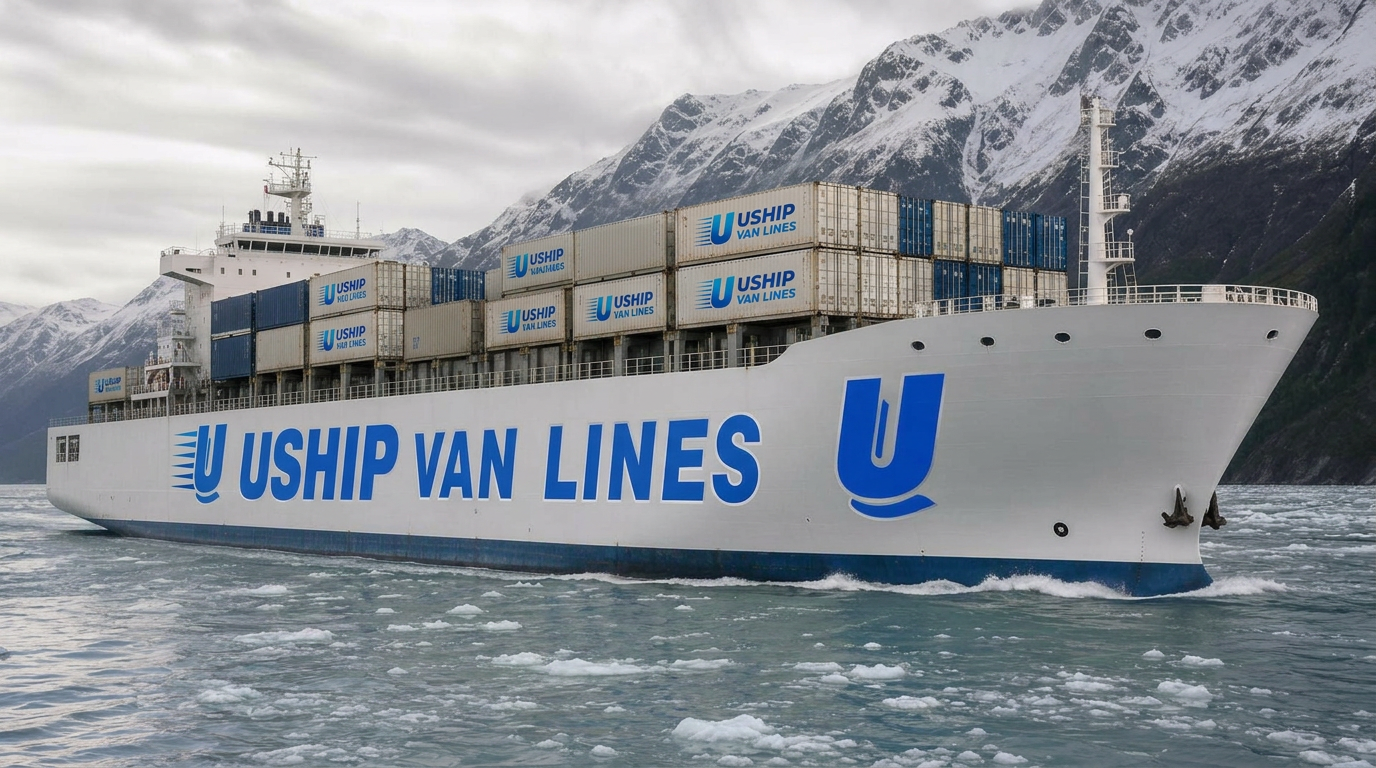
Moving from Alaska to Atlantic City, NJ presents unique logistical challenges that few moving companies understand. Your belongings must travel by barge from Alaska to the Port of Tacoma, then cross the continental United States by truck to reach New Jersey's famous resort city. This approximately 4,500-mile journey requires specialized coordination, seasonal planning, and expertise in Alaska's maritime shipping requirements.
Best Alaska & Hawaii Movers, powered by UShip Van Lines, specializes in these complex Alaska-to-Lower 48 relocations. Whether you're leaving Anchorage, Fairbanks, the Mat-Su Valley, or the Kenai Peninsula for Atlantic City's boardwalk lifestyle, we coordinate every leg of your journey. Ready to start planning? Request a detailed moving quote today to receive a customized timeline and cost breakdown for your specific route.
Route overview
The Alaska to Atlantic City Moving Route
Your move from Alaska to Atlantic City follows a carefully orchestrated multi-modal route. Household goods are first transported to either the Port of Anchorage or Whittier, where they're loaded onto barges bound for the Port of Tacoma in Washington State. This maritime leg typically takes 5–7 days depending on weather and sailing schedules. Once your shipment clears customs and port operations in Tacoma, it's transferred to a long-haul truck for the cross-country journey.
From Tacoma, your belongings travel east through Washington, Idaho, Montana or Wyoming, across the northern tier or central corridor, through states like South Dakota, Iowa, Illinois, Indiana, Ohio, Pennsylvania, and finally into New Jersey. The overland portion covers approximately 2,800 miles and takes 5–7 days of road time. Atlantic City sits on Absecon Island along New Jersey's southeastern coast, accessed via the Atlantic City Expressway, making final delivery straightforward once your shipment reaches the Garden State.
Total door-to-door transit typically ranges from 14–24 days, with timing heavily influenced by barge sailing schedules, weather conditions in both Alaska and across the continental route, and seasonal demand. Winter moves face the most variables, while summer relocations generally offer more predictable schedules and faster transits.
How the moving process works
How Your Alaska to Atlantic City Move Works
-
Initial Survey and Planning (4–8 weeks before move date): Schedule an in-home or virtual assessment of your inventory. We'll document what's moving, identify items requiring special handling, and discuss Alaska's specific barge scheduling requirements. Book early—Alaska moves require more lead time than typical relocations due to limited barge capacity.
-
Pre-Barge Preparation (1–2 weeks before pickup): Professional packers arrive at your Alaska residence to prepare your belongings for the maritime journey. Items are wrapped, boxed, and secured using ocean-transit standards—more robust than standard moving protocols. Temperature-sensitive items, hazardous materials, and perishables are identified for alternative handling or disposal.
-
Alaska Pickup and Port Transport: Our crew loads your household goods and transports them to either Anchorage or Whittier for barge loading. Containers are sealed and documented for customs clearance. If you're shipping a vehicle, it's processed separately but can travel on the same barge schedule.
-
Maritime Transit to Tacoma (5–7 days): Your shipment sails from Alaska to Washington State. Barges run on fixed schedules—typically weekly during summer, less frequently in winter. This leg is weather-dependent; storms in the Gulf of Alaska can add 1–3 days to sailing time.
-
Port Processing and Truck Transfer (2–4 days): Once the barge docks in Tacoma, your shipment clears port operations and customs inspection. Items are offloaded, inspected for any maritime transit damage, and transferred to a long-haul moving truck bound for the East Coast.
-
Cross-Country Transport (5–7 days): Your truck travels the northern or central interstate corridor to New Jersey. Drivers follow strict Department of Transportation regulations, including mandatory rest periods. Real-time tracking keeps you informed of your shipment's progress across the country.
-
Final Delivery in Atlantic City: Upon arrival in Atlantic City, our crew unloads your belongings, places furniture, and removes packing materials. We conduct a thorough inventory check and address any delivery concerns before completing your move.
Estimated moving costs
What Does Moving from Alaska to Atlantic City Cost?
A typical 2–3 bedroom household move from Alaska to Atlantic City generally ranges from $8,500 to $16,000, depending on multiple factors. Studio or 1-bedroom moves may cost $5,500–$8,500, while larger 4+ bedroom homes can exceed $18,000–$25,000. These estimates reflect the full-service experience: professional packing, barge transport, cross-country trucking, and delivery.
Primary cost drivers include:
- Volume and weight: Alaska moves are priced primarily by cubic feet or weight. A typical 3-bedroom home contains 800–1,200 cubic feet of household goods.
- Barge fees: Maritime transport from Alaska adds $2,500–$5,000 to your total compared to Lower 48 moves. Port fees, container handling, and customs processing contribute to this cost.
- Distance: The 4,500+ mile journey requires significant fuel, labor, and time. Cross-country trucking from Tacoma to Atlantic City alone represents 2,800 miles.
- Seasonal timing: Summer moves (May–September) face higher demand and premium pricing. Winter moves may cost 10–20% less but face scheduling constraints due to reduced barge frequency.
- Packing services: Full professional packing adds $1,200–$2,500 for a typical household. Ocean-transit packing requires extra materials and time compared to standard moves.
- Access challenges: Difficult pickup or delivery locations (rural Alaska, apartment high-rises in Atlantic City) increase labor costs.
- Insurance coverage: Full-value protection costs approximately 1–2% of your shipment's declared value. Basic carrier liability is included but offers minimal protection.
Vehicle shipping from Alaska to New Jersey adds $2,200–$3,800 per car (via the same barge route plus overland transport). Request a detailed quote to receive pricing specific to your inventory, timing, and service preferences. We never guarantee prices without a thorough inventory assessment.
Estimated transit times
Realistic Timeline: Alaska to Atlantic City
Expect 14–24 days door-to-door for your Alaska to Atlantic City move, though this window varies by season and specific origin location. Here's how the timeline breaks down:
Alaska pickup to barge departure: 1–3 days. Your goods are collected and transported to the port, then staged for the next available sailing. If you're in rural Alaska (Kenai, Mat-Su Valley, or beyond), add extra time for last-mile transport to Anchorage or Whittier.
Barge transit (Alaska to Tacoma): 5–7 days under normal conditions. Summer sailings are often faster and more frequent (weekly schedules). Winter and shoulder seasons may have less frequent sailings (every 10–14 days), and storms in the Gulf of Alaska can add 1–3 days to crossing time.
Port processing in Tacoma: 2–4 days. Your shipment must clear the port, undergo customs inspection, and be transferred from maritime containers to over-the-road trucks. Busy port periods (summer) may extend this window.
Cross-country trucking (Tacoma to Atlantic City): 5–7 days of active driving time. Drivers follow Department of Transportation hours-of-service regulations, requiring rest breaks. Weather delays (winter snowstorms in the Rockies or Midwest) can add 1–3 days.
Total typical timeline: Add all segments plus 1–2 buffer days, and most Alaska to Atlantic City moves complete in 16–20 days during optimal conditions. Allow 3–4 weeks for conservative planning, especially for winter relocations or if you're moving from remote Alaska locations beyond the Anchorage/Mat-Su area.
Regional logistics
Alaska-Specific Moving Logistics
Port Operations and Documentation: Your move requires customs documentation even though you're traveling within the United States. Alaska is separated from the Lower 48, so maritime shipping regulations apply. We handle the paperwork—bills of lading, container seals, customs forms—but you'll need to provide proof of ownership for high-value items (jewelry, artwork, collectibles) and cannot ship hazardous materials (ammunition, fuel, propane, certain chemicals).
Vehicle Shipping: If you're shipping a car, truck, or motorcycle, it travels on the same barge but in a vehicle deck rather than a container. Vehicles must be clean (no mud or soil—Alaska's strict biosecurity), drained to 1/4 tank fuel or less, and emptied of personal belongings. Vehicle shipping adds 1–2 days to your timeline due to separate processing. You can typically drive your vehicle to the port yourself or pay for transport from your door.
Last-Mile Alaska Considerations: If you're moving from outside Anchorage—Fairbanks, Wasilla, Palmer, Soldotna, Homer, or bush communities—factor in last-mile logistics. Remote pickups require specialized equipment and add 1–3 days to your schedule. Winter ice roads, seasonal road closures, and ferry dependencies affect timing. Some bush locations may require multiple-stage pickups using smaller trucks or even air freight for the final leg.
Container vs. Shared Load: Full container loads (20-foot or 40-foot) offer the most protection and fastest service but cost more. Consolidated (shared) shipments reduce costs by 20–30% but add 3–7 days to transit time while your shipment waits for a full container. For Atlantic City delivery, shared loads are common and cost-effective for smaller households.
Storage Options: If your barge schedule and Atlantic City housing availability don't align, we offer storage at both ends. Tacoma warehouse storage (after barge arrival, before trucking) and New Jersey storage (if your Atlantic City residence isn't ready) are available. Storage typically costs $150–$400 per month depending on volume.
Items That Don't Ship Well: Alaska moves cannot accommodate plants (USDA restrictions), perishable foods, ammunition or firearms (separate regulated shipping required), hazardous materials, or irreplaceable items without proper insurance riders. Ship important documents, medications, and valuables in your personal luggage rather than the moving truck.
Seasonal considerations
Best Times to Move from Alaska to Atlantic City
Summer (May–September): Peak moving season offers the most reliable schedules and fastest transits. Barge sailings run weekly, weather is favorable in both Alaska and across the continental route, and road conditions are optimal. However, demand drives prices 15–25% higher than off-season, and you'll need to book 6–8 weeks in advance to secure your preferred dates. Alaska's short summer construction season can cause local road delays.
Fall (October–November): Shoulder season provides a good balance. Barge schedules remain fairly frequent through October, prices begin to drop, and cross-country weather is generally manageable. Book 4–6 weeks ahead. Be aware that late November moves risk early winter storms in both Alaska and the mountain states along your route.
Winter (December–March): Off-season moves cost 10–20% less and face minimal booking competition. However, barge sailings become less frequent (every 10–14 days or longer), Gulf of Alaska storms can delay sailings, and winter road conditions across the northern tier require flexible delivery windows. Ice road closures in Alaska can affect pickup accessibility in remote areas. If you're moving from Fairbanks or the Interior, extreme cold may require special equipment and add costs. Allow 4–5 weeks for winter moves and build buffer time into your plans.
Spring (April–May): Transition season as services ramp up. Early April still carries winter risks; late May approaches summer pricing. Barge schedules increase in frequency. Spring breakup in Alaska can make some rural roads temporarily impassable—coordinate carefully if you're outside main population centers. This can be an ideal window for cost-conscious movers willing to navigate variable weather.
Regardless of season, book as early as possible. Alaska's limited barge capacity fills quickly, and you'll want to coordinate your move with housing timelines on both ends.
Why choose Best Alaska & Hawaii Movers
Why Best Alaska & Hawaii Movers for Your Alaska to Atlantic City Move
-
Alaska Specialty Expertise: We focus exclusively on Alaska and Hawaii relocations, understanding the unique barge schedules, port operations, weather variables, and documentation requirements that typical nationwide movers don't handle regularly. Our team knows the difference between moving from Anchorage versus Fairbanks versus Kenai—and prices accordingly.
-
Full-Service Coordination: You work with a single point of contact who manages every leg—Alaska pickup, barge booking, port transfers, cross-country trucking, and Atlantic City delivery. No handoffs between multiple companies means fewer communication breakdowns and clearer accountability.
-
Transparent Pricing: We provide detailed, itemized quotes showing exactly what you're paying for: packing materials, labor hours, barge fees, fuel surcharges, insurance options. Request a quote and receive a clear breakdown—no hidden fees discovered at delivery.
-
Flexible Scheduling: We understand Alaska's seasonal constraints and help you navigate barge availability, weather windows, and booking lead times. Our relationships with maritime carriers and trucking partners give you access to multiple sailing options and route flexibility.
-
Powered by UShip Van Lines: Our partnership with UShip Van Lines provides the nationwide trucking network and technology infrastructure to track your shipment across 2,800 miles from Tacoma to Atlantic City while maintaining our Alaska-focused service quality.
-
Real-Time Communication: Track your shipment online and receive updates at each milestone—barge departure, Tacoma arrival, truck dispatch, and estimated Atlantic City delivery. Our customer service team is available to answer questions throughout your move.