
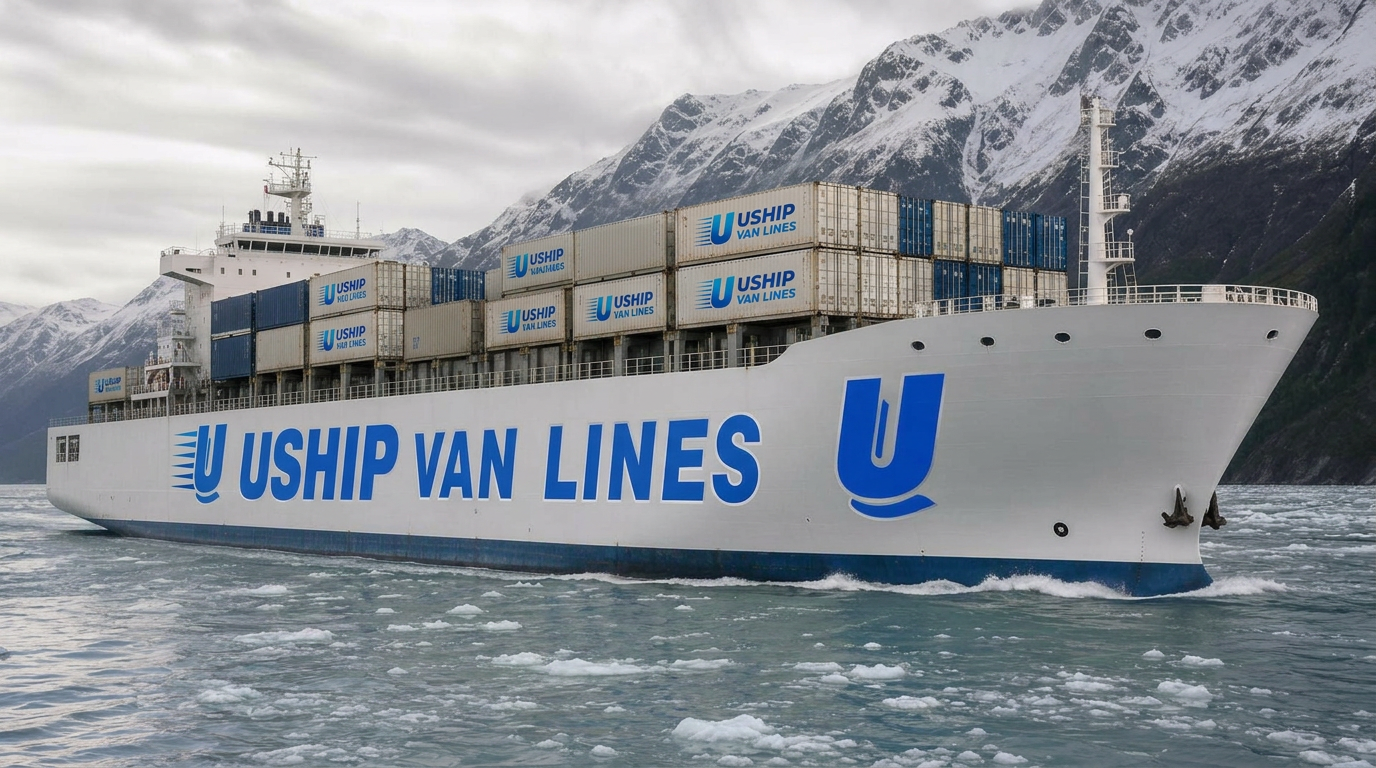
Moving from Los Angeles, CA to Alaska
Relocating from the sprawling metropolis of Los Angeles to the vast wilderness of Alaska represents one of the most dramatic lifestyle changes in North America. Whether you're drawn to Anchorage's urban opportunities, Fairbanks' northern charm, or the Mat-Su Valley's frontier spirit, your move requires specialized logistics that standard moving companies simply cannot provide.
Best Alaska & Hawaii Movers, powered by UShip Van Lines, coordinates every phase of your Los Angeles-to-Alaska transition—from initial pickup in Southern California through barge transit from the Port of Tacoma to final delivery across Alaska's unique road network. Request your customized moving quote today to begin planning your northern adventure with confidence.
Route overview
Understanding the Los Angeles to Alaska Moving Route
Your household goods travel approximately 2,400 miles from Los Angeles to Alaska's port cities, making this one of the longest and most logistically complex domestic moves available. The journey begins with ground transportation from your Los Angeles home—whether in downtown LA, the Valley, South Bay, or surrounding counties—via truck convoy northbound on Interstate 5 through California, Oregon, and Washington to the Port of Tacoma.
From Tacoma, your belongings board Alaska Marine Highway barges bound for the Port of Anchorage, covering roughly 1,400 nautical miles through the Inside Passage and Gulf of Alaska. Upon arrival at Anchorage's deepwater terminal, your shipment clears customs inspection (Alaska remains a domestic destination but maintains unique agricultural and wildlife regulations) before last-mile delivery to your final destination—whether that's Anchorage itself, the 350-mile drive to Fairbanks via the Parks Highway, communities throughout the Mat-Su Borough, the Kenai Peninsula, or even remote locations accessible by seasonal winter ice roads.
This multi-modal route requires expert coordination between trucking carriers, marine freight operators, port authorities, and Alaska-based delivery partners. Temperature-controlled handling, moisture protection, and schedule optimization around Alaska's limited barge sailings make professional coordination essential for protecting your belongings and meeting your timeline.
How the moving process works
How Your Los Angeles to Alaska Move Works: Step by Step
-
Free In-Home or Virtual Survey (3–4 Weeks Before Move Date): A Best Alaska & Hawaii Movers coordinator assesses your inventory via video call or in-person visit throughout the Los Angeles metro area, identifying items requiring special handling, calculating cubic footage, and providing a detailed cost estimate based on your specific shipment volume and destination within Alaska.
-
Booking and Barge Schedule Coordination (2–3 Weeks Out): Once you approve the quote, we reserve your space on the next available Tacoma-to-Anchorage barge sailing—typically departing weekly during peak season (May–September) and bi-weekly in shoulder months, with limited winter sailings November–March requiring advance booking.
-
Professional Packing and Los Angeles Pickup (1–3 Days): Our California-based crew arrives at your Los Angeles residence with marine-grade packing materials, wrapping furniture in padded blankets and shrink-wrap, boxing fragile items with extra cushioning for ocean transit, and loading everything into a climate-controlled trailer for the northbound journey.
-
Overland Transit to Port of Tacoma (2–3 Days): Your shipment travels 1,150 miles north via I-5, typically reaching Tacoma's marine terminal within 48–72 hours, where it's transferred to a weatherproof container and staged for barge loading.
-
Barge Transit Tacoma to Anchorage (5–7 Days at Sea): Alaska Marine Highway vessels depart Tacoma on fixed schedules, navigating Puget Sound, the Inside Passage, and Gulf of Alaska waters—journey time varies by weather, with summer crossings averaging 5–6 days and winter routes occasionally extending to 7–8 days due to storm delays.
-
Port of Anchorage Customs and Container Retrieval (1–2 Days): Upon arrival at the Port of Anchorage, your container undergoes USDA inspection for prohibited plants, soil, and certain foods (strict Alaska biosecurity regulations), clears processing, and is released to our Alaska-based delivery partners.
-
Final Delivery Across Alaska (Same Day to 3 Days): For Anchorage destinations, delivery often occurs the same day as port release; Fairbanks deliveries require an additional 1–2 days for the 350-mile Parks Highway drive; Mat-Su, Kenai Peninsula, and remote locations may add 1–3 days depending on road conditions, ferry schedules, and seasonal accessibility.
Estimated moving costs
What Does a Los Angeles to Alaska Move Actually Cost?
A typical 2-bedroom apartment or small home move from Los Angeles to Anchorage averages $6,800–$9,500 for full-service packing, loading, barge shipping, and delivery. A 3-bedroom home with standard furnishings generally ranges $9,500–$14,000, while larger 4-bedroom homes or shipments exceeding 1,500 cubic feet can reach $14,000–$19,000 or more.
Key cost drivers include your shipment's total cubic footage (not just weight—bulky items like mattresses and sofas consume significant container space), packing service level (self-pack saves $800–$1,500 but increases damage risk on ocean crossings), final destination within Alaska (Anchorage costs less than Fairbanks or remote communities requiring additional trucking or even bush plane cargo), and timing (peak summer season May–August commands premium rates due to high demand and limited barge capacity).
Additional expenses to budget for: vehicle shipping via separate auto carrier barge ($1,800–$2,800 per car from Seattle/Tacoma to Anchorage), temporary storage if your Alaska housing isn't ready upon arrival ($150–$300 per month for climate-controlled Anchorage facilities), valuation coverage beyond the standard $0.60/lb basic liability (full replacement value insurance typically adds 1.5–2.5% of declared shipment value), and expedited service if you need guaranteed delivery within a narrow window ($800–$1,500 surcharge for priority barge booking).
We never publish flat-rate pricing because every Los Angeles-to-Alaska move involves unique variables—your specific inventory, desired services, and travel dates determine the final investment. Request a detailed quote to receive a transparent, itemized estimate with no hidden fees or surprise charges.
Estimated transit times
How Long Does Los Angeles to Alaska Moving Take?
Door-to-door transit from Los Angeles to Anchorage typically requires 10–14 days during peak summer season (May–September), when weekly barge departures and optimal weather create the most reliable schedules. Off-season moves (October–April) often extend to 14–21 days due to less frequent barge sailings, potential weather delays in the Gulf of Alaska, and winter road conditions affecting both the I-5 northbound leg and final Alaska delivery.
The timeline breaks down into three distinct legs: Los Angeles pickup to Port of Tacoma (2–3 days via truck), barge transit Tacoma to Anchorage (5–7 days at sea, occasionally 8 days in winter storms), and customs clearance plus final Alaska delivery (1–2 days for Anchorage, 2–4 days for Fairbanks and other interior/remote destinations).
For Fairbanks-bound shipments, add an extra 1–2 days for the 350-mile Parks Highway journey north from Anchorage. Mat-Su Valley communities like Wasilla and Palmer typically receive delivery within the same timeframe as Anchorage. Kenai Peninsula destinations (Soldotna, Homer, Seward) may add 1 day for the Sterling Highway leg. Remote bush communities accessible only by seasonal ice roads, ferry, or air cargo operate on custom timelines negotiated during the booking phase.
Want to minimize uncertainty? Book your move during the May–August window when barge schedules run most frequently and weather impacts are minimal. Plan for 2–3 weeks of lead time between initial contact and your desired move date to secure space on your preferred sailing.
Regional logistics
Alaska-Specific Moving Logistics You Must Understand
Port Infrastructure and Container Handling: The Port of Anchorage serves as Alaska's primary freight gateway, handling 90% of consumer goods entering the state. Your containerized shipment undergoes USDA biosecurity inspection upon arrival—Alaska maintains strict regulations against invasive species, prohibiting soil, certain plants, unprocessed firewood, and various food products. Our logistics team ensures your inventory complies with these requirements to avoid customs delays or confiscation.
Vehicle Shipping Requires Separate Planning: Personal vehicles travel via dedicated auto carrier barges (not the same as household goods barge), departing from Seattle or Tacoma on independent schedules. Cars must be delivered to the carrier's terminal with no more than 1/4 tank of fuel, no personal items inside (insurance doesn't cover contents), and clean undercarriage (agricultural inspection requirement). Vehicle barge transit takes 5–7 days Seattle-to-Anchorage, with weekly departures peak season and bi-weekly off-season. Coordinate your vehicle shipment timeline with your household goods delivery to minimize rental car expenses in Alaska.
Last-Mile Delivery Challenges: Alaska's limited road network creates unique delivery considerations. The Parks Highway (Anchorage to Fairbanks) closes temporarily during severe winter storms. The Dalton Highway to Prudhoe Bay and Arctic communities is typically truck-accessible only June–September. Southeast Alaska cities like Juneau, Ketchikan, and Sitka have no road connection to Anchorage—shipments destined there must transfer to separate inter-Alaska ferries or remain on barges continuing through the Inside Passage. Island communities in the Aleutian Chain, Kodiak, and Bristol Bay regions require additional marine freight coordination.
Climate Protection for Your Belongings: Temperature swings from 70°F in Los Angeles to -40°F in Fairbanks demand proper packing materials. We use moisture barrier wrap for mattresses and upholstered furniture (ocean air introduces humidity), climate-controlled containers when possible, and cold-weather-rated packing tape that won't fail in sub-zero unloading conditions. Electronics, LCD screens, and musical instruments receive extra insulation. Liquids are packed upright with absorbent materials as backup protection.
Housing Timing and Storage Options: Many Alaska renters and homebuyers face delayed move-in dates due to slow winter construction seasons or military housing waitlists. If your Alaska residence isn't ready when your shipment arrives at the Port of Anchorage, we coordinate temporary storage in climate-controlled Anchorage warehouses ($150–$300/month) until you're ready for delivery. This beats paying expensive daily barge demurrage fees if your container sits at the port beyond the free storage window.
Seasonal considerations
Best Time of Year for Your Los Angeles to Alaska Move
Summer Peak Season (May–August): The most popular and reliable moving window, featuring weekly Tacoma-to-Anchorage barge departures, minimal weather delays, and ice-free ports. Expect premium pricing due to high demand—families with school-age children and military personnel on PCS orders flood the market. Book 4–6 weeks in advance to secure your preferred dates. Advantages include guaranteed road access to all Alaska destinations and extended daylight hours (20+ hours in June/July) for delivery flexibility.
Shoulder Seasons (April, September–October): Excellent value period with 10–20% lower rates than peak summer, bi-weekly barge schedules, and moderate weather conditions. April moves risk late-season snowstorms on the Parks Highway but avoid the summer rush. September offers beautiful fall colors and stable weather, while October brings first snows to interior Alaska—confirm your destination housing is ready for early winter delivery. Book 3–4 weeks ahead.
Winter Off-Season (November–March): Budget-conscious movers save 20–30% compared to summer, but face significant logistics challenges. Barge sailings run monthly (sometimes less), Gulf of Alaska winter storms can delay vessels 2–5 days, and sub-zero temperatures in Fairbanks and interior Alaska require special attention to electronics, liquids, and temperature-sensitive items. Some remote Alaska locations become inaccessible until spring breakup. Only recommended if you have flexible timelines and understand the trade-offs. Book 6–8 weeks in advance due to limited sailing capacity.
Alaska-Specific Factors: Barge schedules are published 6–8 weeks in advance and fill quickly during peak military PCS season (May–July). Spring breakup (April–early May) can make some rural Alaska roads temporarily impassable. Winter ice road access to certain bush communities actually improves December–March, opening otherwise air-only locations to ground freight. Discuss your specific destination and timeline with our Alaska specialists to identify the optimal moving window for your situation.
Why choose Best Alaska & Hawaii Movers
Why Los Angeles Families and Professionals Choose Best Alaska & Hawaii Movers
-
Alaska-Dedicated Logistics Network: Unlike general moving brokers who outsource every leg to unfamiliar subcontractors, we maintain established partnerships with Alaska-based delivery teams, Tacoma marine terminal operators, and Anchorage port specialists who coordinate Alaska shipments daily—you're not their first rodeo, and we speak the language of barge schedules, USDA inspections, and winter road conditions.
-
Transparent, All-Inclusive Pricing: Your quote includes Los Angeles pickup, overland transport to Tacoma, barge freight, Port of Anchorage customs coordination, and delivery to your Alaska destination—no surprise fuel surcharges, barge booking fees, or port handling costs tacked on later, just honest pricing based on your actual shipment volume and services.
-
Real-Time Shipment Tracking: Receive SMS and email updates when your truck departs Los Angeles, arrives at Tacoma, loads onto the barge, clears Anchorage customs, and dispatches for final Alaska delivery—you'll never wonder where your belongings are during the 2–3 week journey.
-
Climate-Optimized Packing Standards: Our California crews pack specifically for Alaska moves, using marine-grade moisture barriers, cold-weather materials, and container loading techniques that minimize shifting during ocean transit and protect against temperature extremes from LA's heat to Alaska's cold.
-
Flexible Scheduling Around Alaska's Unique Calendar: We work backward from your desired Alaska arrival date, coordinating barge sailing schedules, military PCS timelines, school start dates, and seasonal road access to ensure your shipment arrives when you need it—not weeks early (requiring expensive storage) or dangerously late (missing Alaska's narrow summer moving window).