
Moving from Dearborn, MI to Alaska
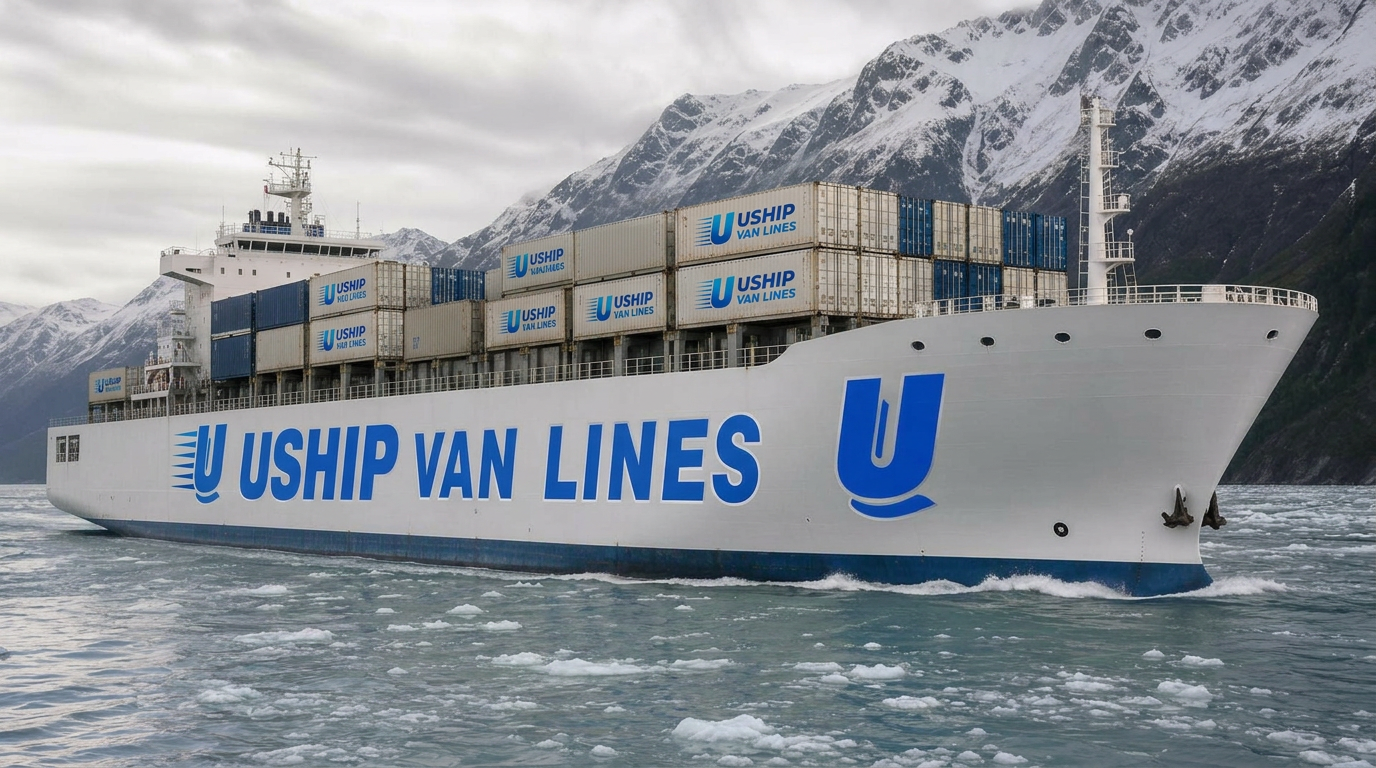
Moving from Dearborn, Michigan to Alaska represents one of the most complex residential relocations in North America. Your household goods will travel over 3,200 miles, crossing through the continental U.S. to the Pacific Northwest, then shipping via oceangoing barge to Alaska's port system—typically Anchorage—before final delivery to your destination community.
Best Alaska & Hawaii Movers, powered by UShip Van Lines, specializes exclusively in these non-contiguous state moves. We coordinate the entire journey: ground transport from your Dearborn home to the Seattle-Tacoma consolidation terminal, containerized barge shipping across the Gulf of Alaska, port handling in Anchorage, and last-mile delivery whether you're settling in Anchorage, Fairbanks, the Mat-Su Valley, Kenai Peninsula, or even remote bush communities. Ready to start planning your Alaska move? Request your free, no-obligation quote today to get accurate pricing and timeline estimates tailored to your specific route and household size.
Route overview
Understanding the Dearborn to Alaska Moving Route
Your move from Dearborn begins with ground transportation across the Lower 48. Professional movers will load your belongings in southeastern Michigan and transport them approximately 2,100 miles west to the Seattle-Tacoma port region, where Alaska-bound freight consolidates before ocean transit. This overland leg typically takes 3–5 days depending on scheduling and weather conditions.
From Tacoma, your household goods transfer to oceangoing barges operated by carriers like Totem Ocean Trailer Express (TOTE) or Alaska Marine Lines. The barge journey across the Gulf of Alaska to the Port of Anchorage covers roughly 1,500 nautical miles and runs on weekly schedules year-round, with transit times of 5–7 days on the water. Once in Anchorage, your shipment clears the port, moves through customs inspection if needed, and either delivers directly in the Anchorage area or transloads for final ground delivery to interior or peninsula destinations.
This multimodal route—truck, barge, and final delivery—requires precise coordination among carriers, port handlers, and local delivery teams. The entire door-to-door timeline from Dearborn to most Alaska destinations ranges from 14–28 days, with variability driven by barge schedules, weather windows, and your final destination's accessibility. Remote or seasonal-access communities may add significant time and require creative logistics solutions.
How the moving process works
How Your Dearborn to Alaska Move Works: Step-by-Step
-
Free In-Home or Virtual Survey: A moving specialist evaluates your household inventory, notes any high-value or fragile items, and provides a detailed cost estimate. For Alaska moves, this assessment includes questions about vehicle shipping, storage needs, and accessibility at both origin and destination.
-
Booking and Documentation: Once you accept the estimate, you'll receive a Bill of Lading, moving contract, and Alaska-specific paperwork. If you're shipping vehicles, separate documentation for auto transport begins here. Book at least 4–6 weeks ahead during peak summer season (May–September) for best barge availability.
-
Packing and Loading in Dearborn: Professional crews arrive at your Michigan home to pack (if you've selected full-service packing) and load your belongings into the truck. Items destined for Alaska receive special attention: extra cushioning for the barge crossing, climate-appropriate wrapping, and careful labeling for multimodal handling.
-
Overland Transport to Tacoma Consolidation Hub: Your shipment travels cross-country to the Pacific Northwest, typically on a shared truck with other Alaska-bound loads. This leg takes 3–5 days. At the Tacoma terminal, goods transfer into ocean-rated containers (typically 20' or 40' steel containers) designed for barge transport.
-
Barge Shipping Across the Gulf of Alaska: Your container loads onto a weekly barge service to Anchorage. The ocean crossing takes 5–7 days depending on weather and routing. Shipments remain secure in sealed containers throughout the voyage, protected from saltwater spray and weather.
-
Port Clearance and Anchorage Handling: Upon arrival at the Port of Anchorage, containers offload and move through receiving. If you're staying in Anchorage, delivery can occur within 1–3 days. For destinations beyond Anchorage—Fairbanks, Mat-Su, Kenai, Southeast Alaska—your goods transload onto trucks for the final ground leg.
-
Final Delivery and Placement: Delivery crews bring your belongings to your new Alaska home, unload, and place items in designated rooms. You'll inspect for any damage and sign final paperwork. For remote locations accessible only by ferry, small plane, or seasonal roads, creative solutions like freight forwarding or temporary storage may be necessary until access opens.
Estimated moving costs
What Does a Dearborn, MI to Alaska Move Cost?
For a typical 2–3 bedroom household (approximately 7,000–10,000 pounds), expect total moving costs between $8,500 and $16,000. Studio or 1-bedroom moves may range from $5,000–$8,000, while large 4+ bedroom homes can exceed $20,000. These figures represent full-service, door-to-door moves including packing, loading, barge shipping, and final delivery to most major Alaska population centers.
Key cost drivers for your Dearborn to Alaska move include:
- Shipment weight and volume: Charges are typically calculated by hundredweight (per 100 lbs) or by container space. Heavier or bulkier loads cost proportionally more.
- Barge and port fees: Ocean freight, container handling, port charges, and fuel surcharges represent a significant portion of Alaska moving costs—often $3,000–$6,000 of the total.
- Distance beyond Anchorage: Delivery to Anchorage metro is the baseline. Fairbanks, Mat-Su Valley, or Kenai Peninsula destinations add $800–$2,500 in additional ground transport. Southeast Alaska communities or remote bush locations requiring ferry, air freight, or special logistics can add $2,000–$5,000+.
- Packing services: Full professional packing typically adds $800–$2,000 depending on home size and item fragility. Partial packing (fragile items only) or self-packing reduces this cost.
- Vehicle shipping: Transporting a car or truck from Michigan to Alaska via barge adds approximately $1,800–$3,200 per vehicle, separate from household goods pricing.
- Season and timing: Summer peak season (May–August) sees higher demand and sometimes premium pricing. Winter moves may offer modest savings but face weather-related risks.
- Storage: If your barge schedule doesn't align with your move-in date, temporary storage at the Tacoma hub or in Alaska adds $150–$400 per month.
- Insurance and valuation: Basic carrier liability covers $0.60 per pound per article. Full-value replacement protection adds 1–3% of shipment value to your total cost.
These are estimated ranges based on typical moves, not guaranteed quotes. Your actual cost depends on your specific inventory, services selected, exact destination, and current market rates. Request a detailed written estimate to understand your personalized pricing.
Estimated transit times
How Long Does Moving from Dearborn to Alaska Take?
Door-to-door transit from Dearborn, Michigan to Alaska typically requires 14–28 days, with most moves to Anchorage or Fairbanks completing in 18–22 days under normal conditions. Here's how that timeline breaks down:
Ground transport Dearborn to Tacoma consolidation terminal: 3–5 days. Your shipment travels approximately 2,100 miles across the northern U.S., often via I-90 and I-94 corridors. Weather delays (winter snowstorms in Montana or the Cascades) can add 1–2 days.
Tacoma terminal processing and container loading: 2–4 days. Your household goods arrive at the port facility, transfer into ocean containers, and await the next scheduled barge departure. Timing here depends on your arrival relative to barge sailing schedules (typically weekly departures).
Barge transit to Port of Anchorage: 5–7 days on the water. The Gulf of Alaska crossing is remarkably consistent, though severe weather can occasionally delay departures by 12–24 hours. Barge services run year-round with reliable schedules.
Port clearance and Anchorage processing: 1–3 days. Containers offload, clear receiving, and prepare for final delivery or transloading. Customs inspections (rare for domestic moves but possible for certain items) can add time.
Final delivery: Same-day to 5 days depending on destination. Anchorage metro deliveries occur quickly. Fairbanks adds 1–2 days for the 350-mile ground haul. Kenai Peninsula, Mat-Su Valley, or Southeast Alaska communities add 2–5 days. Remote bush locations requiring ferry connections or seasonal road access can add weeks.
Plan for the upper end of these ranges during peak summer season (June–August) when moving demand is highest. Winter moves sometimes proceed faster due to lower volume, but weather risk increases. For time-sensitive moves, discuss expedited scheduling options and build buffer time into your plans. Most movers recommend arriving in Alaska a few days before your shipment's estimated delivery window to avoid lodging or storage complications.
Regional logistics
Alaska Moving Logistics: What Makes This Route Unique
Port Infrastructure and Barge Systems
Alaska's isolation means oceangoing barge is the only cost-effective way to move household goods. The Port of Anchorage handles the majority of Alaska-bound freight, with your shipment typically arriving at the main terminal in Cook Inlet. From there, goods distribute throughout the state. Carriers like TOTE and Alaska Marine Lines operate regular barge services from Tacoma, running on published schedules year-round. Unlike Hawaii's neighbor-island ferry systems, Alaska's barge network connects the state to the Lower 48 but doesn't offer inter-city barge options within Alaska—ground transport handles final distribution.
Container Types and Packing
Your household goods travel in steel ocean containers (20' or 40' standard lengths) designed to withstand saltwater exposure and rough seas. Movers pack items with extra padding and moisture barriers. Unlike standard moving vans, barge containers remain sealed from Tacoma loading until Anchorage offloading, minimizing handling and damage risk. For partial loads (smaller households), your goods share container space with other Alaska-bound shipments, consolidating efficiently.
Vehicle Shipping Considerations
Many Dearborn to Alaska movers also need to transport vehicles. Cars, trucks, and SUVs ship via the same barge services but in separate vehicle-specific containers or roll-on/roll-off (RoRo) vessel space. Vehicle shipping adds $1,800–$3,200 per vehicle and follows similar timelines to household goods. Ensure your vehicle is in good working order (must drive on/off under its own power for RoRo), and remove all personal belongings—carriers typically prohibit items inside vehicles. Some Michigan residents drive the Alaska Highway (ALCAN) as an adventure, but the 3,500+ mile route through Canada requires border paperwork, vehicle reliability, winter driving skills, and 5–7 days minimum driving time.
Customs, Documentation, and Alaska Regulations
Despite Alaska's status as a U.S. state, some shipments pass through Canadian waters (though not through Canadian customs), and strict regulations govern what can enter Alaska. Prohibited items include most plants (Alaska has strict invasive species laws), soil, firewood, certain fresh foods, and hazardous materials. Pets require health certificates and rabies vaccination documentation. Be prepared to declare high-value items for insurance purposes. Moving companies familiar with Alaska regulations will guide you through required paperwork; using an Alaska-specialist carrier like Best Alaska & Hawaii Movers ensures compliance.
Last-Mile Delivery Challenges
Alaska's vast size and limited road network create final-delivery complexities. Anchorage, Fairbanks, Mat-Su Valley (Wasilla/Palmer), and Kenai Peninsula communities enjoy direct road access. However, Southeast Alaska (Juneau, Ketchikan, Sitka) requires ferry connections—the Alaska Marine Highway System—adding days and coordination. Remote bush communities may require air freight (dramatically increasing costs) or seasonal barge service. Some locations are accessible only in summer. Discuss your exact destination address with your moving coordinator early to plan appropriate logistics. For remote deliveries, expect to arrange freight forwarding or temporary storage in Anchorage until transport becomes available.
Climate and Item Protection
Alaska's climate varies dramatically: coastal areas are wet and moderate, interior regions face extreme cold (-40°F or lower in winter), and the state's long, dark winters affect everything. Sensitive items like electronics, musical instruments, and wood furniture should receive climate-controlled handling if possible, though full climate control isn't always available for barge shipments. Discuss item-specific concerns (pianos, antiques, artwork) with your moving coordinator to ensure proper packing and protection.
Storage Options
Timing mismatches between your Dearborn departure and Alaska home availability may require storage. Short-term storage (30–90 days) is available both at the Tacoma consolidation terminal and in Alaska (usually Anchorage). Rates run $150–$400 per month depending on volume. For remote destinations where final delivery waits for seasonal access, longer storage terms are common and should be planned into your budget.
Seasonal considerations
Best Times to Move from Dearborn to Alaska: Seasonal Planning
Summer (May–September): Peak Season
Summer represents the busiest and most expensive moving period for Alaska relocations. Families move to align with school years, construction and resource industries ramp up hiring, and weather conditions are most favorable. Barge schedules run at full capacity with weekly departures, but book 6–8 weeks in advance to secure space. Expect premium pricing—often 15–25% higher than off-season rates. Weather is optimal: minimal snow/ice risk on Alaska highways, longer daylight for deliveries, and stable Gulf conditions. The Dearborn to Tacoma overland leg faces few weather obstacles. If you're moving for a summer job start or school beginning in August, initiate planning by late April or early May.
Fall (October–November): Shoulder Season
Fall offers a sweet spot: lower demand than summer, still-reasonable weather, and better pricing. Barge schedules remain consistent through November. The overland Midwest-to-Pacific Northwest route begins facing early winter storms by late November, particularly crossing Montana and the Cascades, which can add 1–2 days. Alaska itself sees snow accumulation increasing through fall, so ensure your destination is accessible and that any rural properties have clear driveways for delivery trucks. Pricing typically runs 10–15% below peak summer rates. This is an excellent window for flexible movers not tied to school calendars.
Winter (December–March): Off-Season with Challenges
Winter moves from Dearborn to Alaska come with trade-offs. Costs drop to their annual lows—sometimes 20–30% below summer—and scheduling is highly flexible. However, weather risk is real. Michigan winters mean potential snow/ice delays at pickup. The cross-country route crosses northern mountain passes that close temporarily during severe storms. In Alaska, short daylight, icy roads, and extreme cold (especially for interior destinations like Fairbanks) complicate deliveries. Remote areas may become entirely inaccessible until spring thaw. Barge schedules continue weekly, and the ocean crossing itself is often unaffected, but port operations can slow during severe cold snaps. Best for experienced Alaska residents returning after a Lower 48 stint, or flexible individuals who can accommodate schedule variability and potential storage needs if delivery must wait for weather clearance.
Spring (April–May): Transition Period
Spring sees demand ramping up as the summer rush begins. April can still bring winter weather in both Michigan and Alaska (breakup season in Alaska means muddy, challenging road conditions), but by May conditions generally improve. Pricing sits between winter lows and summer peaks. Barge availability tightens as peak season approaches, so book by early March for a May move. Spring is ideal for those who want better weather than winter but aren't locked into summer timelines.
Why choose Best Alaska & Hawaii Movers
Why Choose Best Alaska & Hawaii Movers for Your Dearborn to Alaska Move
-
Non-Contiguous Specialists: We focus exclusively on Alaska and Hawaii moves, powered by UShip Van Lines' nationwide network. Unlike general moving companies that treat Alaska as an afterthought, we coordinate these complex multimodal shipments daily—barge schedules, port logistics, and last-mile challenges are our core expertise.
-
Transparent Pricing with No Hidden Fees: You'll receive a detailed written estimate breaking down every cost component: ground transport, barge fees, port charges, final delivery, and optional services. We explain what drives pricing and offer straightforward guidance on managing costs. No surprise fees at delivery.
-
End-to-End Coordination: From your Dearborn pickup through Tacoma consolidation, barge booking, Anchorage port handling, and final Alaska delivery, a single point of contact manages your entire move. You won't juggle multiple carriers or coordinate handoffs yourself—we handle the complexity so you don't have to.
-
Flexible Scheduling and Storage Solutions: We understand Alaska moves rarely follow simple timelines. Whether you need storage at either end, have a remote destination requiring creative logistics, or must work around barge schedules, we build flexible plans tailored to your situation.
-
Real Alaska Experience: Our delivery partners know Alaska's roads, weather, and accessibility challenges. We've delivered to Fairbanks in February, coordinated ferry connections to Southeast communities, and arranged bush freight for off-road locations. Your move benefits from our team's real-world Alaska logistics knowledge, not guesswork.