
Moving from Alaska to Washington
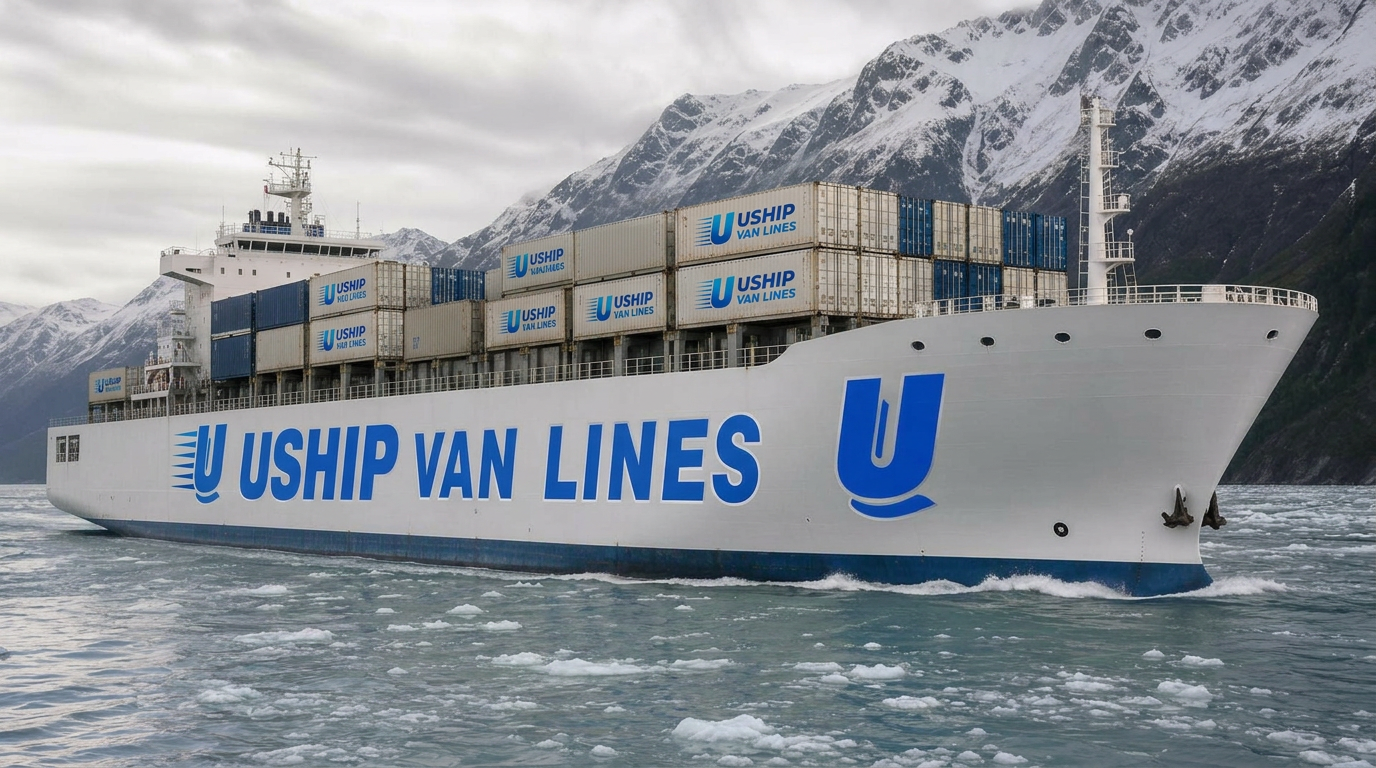
Moving from Alaska to Washington is one of the most common relocation routes in the Pacific Northwest, connecting the Last Frontier with the Lower 48. Whether you're heading to Seattle, Spokane, Tacoma, or anywhere in the Evergreen State, your household goods will travel by barge from Alaska ports to Tacoma or Seattle, then by truck to your final destination.
This route reverses the traditional northbound flow, requiring careful coordination of barge schedules, port logistics, and ground transportation. Best Alaska & Hawaii Movers, powered by UShip Van Lines, specializes in this southbound lane with experience managing every step from packing in Anchorage, Fairbanks, or the Mat-Su Valley through final delivery anywhere in Washington. Request your free, no-obligation quote to start planning your move with confidence.
Route overview
Route Overview: Alaska to Washington
The Alaska-to-Washington corridor is the primary gateway for Alaskans relocating to the continental United States. Your belongings depart from major Alaska ports—primarily the Port of Anchorage, but also Whittier for some seasonal sailings—and travel approximately 1,400 nautical miles across the Gulf of Alaska and down the Inside Passage to Puget Sound ports in Tacoma or Seattle.
Unlike moving to Alaska, southbound moves often benefit from slightly more flexible scheduling during peak summer months when barge carriers increase frequency to handle the seasonal rush. Once your container arrives in Washington, ground delivery to cities like Seattle, Tacoma, Spokane, Bellingham, Vancouver, or Olympia is typically completed within 1-3 business days, depending on your exact location and whether you're in the urban I-5 corridor or more remote areas of Eastern Washington.
This route offers predictable logistics, established carrier schedules, and the advantage of ending in one of the most mover-friendly states in the country, with excellent infrastructure and delivery access throughout the Puget Sound region and beyond.
How the moving process works
The Alaska-to-Washington Moving Process
1. Free Consultation & Inventory Assessment Contact Best Alaska & Hawaii Movers for a detailed inventory review. We'll assess your household size, special items (vehicles, boats, ATVs), and your specific Alaska pickup location (Anchorage, Fairbanks, Mat-Su, Kenai Peninsula, or beyond) to determine the most efficient logistics path.
2. Booking & Barge Schedule Coordination We reserve your container space on the next available barge sailing from Alaska to Tacoma/Seattle. Summer sailings (May–September) depart weekly; winter schedules may be bi-weekly. You'll receive confirmed pickup and estimated delivery windows.
3. Professional Packing & Loading in Alaska Our Alaska-based crews pack and load your belongings into weatherproof marine containers (typically 20' or 40' units). All items are secured for ocean transit, with special attention to preventing moisture damage and shift during the Gulf of Alaska crossing.
4. Port Delivery & Container Loading Your loaded container is transported to the Port of Anchorage (or Whittier, depending on carrier and season) and loaded aboard the southbound barge. You'll receive tracking information and sailing confirmation.
5. Ocean Transit to Puget Sound The barge crosses the Gulf of Alaska and travels down the Inside Passage to Tacoma or Seattle—typically 5-8 days of ocean transit, weather dependent. Your container remains sealed and secure throughout the voyage.
6. Port Unloading & Customs Clearance (if applicable) Upon arrival in Washington, containers are offloaded and cleared through any required inspections. Because this is domestic shipment, customs is minimal, but agricultural inspections may apply to certain items.
7. Ground Delivery to Your Washington Destination Your container is transported by truck from the port to your new Washington address. Our delivery team unloads, places furniture, and removes packing materials. You inspect and sign off on delivery completion.
Estimated moving costs
Cost Estimates for Alaska to Washington Moves
A typical 2–3 bedroom household move from Alaska to Washington ranges from $4,500 to $9,500, depending on volume, services, and specific origin/destination locations. Smaller moves (studio/1-bedroom) may cost $2,800–$4,800, while larger homes (4+ bedrooms) can reach $11,000–$16,000 or more.
Key Cost Drivers:
- Container size and volume: 20-foot containers suit smaller moves; 40-foot containers or multiple units for larger households
- Alaska pickup location: Anchorage and Mat-Su Valley have the most competitive rates; Fairbanks, Kenai, and remote locations incur additional trucking fees
- Washington destination: Seattle/Tacoma metro deliveries are most economical; Spokane, Bellingham, or rural areas add ground transport costs
- Packing services: Full professional packing adds $800–$2,200; partial packing or self-pack options reduce costs
- Vehicle shipping: Cars, trucks, and SUVs can share barge space, typically $1,200–$2,400 per vehicle Alaska to Seattle
- Season and timing: Peak summer months (June–August) may see higher demand pricing; fall and spring offer better value
- Storage needs: If your Washington residence isn't ready, secure storage in Seattle/Tacoma runs $150–$400/month for container storage
- Insurance coverage: Basic carrier liability is included; full-value protection costs approximately 1–2% of declared value
These figures are estimates for planning purposes. Your actual cost depends on your specific inventory, services selected, and current market conditions. Request a detailed quote for accurate pricing based on your exact move requirements.
Estimated transit times
Realistic Transit Times: Alaska to Washington
Door-to-door transit from Alaska to Washington typically takes 12–21 days, though this varies by season, exact origin/destination, and barge schedule alignment.
Transit Breakdown by Leg:
- Alaska pickup to port delivery: 1–3 days (same-day in Anchorage; 1–2 days from Mat-Su Valley; 2–3 days from Fairbanks; up to 5 days from Kenai or remote areas)
- Port staging and container loading: 1–3 days (time between port delivery and actual barge departure)
- Ocean transit to Tacoma/Seattle: 5–8 days (weather and sea conditions can extend this; summer crossings are typically faster)
- Port unloading and processing: 1–2 days after barge arrival
- Ground delivery in Washington: 1–3 days (same-day to next-day for Seattle/Tacoma metro; 2–3 days to Spokane or remote locations)
Summer moves (May–September) benefit from weekly barge schedules and favorable weather, often completing in 12–16 days. Winter moves (October–April) face less frequent sailings, potential weather delays in the Gulf of Alaska, and may extend to 18–24 days. Always build buffer time into your moving timeline, especially if you have firm lease dates or closing deadlines. Expedited options are rarely available for barge routes, so advance planning is essential.
Regional logistics
Alaska-Specific Logistics & What You Need to Know
Ports and Marine Shipping Most southbound Alaska moves depart from the Port of Anchorage, the state's primary commercial port with weekly barge service to Tacoma. Whittier serves as an alternate port, particularly for seasonal sailings and some carriers. Your moving company coordinates port delivery, container loading, and barge booking—you won't interact directly with marine carriers.
Vehicles, Boats, and Heavy Equipment Alaska to Washington barge service can accommodate vehicles (cars, trucks, RVs), boats, ATVs, snowmachines, and other equipment alongside your household goods. Vehicles must be clean (no mud or organic material), have less than ¼ tank of fuel, and cannot contain personal items. Boats must be properly winterized and secured. This is often more economical than driving the Alaska Highway, especially for multiple vehicles.
Paperwork and Documentation Because this is domestic shipment between U.S. states, customs documentation is not required. However, you'll complete a detailed inventory list, bill of lading, and carrier contract. Washington does not require agricultural inspection for most household goods, but certain plants, soils, and food items may be restricted. Your moving company provides all necessary documentation.
Remote Alaska Pickups If you're moving from Fairbanks, Mat-Su Valley, Kenai Peninsula, or more remote locations, ground transportation to the port adds time and cost. Bush Alaska locations (Nome, Bethel, Kotzebue, etc.) require additional arrangements, sometimes including smaller barge or air freight to Anchorage before main barge shipment. Discuss your specific location with your moving coordinator for accurate logistics planning.
Last-Mile Delivery in Washington Washington's excellent road infrastructure makes final delivery straightforward for most locations. Seattle and Tacoma metro areas offer same-day or next-day delivery after port release. Spokane and Eastern Washington add 1–2 days. San Juan Islands and extremely remote areas may require ferry access or special arrangements. Confirm delivery access (narrow roads, gated communities, loading dock requirements) when booking.
Storage Options If your Washington residence isn't ready when your container arrives, Best Alaska & Hawaii Movers offers secure container storage at Tacoma-area facilities. This is common when closing dates shift or you're still house-hunting. Storage charges are significantly lower than keeping items in Alaska while you wait.
Seasonal considerations
Seasonal Planning for Alaska to Washington Moves
Summer (May–September): Peak Season The busiest moving period, with weekly barge sailings and the most predictable weather. Gulf of Alaska crossings are smoother, and ground conditions in Alaska are ideal for pickups from remote areas. Book 6–8 weeks in advance during June–August to secure your preferred dates. Pricing is at annual highs, but reliability and speed are maximized.
Fall (September–November): Shoulder Season Excellent balance of availability and value. Barge schedules remain frequent through September, then shift to bi-weekly in October. Weather begins to deteriorate in November, with early winter storms possible in the Gulf. Book 4–6 weeks ahead. This is ideal for cost-conscious movers with flexible timelines.
Winter (December–March): Off-Peak The most challenging and least expensive season. Barge sailings may be bi-weekly or less frequent. Gulf of Alaska winter storms can delay ocean transit by several days. Snow and ice in Alaska can complicate pickups from Fairbanks, Mat-Su, and rural areas. However, pricing is 15–25% lower than summer, and availability is excellent. Plan for extended timelines and build in extra buffer days. Book 3–4 weeks ahead.
Spring (April–May): Transition Season Schedules ramp up as carriers prepare for summer. April can still see winter weather impacts; by May, conditions normalize. Pricing begins to increase but remains below peak summer rates. Excellent time for early planners to secure good rates before the rush. Book 4–5 weeks in advance.
Regardless of season, Alaska weather is unpredictable. Always communicate with your moving coordinator about current conditions and build contingency time into your plans.
Why choose Best Alaska & Hawaii Movers
Why Choose Best Alaska & Hawaii Movers for Your Alaska to Washington Move
-
Alaska-Specific Expertise: We specialize exclusively in Alaska and Hawaii long-distance moves, with deep knowledge of barge schedules, port logistics, and the unique challenges of moving from the Last Frontier to the Lower 48.
-
Transparent, Accurate Pricing: You'll receive a detailed, binding estimate with no hidden fees—just honest pricing based on your actual inventory and services selected. No surprises at delivery.
-
End-to-End Coordination: From packing in Anchorage or Fairbanks through final delivery anywhere in Washington, one dedicated moving coordinator manages every step, keeping you informed and ensuring seamless transitions between legs.
-
Powered by UShip Van Lines Infrastructure: We combine specialized Alaska/Hawaii knowledge with UShip Van Lines' proven logistics network, quality standards, and support systems—giving you both expertise and reliability.
-
Flexible Service Options: Choose full-service packing and white-glove delivery, or cost-saving partial packing and self-service options. We tailor services to your budget and preferences without compromising quality.
-
Vehicle & Specialty Item Shipping: Consolidate your entire move—household goods, vehicles, boats, and equipment—on a single barge shipment with coordinated logistics and unified tracking.