
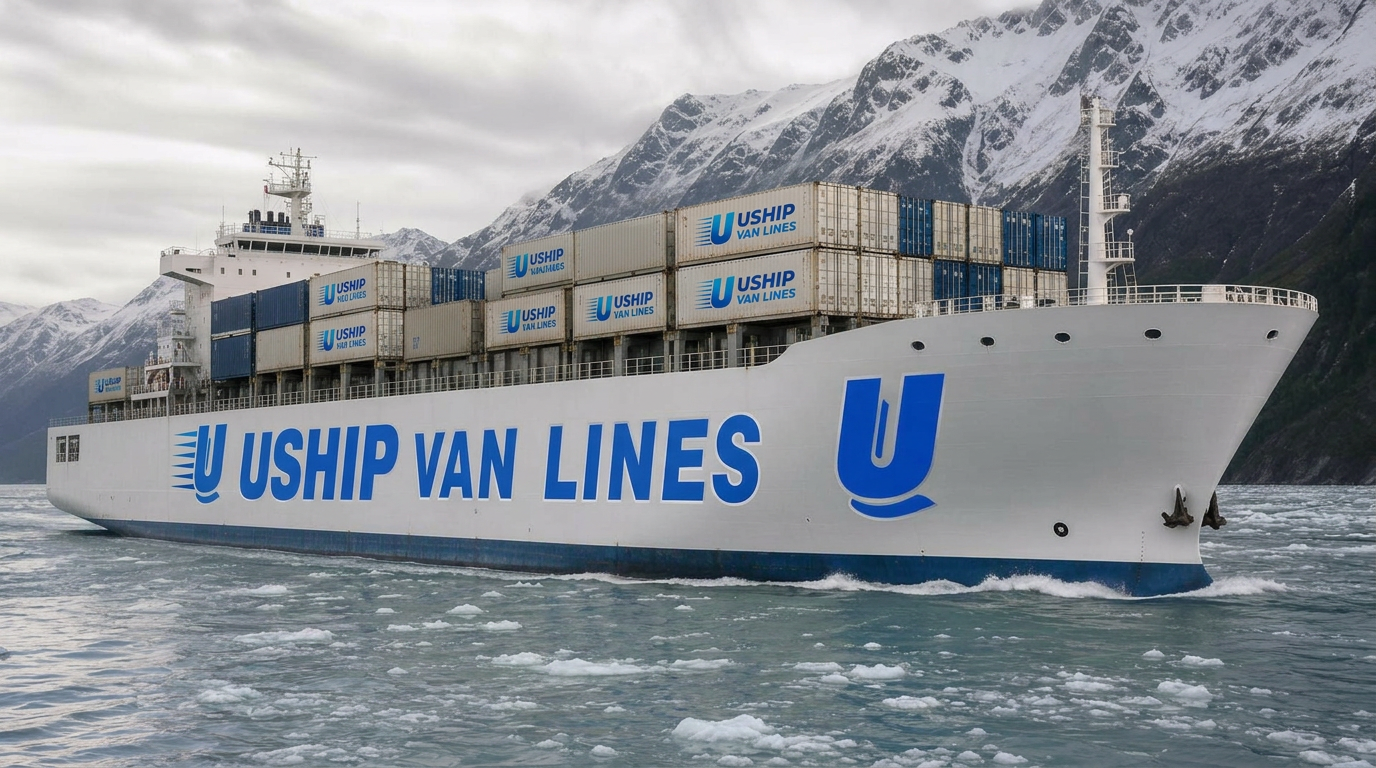
Moving from Alaska to New Orleans, LA
Relocating from Alaska to New Orleans means orchestrating one of the most logistically complex moves in North America. Your household goods will travel by barge from Alaska to the Port of Tacoma, transfer to long-haul trucking, and journey nearly 2,500 miles south to the Crescent City. The transition from Alaska's midnight sun and wilderness to New Orleans' subtropical heat, vibrant culture, and below-sea-level topography requires careful planning, realistic timelines, and an experienced moving partner.
Best Alaska & Hawaii Movers, powered by UShip Van Lines, specializes in these multi-modal Alaska relocations. We coordinate barge schedules, manage port-to-port transfers, handle customs documentation, and deliver door-to-door service from Anchorage, Fairbanks, the Mat-Su Valley, Kenai Peninsula, and even remote bush communities to your new Louisiana address. Ready to start planning? Request a free, no-obligation quote tailored to your specific route and inventory.
Route overview
Understanding the Alaska-to-New Orleans Route
This move spans approximately 3,400 total miles when you account for barge travel from Alaska ports to Tacoma and overland trucking from Washington State through Oregon, California, Nevada or Arizona, New Mexico or Texas, and into Louisiana. The barge leg alone covers roughly 1,500 nautical miles and operates on fixed weekly or bi-weekly schedules depending on season. Once your shipment clears the Port of Tacoma, it transfers to a 53-foot semi-trailer for the southern journey through the Interstate corridor—typically I-5 south, then I-10 east through the Sun Belt—before final delivery in New Orleans.
New Orleans presents unique destination challenges: narrow streets in historic neighborhoods like the French Quarter and Garden District, strict parking regulations, and elevation concerns in flood-prone zones. Professional movers familiar with Louisiana building codes, humidity-related packing requirements, and local delivery restrictions are essential. Unlike moves within the Lower 48, Alaska origin moves require specialized knowledge of barge container specs (typically 20' or 40' ocean containers), Alaska Marine Lines or TOTE Maritime schedules, and USDA restrictions on certain household items entering the contiguous United States.
The route's complexity means planning windows extend far beyond typical interstate moves. Expect to begin coordination 8–12 weeks before your desired delivery date, especially during peak summer moving season when barge capacity fills quickly and trucking demand spikes across the southern tier.
How the moving process works
Step-by-Step: How Your Alaska-to-New Orleans Move Works
Step 1: Free Consultation and Inventory Assessment
Contact Best Alaska & Hawaii Movers for a detailed phone or video walkthrough of your home. We'll assess total cubic feet, identify items requiring special handling (artwork, antiques, electronics sensitive to humidity changes), discuss vehicle shipping if needed, and provide a transparent cost estimate based on current barge and trucking rates. This is the time to disclose any restricted items—certain plants, perishables, ammunition, or hazardous materials cannot travel via barge or across state lines.
Step 2: Barge Schedule Coordination and Booking
We reserve space on the next available barge sailing from your Alaska port (Anchorage, Whittier, or connecting from Fairbanks/Kenai via Anchorage) to Tacoma. Barge schedules are weather-dependent and less frequent October–April, so booking early is critical. You'll receive confirmed sailing dates and expected Tacoma arrival, which drives the entire timeline.
Step 3: Professional Packing and Container Loading in Alaska
Our Alaska-based crew arrives at your home, packs your belongings using climate-appropriate materials (moisture barriers for the humid New Orleans climate), and loads everything into a sealed ocean container. For full-service moves, we handle disassembly of furniture, appliance prep (refrigerators must be defrosted 48 hours prior), and detailed inventory documentation. The container is then transported to the port and loaded onto the barge.
Step 4: Barge Transit to Tacoma (5–7 Days)
Your container sails south through the Inside Passage and along the Pacific coast. Barge companies provide GPS tracking; you'll receive estimated arrival notifications as the vessel approaches Tacoma. Weather delays—especially during fall and winter storm seasons—can add 1–3 days.
Step 5: Port Transfer and Customs Clearance
At the Port of Tacoma, your container is offloaded, inspected by USDA/Customs (if applicable), and transferred to a truck chassis. This port dwell time typically takes 2–4 business days. Any agricultural or customs holds can extend this phase, which is why prohibited-item compliance is crucial during packing.
Step 6: Cross-Country Trucking (5–7 Days)
A dedicated semi-trailer hauls your container from Tacoma southeast through the I-5 and I-10 corridors. Drivers log mandatory rest periods per federal DOT regulations, and the route traverses mountain passes, desert stretches, and the Gulf Coast approach. Real-time tracking updates keep you informed of progress.
Step 7: Delivery and Unpacking in New Orleans
Upon arrival in New Orleans, our delivery team contacts you to schedule a 2–4 hour delivery window. We navigate local streets (some require special permits for large trucks), unload your container, place furniture in designated rooms, and—if you've selected full-service—unpack boxes and remove debris. Final walkthroughs confirm all items arrived as documented, and you sign off on the bill of lading.
Estimated moving costs
What Does an Alaska-to-New Orleans Move Cost?
A typical 2–3 bedroom household move from Alaska to New Orleans ranges from $8,500 to $16,000, depending on total volume, service level, and seasonal demand. This estimate assumes approximately 800–1,200 cubic feet of household goods (roughly a 20-foot container's worth) and includes barge fees, port handling, long-haul trucking, basic liability coverage, and standard delivery.
Key cost drivers include:
- Total cubic footage/weight: Barge pricing is based on container size (20' vs. 40') or shared container space. Overland trucking from Tacoma adds per-mile and fuel surcharge costs for the 2,500-mile haul.
- Service level: Self-pack (you load a container dropped at your home) runs $6,500–$10,000; full-service packing, loading, and unpacking increases costs by $2,500–$4,500.
- Origin location within Alaska: Fairbanks, Mat-Su Valley, and Kenai Peninsula moves require additional trucking to Anchorage ports, adding $800–$2,200. Remote bush locations involve bush plane or seasonal barge feeder services, significantly raising costs.
- Seasonal timing: May–September is peak season for Alaska moves; barge and trucking rates can be 20–35% higher than off-season (October–April). Winter moves face fewer sailings and potential weather delays but lower base rates.
- Vehicle shipping: Adding a car or truck (shipped separately via auto carrier from Tacoma to New Orleans) costs an additional $1,800–$3,200.
- Valuation coverage: Basic liability (60¢ per pound) is included; full-value protection insurance runs 1.5–3% of declared inventory value.
- Storage: If your New Orleans home isn't ready, climate-controlled storage in Tacoma or Louisiana costs $150–$400 per month for a 20' container's contents.
We never guarantee prices without a formal inventory assessment. Request a detailed quote to receive a binding or binding-not-to-exceed estimate based on your specific circumstances. All estimates include transparent breakdowns of barge fees, trucking, labor, and materials—no hidden surcharges.
Estimated transit times
Realistic Timeline: How Long Does the Move Take?
Door-to-door transit from Alaska to New Orleans typically requires 14–21 days under normal conditions, broken down as follows:
- Packing and container loading in Alaska: 1–2 days (depending on home size and service level)
- Container drayage to Alaska port and barge loading: 1–3 days (varies by origin city distance to Anchorage/Whittier)
- Barge sailing to Tacoma: 5–7 days (Inside Passage and coastal route; weather-dependent)
- Port of Tacoma offload, customs, and truck transfer: 2–4 business days (USDA inspections can add time)
- Overland trucking Tacoma to New Orleans: 5–7 days (approximately 2,500 miles via I-5/I-10; includes mandatory driver rest periods)
- Final delivery window coordination: scheduled within 24–48 hours of arrival in New Orleans metro
Total estimated range: 14–21 days from final pack-out in Alaska to delivery in Louisiana.
Winter moves (November–March) can extend timelines by 3–7 days due to reduced barge frequency, mountain pass weather (Cascades, Rockies), and occasional Gulf Coast storm delays. Summer moves benefit from more frequent sailings but face higher demand and potential port congestion. Always build in buffer time if you have firm lease end dates or closing deadlines—we recommend starting your move process 10–12 weeks before your target delivery date to secure optimal barge schedules and avoid rush fees.
Regional logistics
Alaska-Specific Logistics and New Orleans Delivery Considerations
Port and Barge Operations
Most Alaska household goods ship through the Port of Anchorage or Whittier (for Prince William Sound access). Fairbanks, Mat-Su, and Kenai moves truck to Anchorage first. We coordinate with Alaska Marine Lines or TOTE Maritime for barge bookings; containers are loaded onto roll-on/roll-off vessels or container ships depending on schedule and capacity. Bush locations (Nome, Bethel, Kotzebue, Southeast Alaska villages) may require seasonal barge feeder services or bush plane freight for initial consolidation—expect significantly higher costs and extended timelines.
Container Specifications
Standard ocean containers are 20' (1,100–1,300 cu ft) or 40' (2,300–2,700 cu ft). Shared container options (your goods consolidated with other shipments) reduce costs for smaller moves. Full-service packing ensures proper weight distribution and tie-down to prevent shifting during barge transit through open ocean swells.
Vehicle Shipping
Vehicles cannot ride on the same barge as household goods for insurance and safety reasons. If you're shipping a car or truck, it travels via dedicated auto carrier from Alaska to Tacoma (5–9 days), then by truck or train to New Orleans (7–10 additional days). Total vehicle transit: 12–19 days, costing $1,800–$3,200. Drive-away services (professional driver delivers your vehicle) are an alternative if you're flying south.
Customs, Agriculture, and Restricted Items
Alaska-to-Lower-48 moves trigger USDA agricultural inspections in Tacoma to prevent pest/disease introduction. Prohibited items include potted plants, soil, certain seeds, untreated wood, raw animal products, and invasive species. Firearms and ammunition require special documentation and cannot travel in standard household goods containers. Perishables, flammable liquids, and pressurized containers are also banned.
New Orleans Delivery Challenges
The French Quarter, Marigny, and parts of Uptown feature narrow streets, low-clearance oak canopies, and strict parking enforcement. Large moving trucks often cannot access these addresses directly; shuttle trucks or hand-carry services may be required (additional fees apply). Stilt homes and elevated first floors (flood mitigation) mean extra labor for stair carries. Humidity control is critical—unpack boxes within 48 hours to prevent mold and mildew in paper goods, fabrics, and wood furniture. Best Alaska & Hawaii Movers coordinates with local delivery teams experienced in New Orleans' unique layout and building codes.
Seasonal considerations
Best Times to Move from Alaska to New Orleans
Summer (May–August): Peak Season, Maximum Flexibility
Barge sailings run weekly or bi-weekly, and weather is most predictable along the Pacific coast. However, this is Alaska's primary moving season—expect premium rates (15–30% above off-season) and the need to book 8–12 weeks in advance. New Orleans' summer heat and humidity mean your belongings will transition from cool Alaska storage to 90°F+ temps with 80% humidity; proper packing materials (moisture barriers, climate-controlled trucking) are essential. Hurricane season (June–November) poses minimal risk to the move itself but can delay final delivery if storms approach the Gulf Coast.
Fall (September–October): Shoulder Season Sweet Spot
Early fall offers moderate pricing and still-reliable barge schedules before winter reductions. Alaska weather remains manageable through September, and New Orleans' October climate is pleasant for moving day. This window balances cost savings (10–20% below summer peak) with service availability. Book 6–8 weeks out.
Winter (November–March): Lowest Rates, Fewest Sailings
Barge schedules drop to once every 2–3 weeks, and Alaska winter weather can delay container pickup from remote areas. However, pricing hits annual lows—sometimes 25–35% below summer. Cross-country trucking faces snow risks in mountain passes (Cascades, northern Rockies) but generally remains reliable on major interstates. New Orleans winter (mild, 50–65°F) is ideal for settling in. Best for flexible timelines and budget-conscious movers. Book 8–10 weeks ahead due to limited sailing windows.
Spring (April–early May): Transition Period
Barge schedules ramp up, and pricing begins seasonal climbs. Alaska's late breakup season can make rural road access unpredictable. If your timeline allows, early April bookings capture lower rates before the summer surge. New Orleans spring is beautiful—azaleas blooming, Jazz Fest season—but the moving industry is already accelerating toward peak.
Why choose Best Alaska & Hawaii Movers
Why Best Alaska & Hawaii Movers for Your Alaska-to-New Orleans Relocation
-
Alaska Barge Specialists: We coordinate weekly with Alaska Marine Lines and TOTE Maritime, securing priority bookings and managing port logistics that general moving brokers simply outsource. Our Anchorage-based partners provide in-state packing and loading expertise.
-
True Door-to-Door Service: Unlike companies that only handle the barge leg, we manage the entire chain—Alaska pickup, barge coordination, Tacoma port transfer, cross-country trucking, and final New Orleans delivery. One point of contact, one contract, one accountability.
-
Transparent Pricing, No Surprises: Every quote includes itemized barge fees, trucking costs, labor, materials, and insurance options. We explain seasonal pricing fluctuations, potential surcharges (stair carries, long carries, storage), and build realistic timelines—no bait-and-switch tactics.
-
Powered by UShip Van Lines: Our partnership with UShip Van Lines gives you access to a vetted carrier network, real-time shipment tracking, and customer support infrastructure that independent brokers can't match. You get boutique Alaska expertise backed by national logistics resources.
-
Climate-Aware Packing: We understand the drastic climate shift from Alaska's dry cold to Louisiana's subtropical humidity. Our packing crews use moisture barriers, climate-controlled trucking options, and proper material selection to protect wood furniture, electronics, and sensitive items during the transition.