
Moving from Alaska to Long Beach, CA
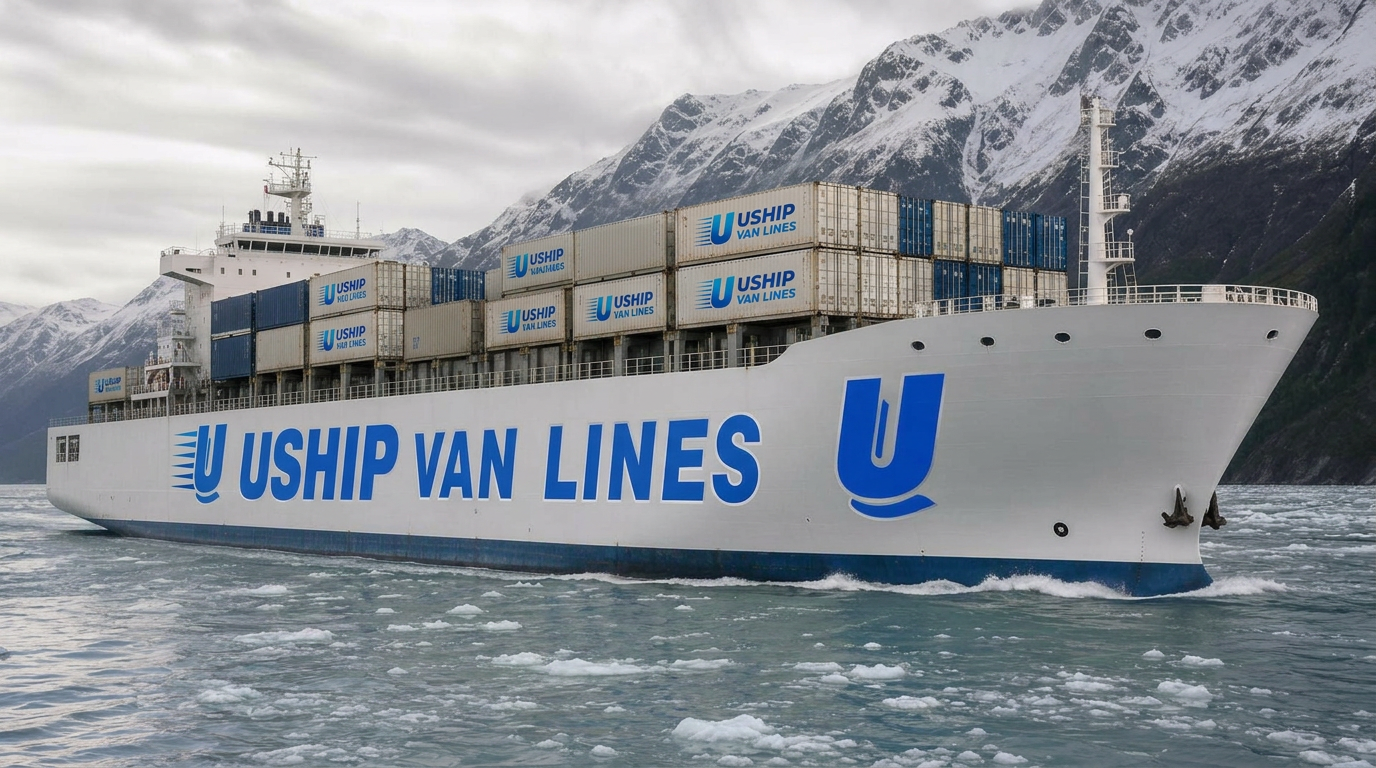
Moving from Alaska to Long Beach, CA means navigating one of the most logistically complex domestic relocations in the United States. Your household goods will travel by ocean barge from the Port of Anchorage to the Port of Tacoma, then overland through California's extensive highway network to reach the vibrant coastal city of Long Beach. This multi-modal journey combines marine shipping with ground transportation, requiring careful coordination and realistic timeline expectations.
Best Alaska & Hawaii Movers, powered by UShip Van Lines, specializes in these exact Alaska-to-Lower 48 routes. We handle the entire chain—pickup anywhere in Alaska, barge booking and tracking, Tacoma port coordination, and final delivery to your Long Beach address. Ready to start planning your move with experienced professionals who understand Alaska's unique challenges? Request a free quote tailored to your specific route and household size.
Route overview
Understanding the Alaska to Long Beach Route
The journey from Alaska to Long Beach covers approximately 2,400 miles and involves at least two distinct transportation modes. Your belongings begin their journey at your Alaska residence—whether that's Anchorage, Fairbanks, the Mat-Su Valley, the Kenai Peninsula, or even remote bush communities accessible only by air or seasonal road. From there, your household goods travel by truck to the Port of Anchorage, where they're loaded into ocean-worthy containers for the barge voyage south.
The barge crossing from Anchorage to Tacoma typically takes 5–7 days depending on weather and sailing schedules. Once your container arrives at the Port of Tacoma in Washington, it's offloaded, cleared through customs (if applicable), and transferred to a long-haul truck for the 1,100-mile drive down Interstate 5 and connecting highways to Long Beach. This southern California destination offers year-round mild weather, Pacific beaches, and proximity to Los Angeles—a dramatic contrast to Alaska's climate and geography.
Long Beach sits in Los Angeles County with a population exceeding 460,000, making it California's seventh-largest city. The area's dense traffic, strict parking regulations, and urban logistics require experienced movers who understand both Alaska's remote challenges and California's metropolitan complexities. Timing your move to avoid peak summer barge season and coordinating delivery windows with Long Beach's parking permit requirements are just two examples of the planning expertise required for this route.
How the moving process works
How Your Alaska to Long Beach Move Works
-
Initial Survey and Quote: We assess your inventory via video call or detailed questionnaire, noting any oversized items, vehicles, or special requirements. You'll receive a comprehensive quote covering pickup, barge freight, overland transport, and delivery—with no hidden fees.
-
Pre-Move Planning and Scheduling: Alaska barge sailings operate on fixed schedules, typically weekly during peak season (May–September) and bi-weekly or less frequently during winter months. We reserve your container space 3–6 weeks in advance and coordinate your pickup date to align with sailing schedules and your Long Beach arrival timeline.
-
Alaska Pickup and Packing: Our crew arrives at your Alaska location with appropriate packing materials. We professionally pack fragile items, disassemble furniture, and load your belongings into our truck. If you're in a remote location, we coordinate the logistics—whether that means scheduling around weather, arranging barge service to an island community, or planning seasonal road access.
-
Port Delivery and Container Loading: Your household goods are transported to the Port of Anchorage and loaded into a sealed, weather-resistant container. We complete all required marine shipping documentation, including detailed inventories and bills of lading. Your container is then loaded aboard the Alaska Marine Highway barge or commercial freight vessel bound for Tacoma.
-
Ocean Transit and Tracking: During the 5–7 day barge crossing, we monitor your shipment's progress. While containers are sealed and secure during ocean transit, we maintain communication about arrival schedules and any weather-related delays that might affect docking times.
-
Tacoma Port Processing and Overland Transfer: Upon arrival at the Port of Tacoma, your container is offloaded and cleared through port operations. We transfer your belongings to a long-haul truck equipped for the 2–3 day journey south through Washington, Oregon, and into California. This leg covers approximately 1,100 miles on Interstate 5 and connecting routes.
-
Long Beach Delivery and Unloading: We coordinate your delivery window, accounting for Long Beach traffic patterns and any building-specific requirements (elevator reservations, loading dock access, parking permits). Our crew unloads, reassembles furniture, and places items in designated rooms. You inspect the shipment and sign off on the delivery inventory before we depart.
Estimated moving costs
What to Expect: Cost Ranges for Alaska to Long Beach Moves
A typical 2-bedroom household (approximately 5,000–7,000 pounds) moving from Alaska to Long Beach generally costs between $6,800 and $11,500. A larger 3-bedroom home (8,000–12,000 pounds) typically ranges from $10,500 to $16,800. These estimates reflect the complete door-to-door service including Alaska pickup, barge freight, Tacoma port handling, overland transportation to Long Beach, and final delivery.
Several factors significantly impact your final cost. Volume and weight remain the primary drivers—ocean freight is billed by cubic footage or container space, while overland transport considers both weight and distance. Pickup location within Alaska matters considerably: Anchorage-area moves cost less than Fairbanks (requiring additional 360-mile trucking) or Kenai Peninsula locations. Remote bush communities accessible only by air or seasonal ferry add substantial costs for initial transport to the Port of Anchorage.
Seasonal timing affects pricing dramatically. Summer months (May–September) see peak demand for Alaska moves, with barge space at a premium and rates 20–35% higher than winter. Conversely, moving between October and April often yields significant savings, though you'll face more limited sailing schedules and potential weather delays. Additional services like full professional packing, vehicle shipping (common for Alaska relocations), storage at either end, or specialty item handling (pianos, artwork, gun safes) add to base costs but provide valuable protection and convenience.
Long Beach delivery logistics may include parking permits, long-carry fees if movers must travel more than 75 feet from truck to door, or stair-carry charges for buildings without elevator access. We provide detailed quotes that itemize each cost component, ensuring you understand exactly what you're paying for and can make informed decisions about optional services.
Estimated transit times
Realistic Timeline: Door-to-Door Transit from Alaska to Long Beach
Plan for a total transit time of 14–24 days from pickup at your Alaska residence to delivery in Long Beach. This range accounts for normal operations without significant weather disruptions or logistical complications. Understanding each leg helps you plan temporary housing, coordinate closing dates, and manage expectations.
Alaska pickup to Port of Anchorage (1–3 days): Local Anchorage moves may load and deliver to port same-day or next-day. Fairbanks pickups require 1–2 days for the 360-mile journey south. Kenai Peninsula, Mat-Su Valley, and other road-accessible locations typically add 1–2 days. Remote communities requiring air freight or seasonal ferry/barge service to reach Anchorage can add 3–10 days depending on weather and schedules.
Port staging and barge departure (1–7 days): Your container arrives at the Port of Anchorage and waits for the next scheduled sailing. During peak season, sailings depart weekly and wait times are minimal. During off-season, you might wait 5–7 days for the next departure. We schedule your pickup to minimize this staging time.
Ocean transit to Tacoma (5–7 days): The barge crossing from Anchorage to Tacoma averages 5–7 days in good weather. Winter storms or mechanical issues occasionally extend this to 8–10 days, though such delays are uncommon with reputable carriers.
Tacoma port processing (1–3 days): Offloading, customs clearance (if required), and transfer to overland carriers typically takes 1–2 business days. Weekends, holidays, or port congestion can extend this to 3 days.
Overland transport to Long Beach (2–3 days): The 1,100-mile drive from Tacoma through Washington, Oregon, and into California takes 2–3 days for dedicated freight. We coordinate your delivery window once the truck departs Tacoma, providing 24–48 hour notice of arrival.
Weather, mechanical issues, port congestion, and seasonal variables all affect these timelines. We maintain realistic expectations and constant communication, updating you as your shipment progresses through each stage.
Regional logistics
Alaska-Specific Logistics: What Makes This Route Unique
Port and barge operations dominate Alaska moving logistics. The Port of Anchorage handles the vast majority of Alaska freight, with containers loaded via specialized equipment designed for Alaska's tidal extremes (some of the highest in North America). Your belongings travel in sealed, weather-resistant containers that protect against salt spray, moisture, and temperature swings during the ocean crossing. We handle all marine documentation, including bills of lading, customs forms if you have international items, and port authority paperwork.
Vehicle shipping is extremely common on this route, as many Alaska residents own vehicles poorly suited to California emissions standards or want to avoid the 2,400-mile drive. Vehicles can ship via the same barge (driven into roll-on/roll-off vessels) or on specialized auto carriers. Barge shipping costs $1,200–$2,000 per vehicle Anchorage to Tacoma, with additional fees for overland transport to Long Beach. We coordinate vehicle and household goods shipping to arrive within similar timeframes.
Remote pickup logistics separate experienced Alaska movers from standard long-distance carriers. If you're in Fairbanks, we coordinate the 360-mile haul south. Kenai Peninsula, Mat-Su Valley, and Homer moves require scheduling around ferry schedules or seasonal road conditions. True bush communities (accessible only by plane or seasonal ice road) may require freight to be flown to Anchorage or staged until seasonal access opens. We assess these requirements during your quote process and build realistic timelines.
Last-mile delivery in Long Beach requires urban expertise. California's strict parking regulations, narrow streets in certain neighborhoods, and multi-story buildings without loading docks demand careful planning. We secure parking permits in advance, coordinate building access and elevator reservations, and schedule deliveries during off-peak traffic hours when possible. Long Beach's proximity to the Port of Long Beach (one of the busiest in the world) means traffic congestion around port areas, which we account for in delivery scheduling.
Regulatory compliance includes DOT registration for interstate carriers, proper insurance coverage (marine and overland), and adherence to California's strict environmental and labor regulations. Best Alaska & Hawaii Movers operates through UShip Van Lines, maintaining all required federal and state operating authorities for both Alaska and California moves.
Seasonal considerations
Timing Your Move: Seasonal Factors for Alaska to Long Beach Relocations
Summer (May–September) represents peak moving season for Alaska departures. Barge sailings run weekly, roads are fully accessible, and weather is most predictable—but demand drives prices 20–35% higher than off-season. Book 6–8 weeks in advance to secure container space and preferred dates. Long Beach summers are hot and dry, making delivery pleasant but parking and traffic more congested as tourist season peaks in Southern California.
Fall (October–November) offers a sweet spot for many movers. Barge schedules remain fairly regular through October, prices begin dropping after Labor Day, and you'll avoid both peak summer demand and harsh winter weather. Early fall sees Alaska's termination dust (first mountain snow) and cooling temperatures, while Long Beach enjoys mild, comfortable conditions. Book 4–6 weeks ahead during this transitional period.
Winter (December–March) presents the lowest prices and least competition for barge space—but comes with significant trade-offs. Barge sailings reduce to bi-weekly or monthly schedules, meaning less flexibility in departure dates. Winter storms can delay ocean crossings by several days. Certain Alaska locations become inaccessible due to ice roads closing or seasonal ferry service suspending. However, if your schedule is flexible and you're prepared for potential delays, winter moves can save $1,500–$3,000. Long Beach winters are mild and rainy compared to summer, but far more pleasant than Alaska's sub-zero temperatures and limited daylight.
Spring (April–May) sees increasing barge frequency as carriers ramp up for summer season. Prices remain moderate through April, then climb in May as demand surges. Alaska's spring thaw can create muddy, challenging road conditions in rural areas, while Long Beach enjoys beautiful spring weather ideal for moving. Book 5–7 weeks in advance as schedules fill up approaching peak season.
Regardless of season, Alaska weather remains unpredictable. Build buffer time into your plans, maintain flexible closing dates if possible, and purchase travel insurance if your move coordinates with flights or temporary housing bookings.
Why choose Best Alaska & Hawaii Movers
Why Choose Best Alaska & Hawaii Movers for Your Alaska to Long Beach Move
-
Alaska Specialization: We operate dedicated Alaska routes year-round, maintaining relationships with barge carriers, Port of Anchorage logistics providers, and local trucking partners throughout the state. This isn't an occasional specialty route—it's our core business, meaning we understand ice road schedules, bush plane freight, and Alaska's unique challenges that generic nationwide movers simply don't encounter.
-
Transparent, Itemized Pricing: You'll receive a detailed quote breaking down barge freight, pickup costs, overland transport, delivery fees, and any optional services. No hidden charges, no surprise fuel surcharges, no bait-and-switch tactics. Our price is our price, confirmed in writing before you commit.
-
End-to-End Coordination: One point of contact manages your entire move from Alaska pickup through Long Beach delivery. We coordinate barge bookings, track your shipment across ocean and land, handle port paperwork, and schedule your final delivery—you're never bounced between subcontractors or left wondering where your belongings are.
-
Powered by UShip Van Lines: Our partnership with UShip Van Lines provides the operational infrastructure, insurance coverage, and regulatory compliance of an established interstate carrier, combined with our specialized Alaska and Hawaii expertise. You get boutique service with enterprise reliability.
-
Realistic Timelines and Proactive Communication: We set honest expectations about transit times, seasonal variables, and potential delays. You'll receive updates at each stage—pickup complete, container loaded on barge, arrival in Tacoma, departure for California, and 24-hour delivery notice. If weather or logistics issues arise, we communicate immediately with solutions, not excuses.