
Moving from Alaska to Lakewood, CO
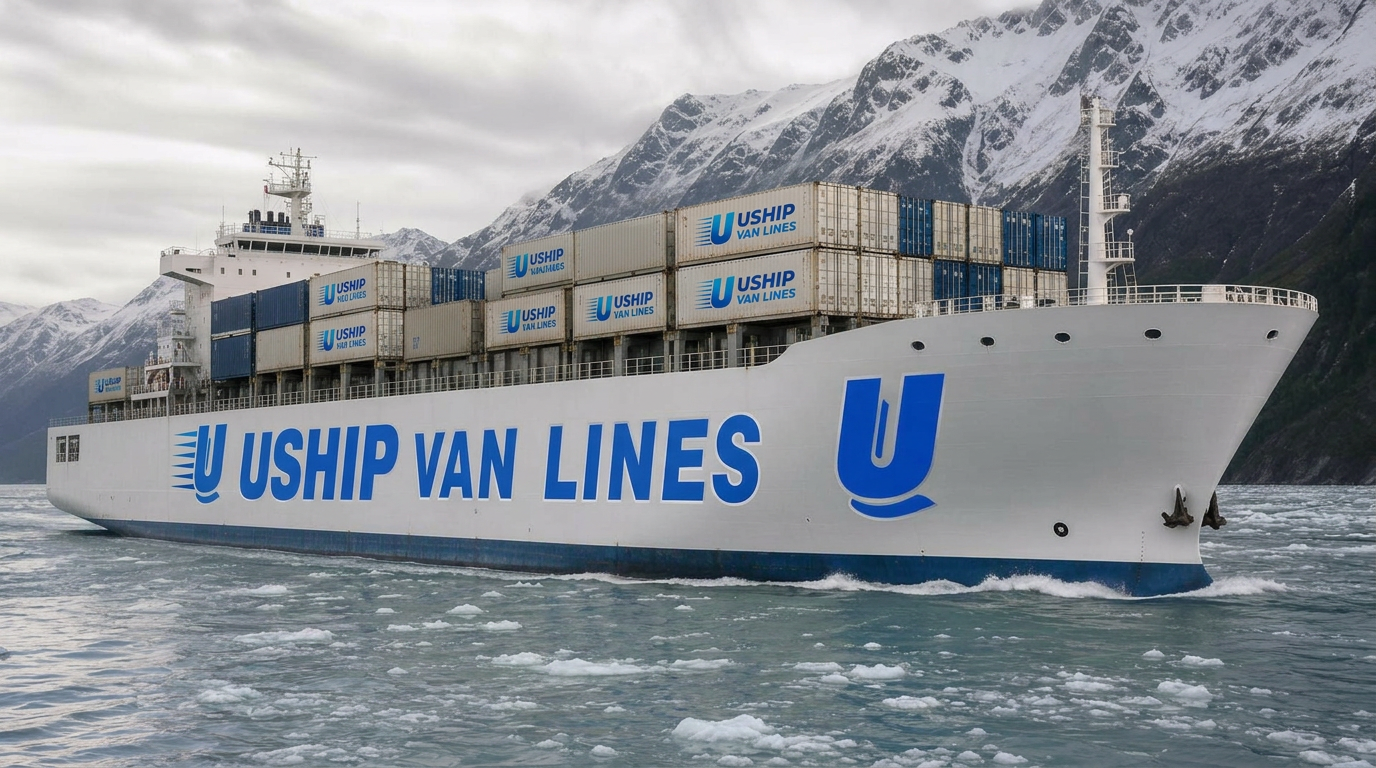
Relocating from Alaska to Lakewood, Colorado, combines the complexity of barge shipping with a straightforward overland haul—but the logistics demand precision. Whether you're leaving Anchorage, Fairbanks, or a remote Mat-Su community, your household goods will travel by ocean barge to the Port of Tacoma, then overland through the Rockies to Lakewood's vibrant neighborhoods near Denver.
Best Alaska & Hawaii Movers, powered by UShip Van Lines, coordinates every phase—port scheduling, customs paperwork, secure container loading, and final delivery to your Lakewood address. Ready to simplify your Alaska-to-Colorado move? Request a free, no-obligation quote and connect with specialists who understand the unique demands of this route.
Route overview
Understanding the Alaska to Lakewood, CO Route
This move spans approximately 2,400 miles and crosses two distinct transportation modes. Your belongings depart Alaska via the Port of Anchorage, Whittier, or another regional port, loaded into 20- or 40-foot shipping containers. The ocean leg sails south through the Inside Passage or Gulf of Alaska to the Port of Tacoma, Washington—the primary gateway for Alaska freight.
Once containers clear the port and are transferred to overland carriers, the journey continues southeast through Washington, Idaho, and into Colorado. The final leg navigates I-25 south from Wyoming or I-70 west from the plains, delivering directly to Lakewood's residential streets. The combination of marine and highway segments means coordination and timing are critical.
Lakewood sits at 5,430 feet elevation on Denver's western edge, bordered by the foothills. Unpacking at altitude after weeks in transit requires careful handling of temperature-sensitive items, and scheduling around Front Range weather—especially winter storms—affects final delivery windows.
How the moving process works
How Your Alaska to Lakewood Move Works: Step-by-Step
-
Free Consultation and Inventory Assessment
Contact Best Alaska & Hawaii Movers for a detailed inventory review. We'll assess volume, special items (firearms, ATVs, kayaks), and Alaska pickup logistics—whether you're in downtown Anchorage or off the road system. -
Container Selection and Packing
Choose between a dedicated 20-foot container (approximately 1,100 cubic feet) or shared space in a 40-foot container for smaller loads. Professional packing services ensure fragile items survive ocean swell and highway vibration. -
Pickup and Port Delivery in Alaska
Our Alaska team collects your goods and transports them to the departure port. For remote locations (Kenai Peninsula, Mat-Su Valley, Fairbanks), allow extra days for last-mile pickup and port staging. -
Barge Transit to Tacoma
Your container sails to Tacoma, typically 5–7 days at sea depending on route and carrier schedule. Marine carriers provide bill of lading and tracking; containers remain sealed throughout the voyage. -
Port Clearance and Overland Transfer
At Tacoma, containers are unloaded, inspected, and transferred to truck chassis. Customs paperwork (for international routing or specific goods) is finalized, and the overland carrier takes possession. -
Highway Transit to Lakewood
The truck hauls your container 1,350 miles southeast, usually 3–4 days of highway travel. Drivers navigate mountain passes and plan around Colorado weather forecasts. -
Final Delivery and Unloading
Your container arrives at your Lakewood address. Our team unloads, places furniture, and removes packing materials. You inspect and sign off, officially completing your Alaska-to-Colorado journey.
Estimated moving costs
What Does an Alaska to Lakewood Move Cost?
A typical 2–3 bedroom household moving from Alaska to Lakewood ranges $6,800–$11,500, depending on volume, services, and season. A studio or 1-bedroom load may cost $4,200–$6,000, while larger 4-bedroom homes can exceed $13,000.
Key cost drivers include:
- Container size and exclusivity: A dedicated 20-foot container costs more than shared space but offers faster, more predictable scheduling.
- Alaska pickup location: Anchorage is straightforward; Fairbanks, Kenai, or off-grid communities add $400–$1,200 for last-mile trucking and extra handling.
- Packing services: Full-service packing (materials, labor, crating) adds $800–$2,500. DIY packing saves money but increases risk of damage.
- Season and barge availability: Summer is peak season; rates climb 15–25%. Winter sailings are less frequent but may offer discounts.
- Vehicle shipping: Adding a car or truck to your container (if space allows) or shipping separately via roll-on/roll-off barge costs $1,800–$3,200.
- Insurance and valuation: Basic liability is included; full-value replacement coverage costs 1–2% of declared value.
- Storage: If your Lakewood home isn't ready, short-term storage in Tacoma or Denver adds $150–$400/month.
We provide itemized quotes with no hidden fees. Prices are estimates—request your personalized quote to lock in accurate costs for your move date and inventory.
Estimated transit times
How Long Does the Move Take?
Door-to-door transit from Alaska to Lakewood typically takes 14–28 days, broken into distinct legs:
- Alaska pickup to port staging: 1–3 days (Anchorage same-day; Fairbanks or remote areas 2–4 days).
- Barge sailing to Tacoma: 5–7 days on the water. Weekly sailings mean you may wait 3–10 days for the next departure if you miss a cutoff.
- Port unloading and overland transfer: 2–4 days for container to clear Tacoma, be inspected, and loaded onto a truck chassis.
- Highway transit to Lakewood: 3–4 days of driving, occasionally 5 if weather or routing requires detours.
- Final delivery window: 1–2 days for scheduling and unloading at your Lakewood address.
Total span: Expect 2–4 weeks under normal conditions. Peak summer moves (June–August) or winter storms can extend timelines by a week. Booking early and choosing midweek delivery windows improves predictability.
Remote Alaska origins (bush communities, Kodiak Island) add 3–7 days for barge or air-freight consolidation to a major port. Expedited service—prioritized barge booking and dedicated overland—can shave 4–6 days but costs 20–35% more.
Regional logistics
Alaska-Specific Logistics You Need to Know
Ports and Scheduling:
Most Alaska household moves depart via Anchorage (Knik Arm), Whittier (rail-served), or Seward. Barge lines run weekly in summer, biweekly off-season. Missing a sailing cutoff can delay your move 7–14 days, so coordination is essential.
Container Loading and Sealing:
Containers are loaded at our warehouse or on-site (for large moves), then sealed and trucked to the port. Marine carriers inspect seals before loading onto the barge. You'll receive a bill of lading and container number for tracking.
Shipping Vehicles:
Cars and trucks can share container space (if volume allows) or ship separately via roll-on/roll-off (RORO) barge. RORO is cheaper but exposes vehicles to salt air. Enclosed container shipping protects classic or high-value vehicles. Both options deliver to Tacoma; overland car transport to Lakewood adds $600–$1,000.
Restricted and Prohibited Items:
Marine carriers prohibit hazardous materials (propane, gasoline, ammunition, chemicals). Firearms are allowed if declared and properly packed. Perishables, plants, and open liquids are discouraged. Alaska-specific items—frozen fish, game meat—require special handling or alternative shipping.
Last-Mile Challenges in Alaska:
If you're moving from a remote or off-road-system location, your goods will be consolidated at a regional hub (Kenai, Palmer, Fairbanks) before port delivery. Bush moves may require small aircraft or seasonal ice-road trucking, adding cost and time.
Tacoma Port Clearance:
Containers arriving in Tacoma are unloaded by port stevedores, inspected, and released to overland carriers. Port congestion (especially summer) can add 1–2 days. Your mover coordinates customs paperwork if applicable.
Lakewood Delivery Access:
Lakewood's neighborhoods vary—some have narrow streets, HOA restrictions, or steep driveways near the foothills. Confirm access for a 53-foot semi or arrange shuttle service with a smaller truck. Coordinate building elevator reservations if moving into a Lakewood condo or apartment.
Seasonal considerations
Best Time to Move from Alaska to Lakewood
Spring (April–May):
Barge schedules ramp up as Alaska thaws. Rates are moderate, and overland routes through the Rockies are mostly clear by late April. Lakewood weather is mild, ideal for unloading. Book 6–8 weeks ahead.
Summer (June–August):
Peak season for Alaska moves. Barge space is tight, and rates are highest. Overland transit is fast and reliable, and Lakewood's warm, dry weather suits unpacking. Expect premium pricing and book 10–12 weeks in advance to secure your preferred dates.
Fall (September–October):
Excellent balance of availability and cost. Barge sailings continue through October; Colorado weather is pleasant. Early snow can hit mountain passes by late October, so finalize moves by mid-month. Book 6–8 weeks out.
Winter (November–March):
Fewest sailings and slowest season. Rates drop 10–20%, but schedules are sparse—sometimes biweekly instead of weekly. Overland transit faces Front Range blizzards and I-70 closures. Your container may sit in Tacoma awaiting safe highway conditions. Only recommended if you have flexible timelines and storage options. Book 8–10 weeks ahead to align with limited barge departures.
Alaska-specific notes: Port of Whittier and Seward close or reduce operations in deep winter. Anchorage remains active year-round but expect weather delays for last-mile pickups in rural areas.
Why choose Best Alaska & Hawaii Movers
Why Best Alaska & Hawaii Movers for Your Alaska to Lakewood Move?
- Alaska & Marine Specialists: We coordinate barge schedules, port logistics, and last-mile pickups across Alaska—from Anchorage high-rises to Mat-Su Valley homesteads—daily.
- End-to-End Coordination: One point of contact manages your entire move: Alaska pickup, barge booking, Tacoma transfer, overland dispatch, and Lakewood delivery. No handoffs, no confusion.
- Transparent, Itemized Pricing: Every quote breaks down container costs, packing, mileage, and fees. No surprise charges, no hidden costs.
- Flexible Scheduling and Storage: Need to store in Tacoma or Denver while your Lakewood home closes? We arrange secure, climate-controlled storage and coordinate delivery when you're ready.
- Powered by UShip Van Lines: Our nationwide overland network ensures reliable highway transit and responsive customer service. Combined with our Alaska expertise, you get the best of both worlds.
- Real-Time Tracking and Updates: Monitor your container from Alaska port to Lakewood doorstep with barge and truck tracking, plus proactive status updates at every milestone.