
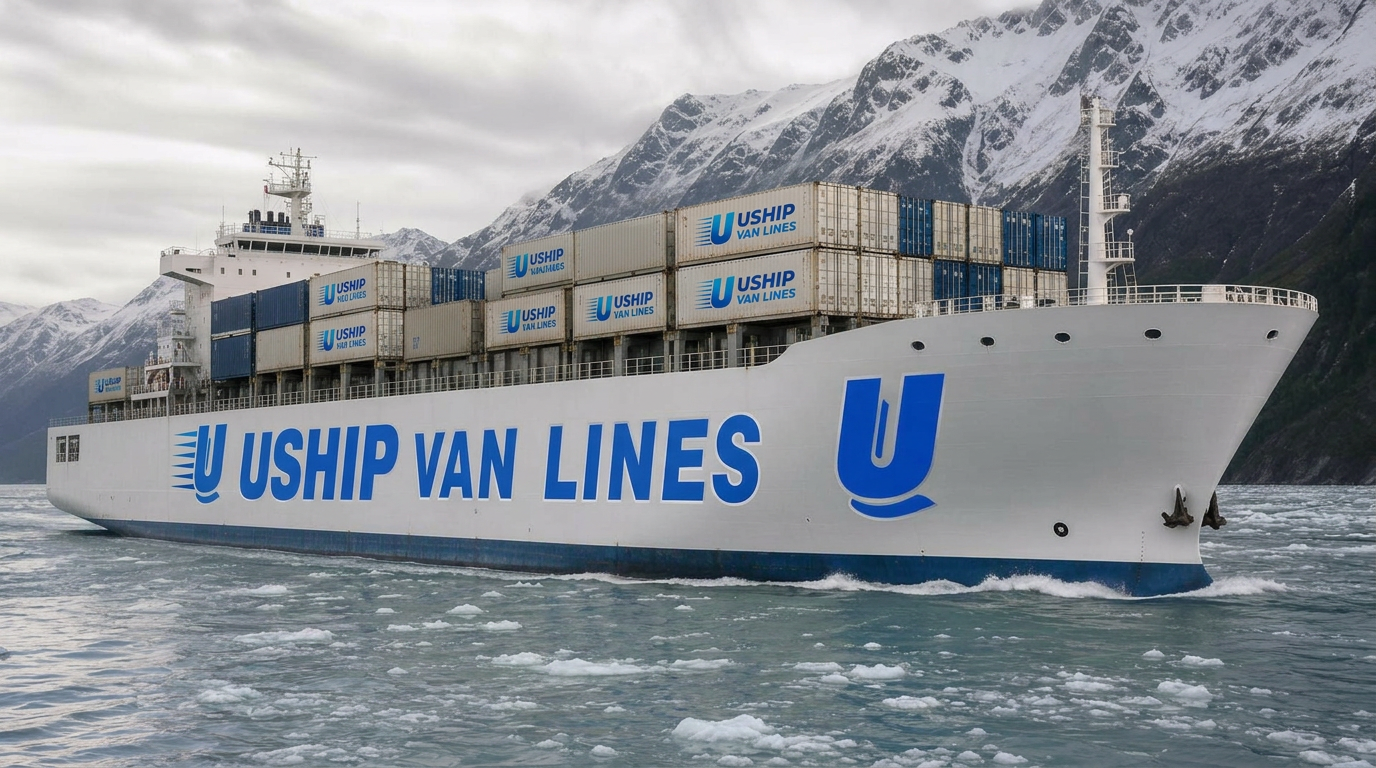
Moving from Alaska to Bridgeport, CT
Relocating from Alaska to Bridgeport, Connecticut requires specialized expertise in multimodal logistics. Your household goods will travel by ocean barge from Anchorage or other Alaska ports to the Port of Tacoma, then transfer to long-haul ground transportation across the continental United States to southwestern Connecticut. This route spans approximately 3,500 miles and crosses multiple climate zones, demanding careful coordination and experienced handling.
Best Alaska & Hawaii Movers, powered by UShip Van Lines, manages every phase of your Alaska-to-Bridgeport move. We coordinate barge scheduling, containerized loading, cross-country trucking, and final delivery to your new Bridgeport address. Our team handles the unique paperwork, weather considerations, and timing challenges that make Alaska moves different from standard continental relocations. Ready to plan your move? Request a detailed quote today.
Route overview
Understanding the Alaska to Bridgeport Moving Route
The Alaska-to-Bridgeport corridor is one of the most logistically complex domestic moving routes in the United States. Most household moves originate from Anchorage, the Mat-Su Valley, Fairbanks, the Kenai Peninsula, or Juneau. Your belongings travel via container on ocean barges departing Alaska ports for Tacoma, Washington—a sea journey of 1,400+ nautical miles through the Inside Passage and coastal Pacific waters.
From Tacoma, your shipment transfers to commercial trucking for the 2,900-mile overland journey to Bridgeport. The route typically follows I-90 across Washington, Idaho, Montana, South Dakota, and into the Midwest, then shifts to I-80 or I-84 eastbound through Pennsylvania before reaching Interstate 95 and Connecticut's Merritt Parkway system. Bridgeport's position on Long Island Sound, midway between New York City and New Haven, makes it accessible via multiple highway approaches, though dense New England traffic and narrow urban streets require experienced drivers for final delivery.
This route demands synchronization between maritime shipping schedules (which run weekly or bi-weekly depending on season), ground transportation availability, and Connecticut's seasonal weather patterns. Winter ice storms and summer construction seasons can affect delivery timing in the final leg, making advance planning essential.
How the moving process works
Step-by-Step Alaska to Bridgeport Moving Process
-
Initial Survey and Quote: Our team conducts a virtual or in-person assessment of your Alaska residence to inventory items, identify special handling needs (pianos, artwork, firearms), and provide a detailed cost estimate. We discuss your preferred moving dates and explain how barge schedules affect departure windows.
-
Barge Schedule Coordination: We reserve container space on the next available barge from your Alaska port to Tacoma. Sailing schedules vary by season—summer offers more frequent departures, while winter runs are less frequent. We provide specific cut-off dates for loading to meet your chosen sailing.
-
Professional Packing and Loading: Our Alaska-based crew arrives at your residence to pack, wrap, and load your belongings into a dedicated shipping container (typically 20' or 40' depending on household size). We use marine-grade packing materials designed to withstand ocean transit humidity and vibration. The loaded container is then transported to the port facility.
-
Ocean Barge Transit: Your container boards the southbound barge for the 3–5 day voyage to Tacoma. We track the vessel and provide status updates. Upon arrival at Tacoma, the container clears the terminal and transfers to our secure staging facility.
-
Cross-Country Ground Transport: A commercial carrier picks up your container for the overland journey to Connecticut. This leg typically takes 5–8 days, following northern or central routes depending on season and road conditions. GPS tracking allows you to monitor progress.
-
Connecticut Delivery Preparation: As your shipment approaches Bridgeport, our delivery team contacts you to schedule a precise delivery window. We coordinate any necessary parking permits for Bridgeport's urban neighborhoods and plan the optimal approach route for your specific street.
-
Final Unloading and Placement: Our crew unloads your container at your Bridgeport residence, places furniture in designated rooms, unpacks items per your instructions, and removes all packing materials. We conduct a final walkthrough to ensure everything arrived in expected condition and address any immediate concerns.
Estimated moving costs
What Does an Alaska to Bridgeport Move Cost?
A typical 2–3 bedroom household move from Alaska to Bridgeport generally ranges from $6,800 to $13,500, depending on volume, services, and timing. A studio or one-bedroom apartment might cost $4,200–$6,500, while larger 4-bedroom homes can reach $15,000–$22,000 or more.
Key cost factors include:
- Shipment volume: Measured in cubic feet or container size (a 20-foot container holds roughly 1,100 cubic feet; a 40-foot container approximately 2,300 cubic feet)
- Barge freight rates: Seasonal fluctuations affect ocean shipping costs; summer peak season typically costs 15–25% more than winter off-season
- Distance from port: Homes in Anchorage or near port facilities cost less than pickups from Fairbanks, remote Kenai communities, or bush locations requiring additional staging
- Packing services: Full professional packing adds $800–$2,200 depending on household size; partial packing or self-packing reduces costs
- Special items: Vehicles shipped separately, boats, ATVs, pianos, gun safes, and fine art require additional handling fees
- Bridgeport delivery factors: Difficult access (narrow streets, no elevator, long carries) may incur extra labor charges
- Insurance coverage: Basic liability is included; full-value replacement protection adds 1–3% of declared shipment value
- Storage: If your Bridgeport residence isn't ready upon arrival, warehouse storage in Connecticut runs $100–$250 per week
We provide binding estimates that lock in your price once the inventory is confirmed. Last-minute changes, additional items, or significantly altered access conditions may adjust the final cost. We never surprise you with hidden fees—all charges are documented in your moving contract.
Estimated transit times
How Long Does Alaska to Bridgeport Moving Take?
Door-to-door transit from Alaska to Bridgeport typically requires 14 to 21 days, though the complete timeline from initial contact to final delivery often spans 4–8 weeks when including planning and scheduling.
Transit breakdown by segment:
- Packing and port delivery (1–3 days): Professional packing and container loading at your Alaska residence, plus transport to the departure port
- Barge transit to Tacoma (3–5 days): Ocean voyage from Alaska ports to Washington state, weather permitting
- Tacoma terminal processing (1–2 days): Container offloading, customs clearance if applicable, and transfer to ground carrier staging
- Cross-country trucking (5–8 days): Overland transport from Tacoma to Bridgeport via northern tier highways
- Delivery coordination (1–2 days): Final scheduling, Bridgeport delivery preparation, and unloading
Factors that extend timelines:
- Winter barge schedules run less frequently (sometimes only 1–2 sailings per month versus weekly summer service)
- Severe weather delays in Alaska (port closures due to storms) or along the cross-country route (blizzards in Montana/Dakotas, ice storms in the Midwest or Northeast)
- Holiday periods when barge and trucking schedules are reduced (Thanksgiving through New Year's, July 4th week)
- Remote Alaska origins requiring additional staging (Fairbanks, Kenai, Kodiak)
- Peak season congestion (May–September) when both Alaska outbound and inbound traffic peaks
We recommend booking 4–6 weeks before your desired Alaska departure date to secure optimal barge space and coordinate your complete timeline. Rush moves are possible but cost significantly more and depend on immediate container availability.
Regional logistics
Alaska-Specific Moving Logistics
Port and Barge Operations: Most Alaska household moves depart through the Port of Anchorage, served by multiple barge lines operating the Alaska Marine Highway System and commercial freight routes. Smaller ports like Whittier, Seward, Kodiak, and Juneau also handle container shipments. Barge schedules are published 4–6 weeks in advance but subject to weather changes. Container cut-off times are strict—typically 48–72 hours before sailing—and missing the cut-off means waiting for the next departure.
Container Loading and Sealing: We load your belongings into dedicated shipping containers at your residence or our warehouse facility. Containers are sealed, photographed, and tracked via unique identification numbers. This "port-to-port" container system minimizes handling and reduces damage risk compared to consolidated freight. You can choose exclusive-use containers or, for smaller moves, consolidated shared containers to reduce costs.
Vehicle Shipping: Many Alaska-to-Connecticut movers also need to transport vehicles. Cars, trucks, and SUVs typically ship separately via Roll-on/Roll-off (RoRo) vessels or enclosed transport. Vehicle shipping adds $1,800–$3,500 depending on vehicle size and shipping method. Ensure vehicles are cleaned (agriculture inspection requirements), contain no personal items, and have less than a quarter tank of fuel.
Alaska Paperwork and Compliance: While Alaska-to-Connecticut moves are domestic and don't require customs, certain items need documentation: firearms must comply with federal transport regulations and Connecticut's strict gun laws; fishing and hunting trophies may need fish and game department certificates; controlled substances (prescription medications) should remain in original packaging. We guide you through all required documentation.
Remote Alaska Locations: Moves from Fairbanks, Kenai Peninsula, Mat-Su Valley, or bush communities require additional coordination. Items may need to travel by smaller truck or even air freight to reach the main port. This adds 2–5 days and $800–$2,500 to the timeline and cost. We handle these logistics through our Alaska partner network.
Bridgeport Delivery Challenges: Connecticut's dense urban environment requires careful planning. Many Bridgeport neighborhoods have narrow streets, limited parking, and strict regulations. Historic districts may restrict truck sizes. High-rise buildings need elevator reservations and certificate of insurance. We secure necessary permits and coordinate with building management in advance.
Seasonal considerations
Best Time of Year to Move Alaska to Bridgeport
Summer (May–September): Peak moving season offers the most frequent barge schedules (often weekly departures), calmer seas, and minimal weather delays. However, expect premium pricing (15–25% higher) and less scheduling flexibility. Bridgeport summers are warm and humid, making unloading more comfortable. Book 6–8 weeks ahead during this busy period.
Fall (October–November): Shoulder season provides a sweet spot—barge schedules remain fairly regular, rates drop 10–15% from summer peaks, and autumn weather is generally stable. Alaska begins experiencing freezing temperatures and early snow, but major storms are still uncommon. Bridgeport fall weather is mild. This period offers good value and availability.
Winter (December–March): Off-season moves offer the lowest rates (20–30% below summer) but face significant challenges. Barge schedules reduce to bi-weekly or even monthly. Alaska experiences extreme cold, short daylight hours, and potential port weather closures. Cross-country routes face blizzard risks in the northern tier states. Connecticut winter storms and ice can delay final delivery. Best for flexible timelines and budget-conscious movers.
Spring (April–early May): Transition period as barge schedules increase toward summer frequency. Rates remain moderate. Alaska experiences breakup season (melting, mud, variable conditions), while cross-country routes face spring flooding risks in the Midwest. Connecticut spring weather is unpredictable (late snow, heavy rain). Availability improves weekly as the season progresses.
Alaska-specific considerations: Permanent Fund Dividend payout (October) triggers substantial outbound migration. Military PCS moves peak June–August. University moves (Alaska Pacific, UAA, UAF) concentrate in late April–May and late August. These patterns affect barge container availability and pricing.
Why choose Best Alaska & Hawaii Movers
Why Choose Best Alaska & Hawaii Movers for Your Alaska to Bridgeport Move
-
Alaska Specialists: We focus exclusively on moves to and from Alaska and Hawaii, giving us deep expertise in barge scheduling, maritime logistics, and the unique challenges of non-contiguous state relocations. We're not a general moving company dabbling in Alaska—this is our core competency.
-
Single-Source Accountability: While powered by UShip Van Lines' nationwide network, you work with one dedicated coordinator from quote through delivery. We manage barge lines, trucking carriers, and local crews so you have a single point of contact rather than juggling multiple vendors.
-
Transparent Pricing: We provide detailed, binding estimates with clear line-item breakdowns. No hidden fuel surcharges, mystery fees, or surprise costs at delivery. You know exactly what you're paying before committing.
-
Real-Time Tracking: Monitor your container's progress from Alaska loading through Tacoma transfer and cross-country transport to Bridgeport delivery. We provide proactive updates at each milestone rather than leaving you wondering where your belongings are.
-
Flexible Service Levels: Choose full-service packing and white-glove delivery, or handle packing yourself to reduce costs. Need short-term storage in Tacoma or Connecticut? We offer secure warehouse facilities. Every move is customized to your timeline, budget, and service preferences.