
Moving from United States to Alaska
Relocating to Alaska on military orders involves unique logistics that differ from standard stateside moves. Whether you're heading to Joint Base Elmendorf-Richardson (JBER), Fort Wainwright, Eielson Air Force Base, or Coast Guard facilities, your household goods will travel by oceangoing barge from the Lower 48 to Alaska's port system, then overland to your final destination.
Best Alaska & Hawaii Movers specializes in military PCS moves to Alaska, coordinating every step from origin pickup through barge transit and final delivery to your new duty station. We understand DOD timelines, weight allowances, and the documentation required for seamless military relocations. Request a free quote today to start planning your Alaska PCS with confidence.
Route overview
How Military Household Goods Reach Alaska
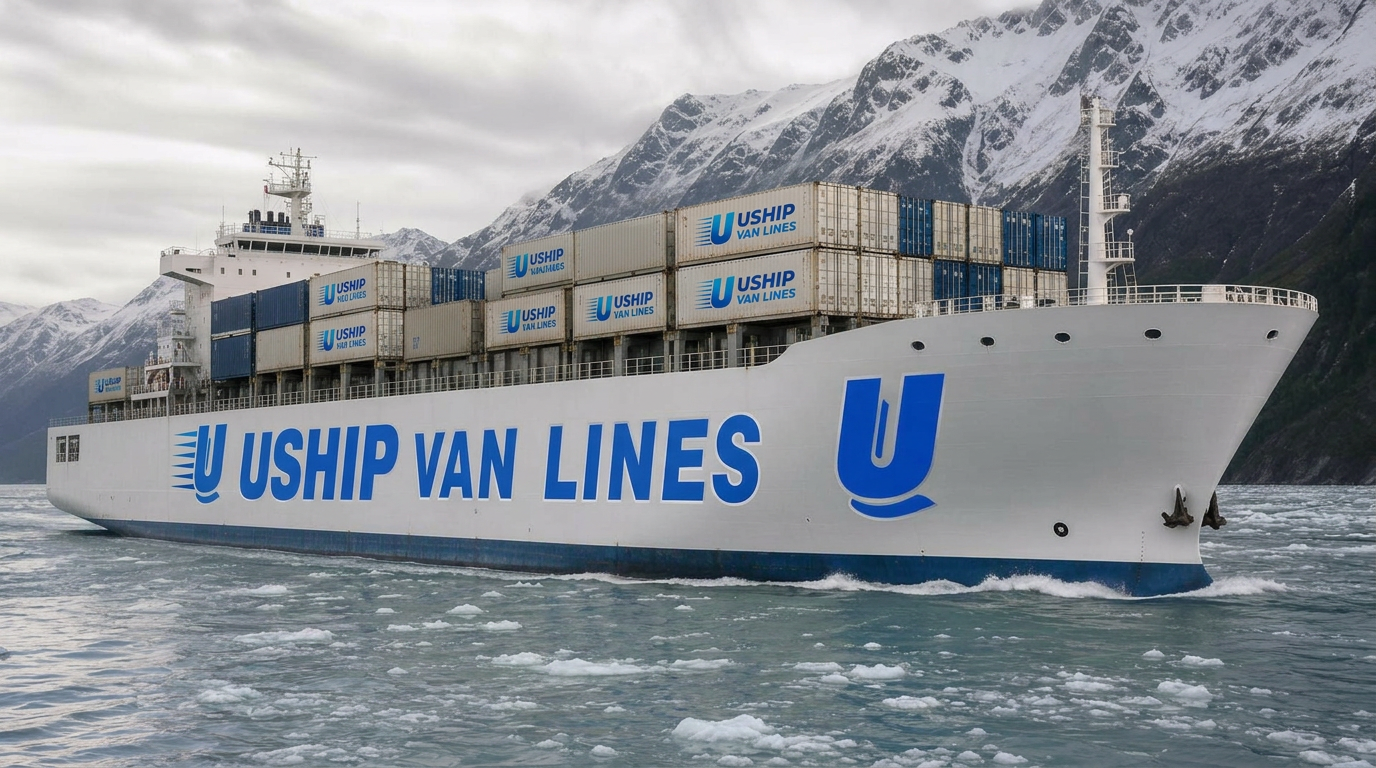
Military PCS moves to Alaska follow a multimodal route: a professional moving crew loads your belongings at your current residence anywhere in the continental United States, trucks the shipment to a West Coast consolidation point (typically Tacoma, Washington), then transfers containers onto oceangoing barges operated by carriers like TOTE Maritime or Matson Navigation. These barges sail north through the Inside Passage to the Port of Anchorage or Port of Whittier.
From the Alaska port, containers are unloaded and trucked to your destination—whether that's Anchorage, Eagle River, Fairbanks, the Matanuska-Susitna Valley, Kenai Peninsula communities, or remote installations. For assignments to locations off the road system (such as Coast Guard stations on the Aleutian Chain or certain Air Force radar sites), additional air or small-vessel transport may be coordinated, though most military bases in Alaska are accessible by highway year-round.
The entire process—origin packing, barge transit, and final delivery—is orchestrated under a single point of contact. Military families benefit from streamlined claims processes, guaranteed delivery windows aligned with PCS orders, and dedicated customer service familiar with Defense Personal Property System (DPS) requirements and entitlements.
How the moving process works
Step-by-Step Military PCS Process to Alaska
-
Submit Orders and Request Estimate: Provide a copy of your PCS orders to Best Alaska & Hawaii Movers. We'll calculate your weight allowance (based on rank and dependents), confirm authorized origin and destination addresses, and deliver a transparent cost estimate if you're coordinating a personally procured move (PPM/DITY) or need supplemental services beyond your military entitlement.
-
Schedule Pre-Move Survey and Packing Date: A moving coordinator will arrange an in-home or virtual survey to assess your shipment volume, identify high-value items requiring special handling, and discuss packing timelines. Most military PCS moves are fully packed by professional crews; we'll coordinate a pack date that aligns with your report date and any temporary lodging arrangements.
-
Origin Packing and Loading: On pack day, a trained crew inventories each item, wraps furniture in protective blankets, and boxes household goods using military-grade packing materials. Every carton is labeled and logged on a detailed inventory that serves as your official shipment record for claims and delivery confirmation.
-
Overland Transport to Tacoma Consolidation Hub: Your containerized shipment travels by truck to our Tacoma staging facility, where it's transferred into ocean freight containers and prepared for barge loading. This leg typically takes 2–5 days depending on your origin city.
-
Barge Transit to Alaska Ports: TOTE Maritime and Matson operate weekly sailings from Tacoma to Anchorage (Port of Anchorage) and Whittier. Transit time is 4–6 days on the water. Your shipment travels in weatherproof containers aboard roll-on/roll-off (RoRo) vessels designed for Alaska's maritime conditions.
-
Port Unloading and Customs Clearance: Upon arrival, containers are offloaded and cleared through any required inspections. Alaska is a U.S. state, so no customs duties apply, but agricultural inspections may occur if you're shipping certain plants or food items (generally discouraged).
-
Final Delivery to Your Duty Station: A local Alaska delivery crew transports your goods to your on-base housing or off-base residence. You'll walk through the delivery with the crew, checking inventory and noting any visible damage on the delivery receipt. Unpacking services are available upon request and often covered under military move entitlements.
Estimated moving costs
What a Military PCS to Alaska Costs
For service members using their full military moving entitlement, the government covers transportation costs up to your authorized weight allowance (ranging from 5,000 lbs for junior enlisted without dependents to 18,000 lbs for senior officers with families). If you stay within your allowance and use a DOD-contracted carrier, you typically pay nothing out of pocket.
Personally Procured Moves (PPM/DITY): If you arrange your own move and get reimbursed, the government pays a percentage of what it would have cost to move you (currently 95–100% of the government constructed cost). For a typical 10,000-lb household (roughly a 3-bedroom home) moving from the Lower 48 to Anchorage, the constructed cost ranges from $12,000 to $18,000, depending on origin distance and seasonal demand. A well-organized PPM can yield a cash incentive if your actual expenses come in lower.
Excess Weight or Supplemental Services: If your shipment exceeds your weight allowance, expect to pay approximately $1.20–$1.80 per pound for the overage, given the barge and last-mile components. Additional services—such as vehicle shipping (sedan $1,400–$2,200, SUV/truck $1,800–$2,800), temporary storage in Tacoma or Alaska (around $150–$300/month for a small unit), or expedited delivery—incur separate charges.
Key Cost Drivers: Distance from your origin to Tacoma, shipment weight and volume, delivery location in Alaska (Anchorage is less expensive than Fairbanks or remote areas due to longer trucking), and timing (summer demand can increase rates by 10–15%). Always request a detailed line-item quote and confirm which expenses are covered by your military orders versus personal responsibility.
Estimated transit times
How Long Your Military PCS to Alaska Takes
Door-to-door transit for a military PCS to Alaska typically spans 12–21 days, broken down as follows:
- Origin to Tacoma: 2–5 days for overland truck transport from most Lower 48 locations. Shipments from the East Coast or Deep South may take up to 7 days.
- Tacoma Staging and Loading: 1–3 days for container transfer and barge scheduling. TOTE and Matson sailings depart Tacoma 2–3 times per week.
- Barge Transit: 4–6 days on the water from Tacoma to Anchorage or Whittier. Weather delays are rare but possible during severe winter storms.
- Port Discharge and Trucking: 1–3 days for container unloading and final-mile delivery to Anchorage-area addresses; add 1–2 additional days for Fairbanks, Kenai, or Mat-Su Valley destinations.
Expedited Service: If your report date is tight, expedited loading and priority barge space can shorten the timeline to 10–14 days for an additional fee (typically $800–$1,500). Coordinate early with your moving company and ensure your orders reflect any accelerated timelines.
Peak Season Considerations: June through August is peak PCS season for Alaska. Book at least 4–6 weeks in advance to secure your preferred delivery window and avoid last-minute delays.
Regional logistics
Alaska-Specific Logistics for Military Moves
Ports and Barge Carriers: Nearly all Alaska-bound household goods flow through the Port of Anchorage or Port of Whittier. TOTE Maritime Alaska operates dedicated barge services from Tacoma with 4–6 day transit times. Matson Navigation also serves Alaska routes. These carriers use enclosed, weatherproof containers—your belongings are protected from saltwater and weather throughout the voyage.
Vehicle Shipping: Most military families ship at least one vehicle to Alaska. Vehicles travel on the same barge (RoRo service) as household goods but in separate holds. You'll need to drain the gas tank to ¼ or less, remove personal items, and document the vehicle's condition with photos. Expect 10–14 days dock-to-dock for vehicle transit. Many service members drive the Alaska Highway (ALCAN) as an alternative—a 2,200-mile journey from the Canadian border that offers adventure but requires winterization and careful planning if attempted off-season.
Weight Allowances and Documentation: Military PCS weight allowances are strict. Weigh stations operate at Tacoma and Alaska delivery points. Excess weight can result in significant out-of-pocket costs or refused shipment. Keep a copy of your PCS orders, inventory lists, and weight tickets. For high-value items (jewelry, firearms, collectibles), maintain separate documentation and consider rider insurance beyond standard military coverage.
Last-Mile Delivery Challenges: If you're assigned to Fairbanks, delivery adds 350 miles and 1–2 days beyond Anchorage. Kenai Peninsula, Mat-Su Valley, and outlying areas require coordination with local trucking partners. For remote assignments off the road system (rare for most military PCS), coordinate with your command's transportation office for air or small-boat final delivery—these are typically handled as separate shipments under specialized DOD contracts.
Storage Options: If your on-base housing isn't ready or you need to store belongings while you explore off-base rentals, temporary storage is available in Anchorage (climate-controlled facilities) or at origin. Most military moves include 90 days of storage in transit (SIT) at government expense; coordinate through your moving company to ensure proper authorization.
Restricted and Prohibited Items: Alaska regulations prohibit shipping certain plants, soils, and agricultural products to prevent invasive species introduction. Hazardous materials (fuels, propane, ammunition beyond small quantities, certain cleaning chemicals) are banned from barge transport. Consult your moving company for a complete restricted-items list before packing.
Seasonal considerations
Best (and Worst) Times to Move to Alaska
Summer (May–August): Peak military PCS season coincides with Alaska's warmest, driest weather. Roads are clear, barge schedules are most frequent, and delivery crews operate at full capacity. Expect higher rates (10–15% premium) and limited availability if you book fewer than 30 days out. Advantages include easier settling-in for families, school-year alignment, and minimal weather risk.
Fall (September–October): Shoulder season offers moderate weather, reduced demand, and often lower pricing (5–10% below summer peak). Barge sailings remain reliable, and roads are still ice-free. This is an excellent window for cost-conscious moves, though you'll want to complete delivery before heavy snow arrives in late October.
Winter (November–March): Alaska's winter brings short daylight, icy roads, and occasional port delays due to storms. Barge schedules run less frequently (often once per week instead of multiple sailings). However, rates drop significantly (15–20% below summer), and availability is excellent. If your household is packed and you're flexible on delivery dates, winter moves can be economical. Ensure your shipment includes cold-weather precautions for electronics and temperature-sensitive items.
Spring (April–early May): Breakup season—when snow melts and frost heaves destabilize roads—can complicate last-mile trucking, especially to Fairbanks and interior locations. Barge frequency increases as carriers ramp up for summer. Rates begin climbing in late April. This is a transitional period; aim for early April or wait until mid-May for optimal conditions.
Military-Specific Timing: Most Alaska PCS orders cluster around June and July to align with the school year. If you have flexibility, consider requesting May or September report dates to avoid peak-season congestion and secure better rates.
Why choose Best Alaska & Hawaii Movers
Why Service Members Trust Best Alaska & Hawaii Movers
-
Military PCS Specialists: We coordinate hundreds of DOD moves to Alaska annually, working directly with base transportation offices, housing managers, and service members. Our team understands DPS processes, weight allowance rules, and the claims procedures specific to military relocations.
-
Single Point of Contact, Multimodal Coordination: From your front door in the Lower 48 to your duty station in Alaska, one dedicated move coordinator manages every leg—origin crew, barge scheduling, port logistics, and final delivery. You'll never be handed off to multiple vendors or left wondering where your shipment is.
-
Transparent Pricing and Entitlement Guidance: We provide clear breakdowns of what your military orders cover versus any out-of-pocket expenses for excess weight, vehicle transport, or premium services. No surprise fees, no hidden charges—just honest estimates aligned with DOD reimbursement rates.
-
Alaska-Based Delivery Teams: Our final-mile partners are Alaska residents who know the roads, weather, and base access protocols. They deliver year-round, including winter months, and understand the unique challenges of Fairbanks cold, Anchorage traffic, and rural last-mile routes.
-
Flexible Scheduling and Expedited Options: Whether you need a rush PCS delivery to meet a tight report date or prefer cost-saving off-peak scheduling, we accommodate your timeline and budget. We maintain priority barge partnerships to secure space even during peak summer season.