
Moving from Hawaii to Tucson, AZ
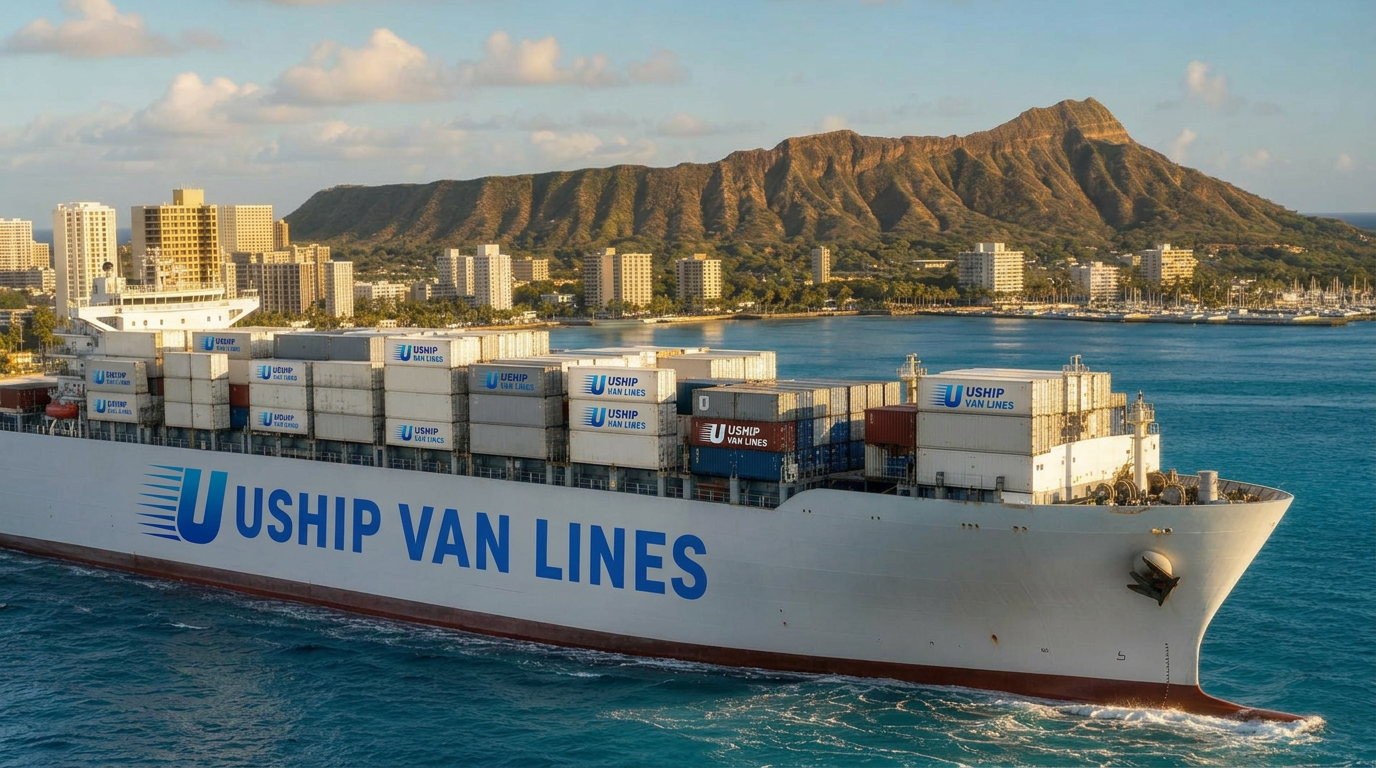
Moving from the tropical islands of Hawaii to the Sonoran Desert landscape of Tucson, Arizona represents one of the most logistically complex residential relocations in the United States. Your household goods will travel by ocean container from Hawaiian ports to the mainland West Coast, then overland across the Southwest to southern Arizona—a journey combining maritime shipping, port handling, and long-haul trucking.
Best Alaska & Hawaii Movers, powered by UShip Van Lines, specializes in these multi-modal Hawaii-to-mainland moves, coordinating every leg from your island home to your new Tucson residence. Request a free quote today to receive a detailed timeline and cost estimate tailored to your specific move size, origin island, and delivery requirements.
Route overview
Understanding the Hawaii to Tucson Moving Route
Your belongings will begin their journey at one of Hawaii's major ports—Honolulu Harbor on Oahu, Kahului Harbor on Maui, Nawiliwili Harbor on Kauai, or Hilo/Kawaihae on the Big Island. Matson Navigation and Pasha Hawaii operate regular container service from these islands to mainland ports in Long Beach or Oakland, California. This ocean voyage typically takes 5–8 days depending on the specific route and vessel schedule.
Once your container arrives at the West Coast port, your shipment clears customs (even though Hawaii is a U.S. state, agricultural inspections apply), gets unloaded, and transfers to an overland carrier. The drive from Southern California to Tucson follows Interstate 10 eastbound through the desert—approximately 480 miles that takes 1–2 days for commercial freight. From Northern California ports like Oakland, the route extends to roughly 850 miles via I-5 south and I-10 east.
Tucson's location in the Sonoran Desert, at roughly 2,400 feet elevation, presents a dramatically different climate from Hawaii's tropical environment. The entire door-to-door journey typically requires 14–21 days, though seasonal port congestion, weather delays, and container availability can extend timelines during peak summer moving season or around major holidays.
How the moving process works
How Your Hawaii to Tucson Move Works: Step-by-Step
-
Free Quote and Planning Consultation – Contact Best Alaska & Hawaii Movers for a detailed estimate based on your inventory list, origin island, and Tucson delivery address. We'll explain container sizing (20-foot vs. 40-foot), transit options (consolidated vs. exclusive), and create a customized moving timeline.
-
Pre-Move Inspection and Restricted Items Review – Hawaii and mainland agricultural regulations prohibit transporting soil, certain plants, fresh produce, and other organic materials. We'll provide a comprehensive list of restricted items and help you plan what ships, what sells, and what you'll need to dispose of or give away before your move date.
-
Professional Packing and Container Loading – Our island-based crew packs your household goods using ocean-rated materials designed for the humidity and movement of maritime shipping. Items are loaded into your dedicated container space or consolidated shipment, with careful blocking and bracing to prevent shifting during the ocean crossing.
-
Ocean Transit to Mainland Port – Your container boards a Matson or Pasha vessel for the Pacific crossing to Long Beach or Oakland. You'll receive booking confirmation with vessel name and estimated arrival date. Container tracking allows you to monitor your shipment's progress across the ocean.
-
Port Processing and Customs Clearance – Upon mainland arrival, your container undergoes USDA agricultural inspection and standard port processing. This clearance typically takes 1–3 business days. Any agricultural violations can cause delays, which is why pre-move compliance is critical.
-
Overland Transportation to Tucson – After port release, your shipment loads onto a commercial truck for the desert crossing to Tucson. The driver coordinates delivery windows as your goods approach southern Arizona, typically providing 24–48 hours' notice of the final delivery appointment.
-
Tucson Delivery and Unpacking – Our delivery team brings your container to your new Tucson residence, unloads all items, and places furniture according to your floor plan. We'll remove packing materials and conduct a final inventory check, ensuring everything arrived as expected from your island home.
Estimated moving costs
What Does a Hawaii to Tucson Move Cost?
A typical 2-bedroom apartment or small home move from Hawaii to Tucson generally ranges from $4,800 to $8,500 for door-to-door service. A larger 3-bedroom home with 8,000–12,000 pounds of household goods typically costs $7,500 to $13,000. These estimates include ocean container space, port handling, overland trucking, and basic delivery to your Tucson residence.
Several factors significantly influence your final cost. Container utilization matters most—if your goods fill less than half a 20-foot container, consolidated shipping (sharing container space with other shipments) offers substantial savings over exclusive use. Origin island affects pricing, as Neighbor Island moves require additional inter-island barge service to Honolulu before the mainland voyage, adding $800–$1,500 compared to Oahu-origin moves.
Packing services add $800–$2,200 depending on whether you choose full-service packing, partial packing of fragile items only, or self-packing with professional loading. Vehicle shipping requires separate arrangements, typically adding $1,200–$1,800 for a standard sedan in a roll-on/roll-off vessel. Storage fees apply if you cannot accept immediate delivery in Tucson—mainland storage runs $150–$300 per month for a typical household.
Seasonal pricing peaks during summer months (May–August) when military PCS moves and family relocations concentrate, often adding 15–25% to base rates. Winter and early spring typically offer the best pricing. Insurance valuation beyond basic carrier liability (60 cents per pound) costs approximately 1–2% of your declared value for full replacement coverage.
Best Alaska & Hawaii Movers provides transparent, itemized quotes with no hidden fees. We never guarantee exact prices without a detailed inventory review, as your specific volume, service level, and timing determine your final cost. Request your personalized quote to receive accurate pricing for your unique move parameters.
Estimated transit times
How Long Does Hawaii to Tucson Moving Take?
Door-to-door transit from Hawaii to Tucson typically requires 14 to 21 days under normal operating conditions. This timeline breaks down into several distinct phases, each with its own schedule constraints.
Island pickup to port delivery takes 1–3 days on Oahu, where most shipments load directly at Honolulu Harbor. Neighbor Island moves (Maui, Kauai, Big Island) require additional 3–5 days for inter-island barge service to consolidate at Honolulu before the mainland sailing. Your goods must arrive at the port and clear outbound agricultural inspection before container loading.
Ocean crossing from Honolulu to Long Beach takes 5–6 days on direct sailings, while routes to Oakland take 6–8 days. Matson and Pasha operate weekly schedules, but your specific sailing date depends on container availability and booking windows. Missing a sailing by one day can mean waiting a full week for the next departure.
Mainland port processing requires 2–4 days for container unloading, USDA agricultural clearance, and transfer to the overland carrier. Port congestion in Southern California can extend this phase, particularly during peak import seasons (late summer and pre-holiday periods). Agricultural holds rarely occur if you've properly excluded restricted items, but violations can add 3–7 days for inspection and clearance.
Overland trucking from California to Tucson takes 2–3 days for the approximately 500-mile journey from Long Beach or 3–4 days from Oakland. Commercial freight moves on scheduled routes, not dedicated direct drives, so your shipment may consolidate with other Arizona-bound freight.
Delivery scheduling requires coordinating your availability with the carrier's Tucson delivery window, typically adding 1–2 days to accommodate residential access requirements. During peak season (summer), budget an additional 3–5 days across all phases due to higher volume and limited container capacity.
Regional logistics
Hawaii to Tucson Moving Logistics You Need to Know
Port and Container Operations: Your Hawaii move begins at one of four major ports. Honolulu Harbor on Oahu handles the highest volume and offers the most frequent mainland sailings—typically 3–4 departures weekly. Kahului on Maui, Nawiliwili on Kauai, and Hilo/Kawaihae on the Big Island require inter-island barge connection to Honolulu, adding transit time and cost. Container sizes include 20-foot units (approximately 1,100 cubic feet, suitable for 1–2 bedroom apartments) and 40-foot containers (approximately 2,200 cubic feet for 3–4 bedroom homes). Consolidated shipping shares container space with other households moving to the Southwest, reducing costs but requiring flexible delivery windows.
Agricultural Restrictions and Inspections: USDA regulations strictly prohibit transporting soil, potted plants with soil, fresh fruits and vegetables, seeds, certain wood items, and any materials potentially harboring invasive species or plant diseases. Your shipment faces agricultural inspection on the mainland—violations result in confiscation, disposal fees, and potential delays. Before packing, review the comprehensive prohibited items list we provide. Common surprises include wooden furniture that's been outdoors (potential termite concerns), gardening equipment with soil residue, and decorative items made from restricted plant materials.
Vehicle Shipping Considerations: Cars, trucks, and motorcycles cannot ship in household goods containers—they require separate roll-on/roll-off (RoRo) vessel booking. Matson and Pasha both offer vehicle services on the same routes your household goods travel, with similar 5–8 day ocean transit. Vehicles must be empty except for floor mats and up to 100 pounds of personal items in the trunk (no roof racks, no cargo carriers). Tucson requires Arizona vehicle registration within 30 days of establishing residency; keep your Hawaii title accessible for DMV processing.
Tucson-Specific Delivery Factors: Tucson's desert environment and residential layout present unique delivery considerations. Many Tucson neighborhoods feature gravel or unpaved roads, particularly in foothill areas and newer developments—confirm your street accessibility for large commercial trucks. Summer afternoon monsoons (July–September) can create temporary flooding in washes and low-lying roads, occasionally requiring delivery reschedules. Homeowners associations in planned communities may have delivery time restrictions or commercial vehicle limitations requiring advance notification.
Last-Mile Coordination: The overland carrier contacts you 24–48 hours before Tucson arrival to schedule your delivery window, typically offering morning (8 AM–12 PM) or afternoon (12 PM–5 PM) slots. Commercial trucks delivering to Tucson require adequate street access—confirm your new residence can accommodate a 53-foot semi-trailer or arrange alternative staging if you're in a narrow cul-de-sac or restricted-access community. If your shipment arrives before your Tucson residence is ready, short-term storage in the Phoenix/Tucson area costs $150–$300 monthly for typical household volumes.
Seasonal considerations
Best Times to Move from Hawaii to Tucson
Winter (December–February) offers the most favorable pricing and reliable schedules, with 15–25% lower rates than peak summer. Hawaii's winter brings increased rainfall and occasional storm systems, but these rarely disrupt container shipping operations. Tucson enjoys mild, sunny winters with daytime temperatures in the 60s–70s°F, making this an ideal arrival season. Holiday weeks (Christmas, New Year's) see reduced sailing schedules—plan around December 20–January 5 if timeline flexibility matters.
Spring (March–May) represents the sweet spot for Hawaii to Tucson moves. Weather conditions are excellent on both ends, container availability remains good, and pricing stays moderate before summer peaks. Tucson's spring showcases desert blooms and comfortable temperatures before intense summer heat arrives. Book 4–6 weeks in advance during this popular season to secure preferred sailing dates.
Summer (June–August) brings peak moving season challenges and costs. Military PCS moves, family relocations, and tourist freight strain container capacity, often requiring 6–8 week advance bookings. Hurricane season officially begins June 1, though Hawaii faces relatively low hurricane risk compared to other Pacific regions. Tucson's extreme summer heat (frequently exceeding 100°F) makes August arrivals physically demanding for unloading. Expect premium pricing—15–30% above off-peak rates.
Fall (September–November) sees gradually declining rates and improving availability after Labor Day. September remains within hurricane season (through November 30), and occasional tropical systems can delay sailings by 2–4 days, though direct Hawaii impacts are uncommon. Tucson's fall offers pleasant weather for moving, with temperatures moderating through October and November. This season provides good value with fewer weather risks than summer.
Why choose Best Alaska & Hawaii Movers
Why Choose Best Alaska & Hawaii Movers for Your Tucson Relocation
-
Specialized Hawaii-Mainland Expertise – We focus exclusively on Alaska and Hawaii moves, mastering the unique logistics of ocean container shipping, agricultural compliance, and multi-modal coordination that generic moving companies struggle with. Our team understands Hawaiian port operations, Neighbor Island connections, and the specific requirements for Southwest desert deliveries.
-
Transparent, All-Inclusive Pricing – Your quote includes ocean freight, port handling, mainland trucking, and Tucson delivery with no surprise fees at delivery. We itemize every cost component—container space, fuel surcharges, port fees, insurance options—so you understand exactly what you're paying for and can make informed decisions about service levels.
-
End-to-End Coordination Powered by UShip Van Lines – Rather than handing your shipment between multiple companies, we maintain responsibility from your Hawaii door to your Tucson threshold. One point of contact manages your entire move, coordinates all carriers, tracks your container across the Pacific, and ensures timely Southwest delivery.
-
Flexible Service Levels for Every Budget – Choose full-service packing and white-glove delivery, partial packing of fragile items only, or cost-effective consolidated shipping if your timeline allows flexibility. We tailor service packages to your specific needs rather than forcing one-size-fits-all solutions.
-
Real-Time Tracking and Proactive Communication – Monitor your container's ocean voyage, receive port clearance updates, and get advance notice of Tucson delivery windows through our tracking system. We contact you proactively at every transition point rather than leaving you wondering where your household goods are in the 2,500-mile journey.