
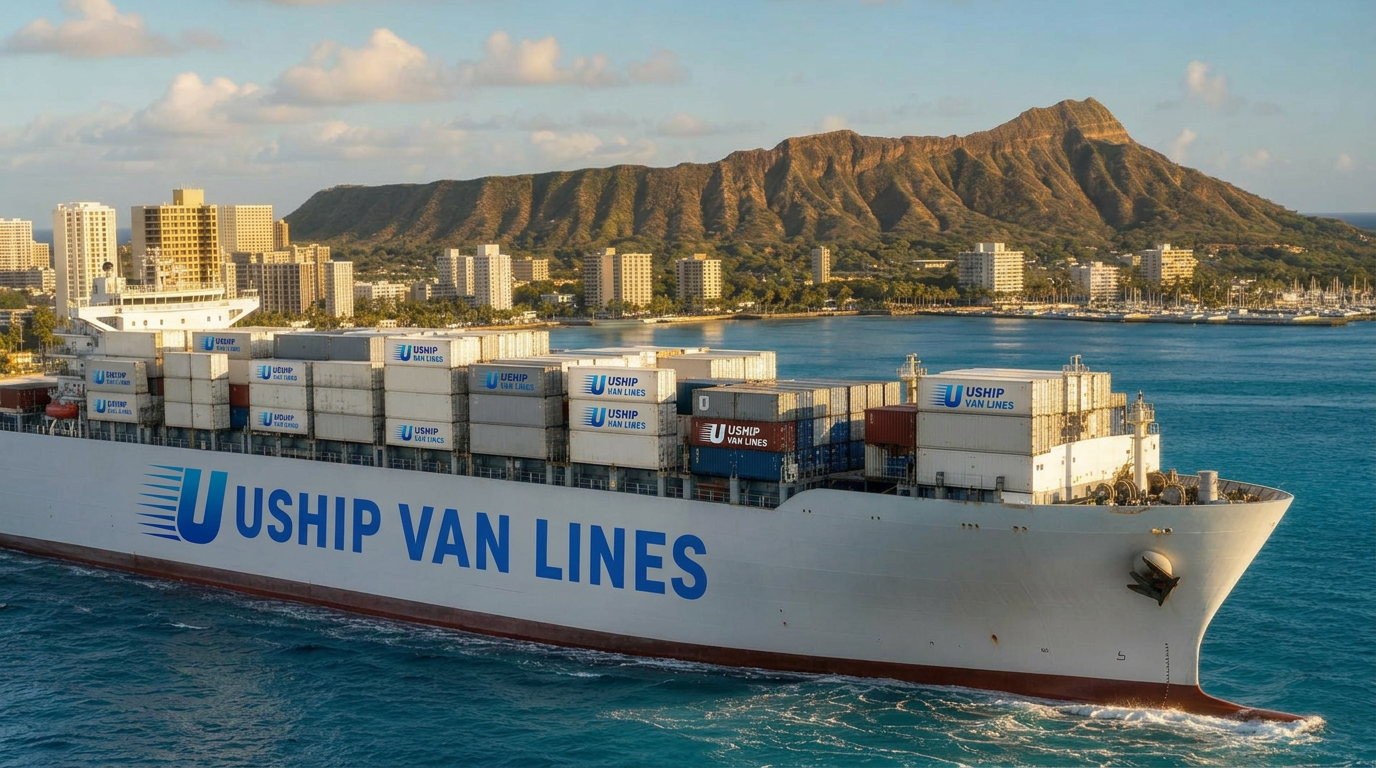
Moving from Hawaii to Reno, NV
Relocating from Hawaii to Reno means trading island humidity for high-desert sunshine and four distinct seasons. Whether you're leaving Honolulu's urban energy, Maui's beaches, or the Big Island's volcanic landscapes for Reno's outdoor recreation, tech sector growth, and Nevada's no-income-tax advantage, the logistics require careful coordination of ocean shipping and overland transport.
Best Alaska & Hawaii Movers, powered by UShip Van Lines, specializes in this unique corridor. We manage the entire journey—from your island residence through Matson or Pasha container shipping to the West Coast, then secure overland delivery to your Reno destination. Request your free quote today and let our Hawaii-mainland experts handle the complexity while you focus on your new chapter in the Biggest Little City.
Route overview
Understanding the Hawaii to Reno Moving Corridor
Moving from Hawaii to Reno, NV involves a multi-modal journey spanning approximately 2,500 nautical miles by ocean plus 200–500 road miles depending on your departure island and West Coast port. Your household goods travel by ocean container from Hawaii ports (Honolulu on Oahu, Kahului on Maui, Nawiliwili on Kauai, or Hilo/Kawaihae on the Big Island) to mainland ports in Long Beach or Oakland, California, then transfer to long-haul trucks for the final leg into Nevada's Truckee Meadows.
Reno sits at 4,500 feet elevation in the rain shadow of the Sierra Nevada, offering dry climate, outdoor recreation, and proximity to Lake Tahoe. The city's growing tech sector and distribution hub economy attract relocators from Hawaii seeking lower living costs and new career opportunities. This route sees steady year-round volume, though summer months bring higher demand as families coordinate moves around school calendars.
Successful Hawaii-to-Reno moves require precise timing across ocean carrier schedules, port drayage, and overland freight capacity. Working with specialists who understand both island logistics and Nevada delivery nuances ensures your belongings arrive intact and on schedule.
How the moving process works
Step-by-Step: Your Hawaii to Reno Move
-
Initial Consultation & Virtual Survey – Contact Best Alaska & Hawaii Movers for a free quote. We conduct a virtual inventory assessment via video call or detailed questionnaire, accounting for Hawaii's unique packing challenges (humidity, salt air exposure) and Reno's elevation/climate differences.
-
Ocean Carrier Booking – We reserve space in a 20-foot or 40-foot ocean container on Matson or Pasha Lines sailing from your island port to Long Beach or Oakland. Departure schedules vary by island; Honolulu offers the most frequent sailings (typically 2–3 per week), while outer islands may have weekly service requiring inter-island barge coordination.
-
Professional Packing & Loading – Our island-based crews pack and load your household goods, using climate-appropriate materials and techniques to protect items during ocean transit. We secure furniture, wrap electronics against humidity, and properly document high-value items for insurance purposes.
-
Ocean Transit to Mainland – Your container sails 5–7 days to California. During this leg, goods are sealed and protected; ocean carriers provide tracking updates as your shipment crosses the Pacific.
-
Port Drayage & Customs Clearance – Upon mainland arrival, your container is offloaded, inspected by USDA for restricted items (plants, certain foods), and transferred from port to our partner warehouse or directly to long-haul trucks.
-
Overland Transport to Reno – A dedicated truck carries your shipment east over the Sierra Nevada (via I-80 through Donner Pass or US-50 through South Lake Tahoe) to Reno. This leg typically takes 1–2 days depending on weather and routing.
-
Delivery & Unpacking – Our Reno delivery team brings your goods to your new residence, unloads to the rooms you specify, and offers optional unpacking services. We conduct a final walkthrough, confirm inventory against your packing manifest, and address any questions about your new Nevada home.
Estimated moving costs
What Does a Hawaii to Reno Move Cost?
A typical 2–3 bedroom household moving from Hawaii to Reno runs $6,800–$13,500 for full-service door-to-door transport. This range reflects container size, departure island, seasonal timing, and service level. Smaller studio or 1-bedroom moves using partial container space (consolidation) may start around $4,200–$5,800, while larger 4+ bedroom homes requiring a full 40-foot container can exceed $15,000.
Key cost drivers include:
- Container size and exclusivity – Shared 20-foot container space costs less than a dedicated 40-foot container. Exclusive containers offer faster scheduling and reduced handling.
- Departure island – Oahu (Honolulu) shipments cost less due to direct sailings. Outer islands (Maui, Kauai, Big Island) add $800–$1,800 for inter-island barge fees and coordination.
- Packing and labor – Full-service packing (recommended for fragile items and ocean transit) adds $1,200–$2,800. Self-packing reduces labor costs but increases risk of damage claims.
- Distance to final Reno address – Delivery to downtown Reno or Sparks costs less than remote locations in Incline Village, Spanish Springs, or Washoe Valley, which may require shuttle trucks or additional mileage fees.
- Seasonal demand – Summer (June–August) sees 20–30% higher rates due to peak moving season. Winter moves (November–February) often qualify for discounts, though Sierra Nevada weather can add transit days.
- Insurance and valuation – Basic coverage (60¢/lb) is included; full replacement value insurance adds 1–3% of declared goods value.
These are estimates, not guarantees. Every move is unique. Request a detailed written quote from Best Alaska & Hawaii Movers to understand your specific costs, including any storage, vehicle shipping, or specialty item handling fees.
Estimated transit times
How Long Does Hawaii to Reno Moving Take?
Door-to-door transit from Hawaii to Reno typically requires 14–21 days, broken down by leg:
- Island packing and port delivery: 1–3 days for professional packing, loading, and transport to your departure port.
- Ocean sailing to California: 5–7 days from Hawaii ports to Long Beach or Oakland. Honolulu sailings are most frequent; outer islands may add 2–4 days for inter-island barge connections to Oahu before mainland departure.
- Port processing and drayage: 2–4 days for container offload, USDA inspection, customs clearance (for international items or restricted goods), and transfer to overland carrier.
- Overland transport to Reno: 1–2 days driving from California ports over the Sierra Nevada. I-80 through Donner Pass is the primary route; winter storms can add 1–2 days for chain control delays or temporary closures.
- Final delivery window: 1–2 days for scheduling and completing delivery to your Reno residence.
Factors that extend timelines:
- Outer island departures – Maui, Kauai, and Big Island shipments add inter-island coordination.
- Peak season congestion – Summer months see port backups and limited trucking capacity.
- Winter weather – November through March snow in the Sierra can delay mountain crossings.
- USDA holds – Containers flagged for restricted plants, soil, or agricultural products face additional inspection days.
We provide GPS tracking updates throughout your move and proactive communication if weather or port conditions affect your delivery window. Most Hawaii-to-Reno moves deliver within the 14–21 day range when booked 4–6 weeks in advance.
Regional logistics
Hawaii-Specific Moving Logistics to Reno
Ports and Sailing Schedules: Matson and Pasha Lines dominate Hawaii-mainland shipping. Honolulu (Oahu) offers the most frequent departures—typically 2–3 sailings per week to Long Beach and Oakland. Outer islands (Kahului/Maui, Nawiliwili/Kauai, Hilo and Kawaihae/Big Island) have weekly or bi-weekly direct sailings, or require inter-island barge to Honolulu first, adding 3–5 days. We coordinate your packing timeline with confirmed sailing dates to minimize storage costs.
Container Types and Sharing: You can choose exclusive use of a 20-foot container (fits 2-bedroom apartment), 40-foot container (3–4 bedroom house), or consolidated space sharing a container with other shipments. Exclusive containers offer faster loading/unloading and less handling risk. Consolidation reduces cost but requires flexible delivery windows as we coordinate multiple customers' schedules.
USDA Agricultural Inspections: All containers from Hawaii undergo USDA inspection at mainland ports for prohibited plants, soil, fresh produce, and certain wood items. Restricted materials are confiscated, potentially delaying release by 1–2 days. We advise clients to avoid packing potted plants, outdoor planters with soil, untreated wood furniture, and fresh foods to prevent holds.
Vehicle Shipping: Cars, motorcycles, and boats require separate roll-on/roll-off (RoRo) vessel booking with Matson or Pasha auto divisions. Vehicles cannot ride in household goods containers. We coordinate parallel vehicle shipment to arrive in California within days of your household container, then arrange overland auto transport to Reno. Total vehicle transit: 10–16 days. Budget $1,200–$1,800 per standard car.
Prohibited and Restricted Items: Hawaii state law and ocean carriers prohibit hazardous materials (propane, gasoline, paint, aerosols, batteries in bulk), firearms without proper declaration, and perishables. Reno delivery allows these items on the overland truck leg if properly packed and declared. We provide a detailed prohibited items checklist during booking.
Storage Options: If your Reno home isn't ready upon delivery, we offer climate-controlled storage at our California partner warehouses or Reno-area facilities. Short-term (1–30 days) storage is often included in quotes; extended storage bills monthly. Hawaii-origin goods benefit from climate control to prevent humidity-related issues during the transition to Nevada's arid climate.
Elevation and Climate Transition: Reno's 4,500-foot elevation and desert climate (10 inches annual rainfall vs. Hawaii's 20–100+ inches) require adjustment for wood furniture, musical instruments, and electronics. We recommend climate-controlled storage and delivery timing to allow gradual acclimatization, reducing warping and cracking risks.
Seasonal considerations
Best Times to Move from Hawaii to Reno
Summer (June–August): Peak moving season brings highest demand and pricing, with families relocating before the school year starts. Ocean carriers and trucks operate at capacity; book 6–8 weeks ahead. Reno weather is ideal (warm, dry), but Hawaii departure ports experience higher volume and occasional container shortages. Expect premium rates but maximum scheduling flexibility.
Fall (September–November): Excellent shoulder season with moderate pricing and weather. Hurricane season (June–November) peaks in August–September, occasionally delaying sailings or requiring container re-routing if storms threaten Pacific lanes. Reno enjoys pleasant autumn temperatures, and Sierra Nevada passes remain open through October. Book 4–6 weeks out for reliable service.
Winter (December–February): Lowest rates and least competition for container space. However, Sierra Nevada mountain passes (Donner, Echo Summit) experience frequent snow closures and chain requirements, potentially adding 2–5 days to overland transit. Hawaii weather is stable (rainy season has minimal ocean impact), and ocean carriers maintain regular schedules. Ideal for budget-conscious movers with flexible delivery windows. Reno winter brings snow and cold, requiring preparation for altitude and heating differences.
Spring (March–May): Rates begin climbing as season ramps up, but still more affordable than summer. Sierra snowpack peaks in March–April, requiring weather monitoring for truck crossings. By late May, passes are reliably clear and Reno warms up. Hawaii departure ports handle moderate volume. Book 4–5 weeks ahead for balanced cost and reliability.
Year-round considerations: Hawaii's hurricane season (June–November) rarely disrupts shipping but can cause 1–3 day delays if storms affect Pacific routes. Reno's elevation (4,500 feet) means winter weather planning is essential for overland legs, regardless of Hawaii's tropical consistency.
Why choose Best Alaska & Hawaii Movers
Why Best Alaska & Hawaii Movers for Your Hawaii-Reno Move
-
Dedicated Hawaii-Mainland Expertise – We exclusively focus on Alaska and Hawaii long-distance moves, managing ocean carrier relationships, port logistics, and mainland delivery networks that generalist movers can't match. Our team understands island packing requirements, USDA regulations, and Sierra Nevada weather challenges specific to the Reno corridor.
-
Single-Point Coordination Across All Legs – You work with one account manager from initial quote through Reno delivery. We handle ocean carrier booking, port drayage, customs paperwork, overland trucking, and final delivery scheduling—no handoffs between disconnected vendors.
-
Transparent Pricing and Real-Time Tracking – Receive a detailed written quote with no hidden fees. Track your container and truck shipment via GPS and receive proactive updates if weather, port congestion, or other factors affect your timeline.
-
Full-Service or Flexible Options – Choose white-glove packing, loading, and unpacking, or opt for cost-saving self-pack with our professional loading and transport. We accommodate partial moves, vehicle shipping coordination, and storage as needed.
-
Powered by UShip Van Lines Network – Our partnership with UShip Van Lines provides nationwide trucking capacity, competitive pricing through volume agreements, and quality assurance across the overland leg from California to Reno. Combined with our Hawaii ocean expertise, you get best-in-class service end-to-end.