
Moving from Hawaii to Port St Lucie, FL
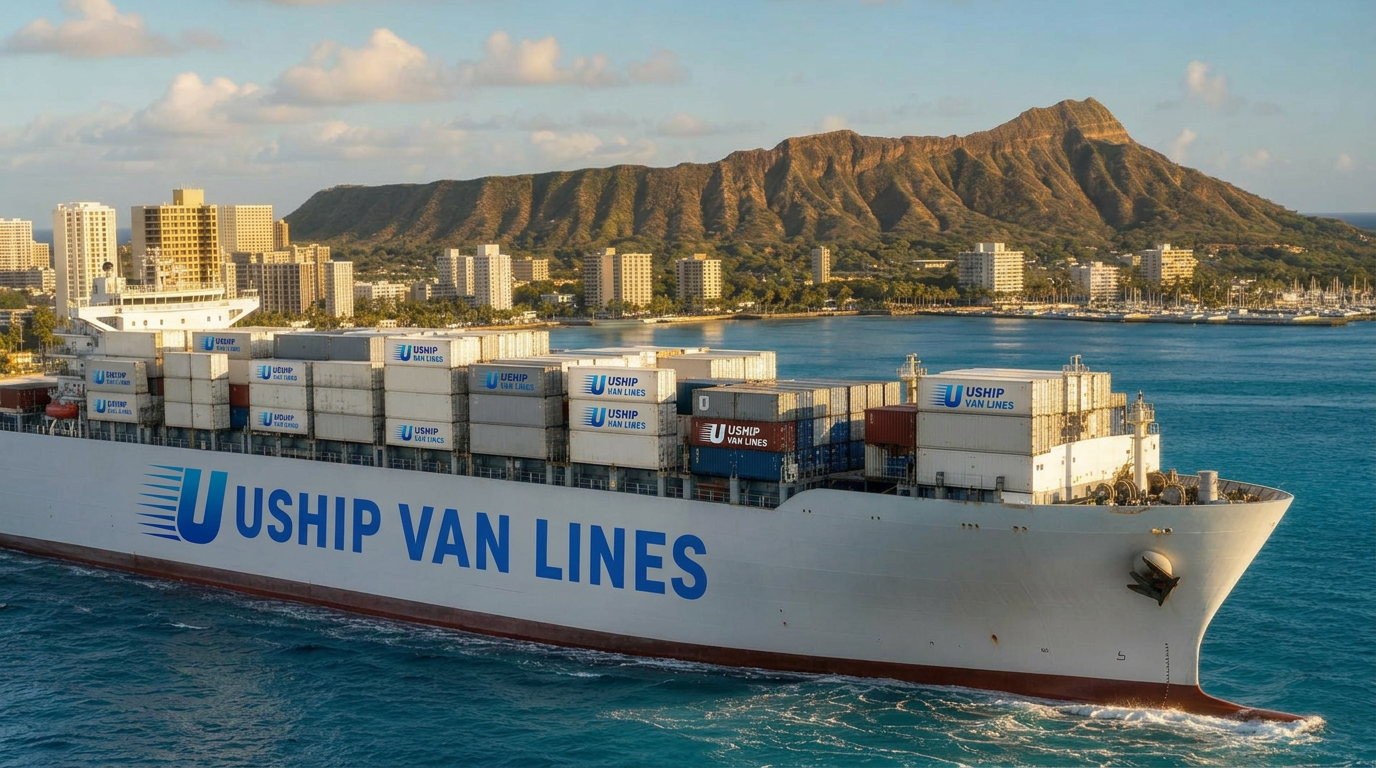
Moving from Hawaii to Port St Lucie, FL requires specialized logistics that combine ocean container shipping, mainland trucking, and careful coordination across time zones and climate extremes. Best Alaska & Hawaii Movers, powered by UShip Van Lines, manages every step—from packing your island home through Honolulu or Hilo port processing to final delivery in Florida's Treasure Coast.
Whether you're relocating for retirement, career opportunities in Port St Lucie's growing economy, or to be closer to family on the mainland, we understand the unique challenges of trans-Pacific moves. Our team coordinates container booking, customs paperwork, vehicle ocean transport, and ground delivery to ensure your belongings arrive safely at your new Port St Lucie residence. Request your free quote to start planning your seamless Hawaii-to-Florida transition.
Route overview
Your Hawaii to Port St Lucie Moving Route
This cross-country route spans approximately 4,900 miles and combines ocean freight with overland trucking. Your household goods depart from Honolulu Harbor (Oahu), Kahului Harbor (Maui), Nawiliwili Harbor (Kauai), or Hilo/Kawaihae (Big Island), sailing to West Coast ports—typically Long Beach or Oakland. After container unloading and customs clearance, your shipment travels cross-country via Interstate 10 and I-95 to Port St Lucie in St. Lucie County, Florida.
Port St Lucie sits on Florida's Treasure Coast, roughly 50 miles north of West Palm Beach and 120 miles north of Miami. This rapidly growing city of 200,000+ residents offers beach proximity, golf communities, and significantly lower housing costs than island living. The route's logistics require managing ocean transit schedules (weekly Matson/Pasha sailings), mainland terminal operations, and cross-country trucking through Southern states. Weather considerations include Hawaii's May–November hurricane season and Florida's June–November tropical storm season.
Unlike simple mainland-to-mainland moves, this relocation demands expertise in maritime shipping regulations, container weight limits, international customs documentation (despite domestic status), and climate-controlled handling for items transitioning from tropical humidity to Florida's subtropical environment.
How the moving process works
Your 7-Step Moving Process from Hawaii to Port St Lucie
Step 1: Free Virtual Survey & Quote We conduct a video walkthrough of your Hawaii home to inventory belongings, identify items requiring special handling (surfboards, electronics, artwork), and provide a detailed cost estimate. This assessment determines container size (20-foot or 40-foot), identifies restricted items (plants, fresh foods, ammunition), and establishes your move timeline.
Step 2: Container Selection & Booking Based on your inventory, we book your ocean container space with Matson Navigation or Pasha Hawaii—the primary carriers serving the Hawaii-mainland route. Most 2–3 bedroom homes require a 20-foot container (1,150 cubic feet); larger households may need a 40-foot container (2,350 cubic feet). We coordinate sailing schedules, typically weekly departures, to align with your move dates.
Step 3: Professional Packing & Loading (Hawaii) Our island-based crews arrive at your Hawaii residence 1–3 days before port cutoff. We pack belongings using ocean-rated materials (moisture barriers, reinforced boxes, extra cushioning), load your container on-site or at our warehouse, and secure items against 5–7 days of ocean transit. Heavy furniture is braced; fragile items receive double protection; electronics are sealed against salt air.
Step 4: Port Delivery & Ocean Transit Your sealed container is delivered to your departure harbor and loaded aboard the next scheduled sailing. Transit time averages 5–7 days to Long Beach or 7–9 days to Oakland, depending on carrier and weather. We provide tracking information so you can monitor your shipment's Pacific crossing.
Step 5: Mainland Terminal Processing Upon arrival, your container clears customs (standard for Hawaii shipments), undergoes USDA agricultural inspection if applicable, and is unloaded at the terminal. We coordinate terminal fees, storage if needed, and transfer to our long-haul trucking partner—typically within 2–4 business days of vessel arrival.
Step 6: Cross-Country Transport Your container or transferred goods travel via Interstate 10 through the South (Los Angeles → Phoenix → San Antonio → Houston → New Orleans → Jacksonville) then north on I-95 to Port St Lucie. This leg takes 5–7 days depending on routing, weather, and delivery scheduling.
Step 7: Port St Lucie Delivery & Unpacking Our Florida delivery team contacts you 48 hours before arrival to confirm your delivery window. We unload at your Port St Lucie residence, place furniture per your floor plan, unpack if contracted, remove debris, and conduct a final walkthrough. You inspect for any damage and sign the delivery receipt, completing your trans-Pacific move.
Estimated moving costs
Realistic Cost Expectations for Hawaii to Port St Lucie Moves
A typical 2-bedroom apartment or small condo move from Hawaii to Port St Lucie generally ranges $6,800–$10,500, while a 3-bedroom house with garage typically costs $10,500–$16,200. These figures reflect full-service door-to-door transport including packing, ocean container, mainland trucking, and Port St Lucie delivery. Your final cost depends on specific variables unique to your move.
Primary Cost Drivers:
- Container size and weight: 20-foot containers hold up to 10,000 lbs; exceeding this triggers overweight fees ($150–$400). 40-foot containers accommodate larger homes but cost $2,800–$4,200 more.
- Island origin: Neighbor island moves (Maui, Kauai, Big Island) add $800–$1,600 for inter-island barge to Honolulu or direct mainland shipping from outer island ports.
- Packing services: Full professional packing adds $1,200–$2,800; partial packing (fragiles only) runs $400–$900; self-packing saves money but increases damage risk during ocean transit.
- Vehicle shipping: Adding a car to your move costs $1,400–$2,100 via RORO (roll-on/roll-off) ocean transport to West Coast, then $800–$1,300 for auto transport to Florida.
- Move timing: Summer months (June–August) see 15–25% higher rates due to peak season demand. November–March offers best pricing, though holiday weeks (Thanksgiving, Christmas) book early.
- Access challenges: Walk-up apartments, narrow Hawaiian streets requiring shuttle trucks, or gated Florida communities with delivery restrictions can add $300–$800.
- Storage: If your Florida home isn't ready, mainland storage costs $150–$300/month for container storage, or warehouse storage at $0.60–$1.20/cubic foot monthly.
We never guarantee exact prices without a detailed survey—every move has unique factors. Our quotes include all mandatory fees (port charges, documentation, basic insurance), with optional services clearly itemized. Request your personalized estimate to see costs specific to your inventory and timeline.
Estimated transit times
Expected Transit Times: Hawaii to Port St Lucie Door-to-Door
Total door-to-door transit for Hawaii to Port St Lucie moves typically ranges 18–28 days from your Hawaii pack date to Port St Lucie delivery. This timeline breaks down across three distinct phases, each with variables that affect scheduling.
Phase 1: Hawaii Packing to Vessel Departure (1–4 days) After packing your residence, your container must reach the harbor before the sailing cutoff—usually 24–72 hours before departure. Oahu residents enjoy same-day or next-day port delivery; neighbor island containers may need 2–3 days for inter-island barge positioning to Honolulu if shipping via consolidated mainland routes.
Phase 2: Ocean Transit (5–9 days) Matson and Pasha Hawaii operate weekly sailings from Honolulu to Long Beach (5–7 days) and Oakland (7–9 days). Outer island direct sailings exist but run less frequently. Actual sailing time depends on vessel speed, weather conditions, and whether the ship makes intermediate port calls. Winter Pacific storms occasionally add 1–2 days.
Phase 3: Mainland Terminal to Port St Lucie (10–14 days) Once your container arrives at the West Coast port, customs clearance and terminal processing take 2–4 business days. Cross-country trucking from California to Florida's Treasure Coast requires 5–7 days via southern routes (I-10 corridor), with final delivery scheduling adding 1–3 days based on your availability and the carrier's Florida route density.
Expedited Options: For time-sensitive moves, air freight (available for smaller shipments under 2,000 lbs) can reduce total transit to 7–12 days at 3–5× ocean container costs. Most households find standard ocean container timing acceptable when planning 30–45 days between Hawaiian lease-end and Florida occupancy dates.
Seasonal Variables: Summer hurricane season and peak moving months may add 2–5 days due to port congestion, vessel scheduling, and mainland trucking capacity. Winter offers most predictable timelines with fewer weather delays and lighter port traffic.
Regional logistics
Hawaii-Specific Moving Logistics You Need to Know
Port Operations & Container Requirements Hawaii's commercial harbors—Honolulu (Oahu's primary port), Kahului (Maui), Nawiliwili (Kauai), Hilo and Kawaihae (Big Island)—operate under strict USDA and customs protocols despite Hawaii being a U.S. state. Your container must meet international ISO standards (even for domestic moves), pass agricultural inspection, and clear documentation requirements. We handle all port paperwork, terminal fees ($200–$450), and wharfage charges included in your quote.
Restricted & Prohibited Items Hawaii and mainland USDA regulations prohibit transporting: live plants (with rare certified exceptions), soil, fresh produce, certain seeds, wooden items with bark, and any items harboring potential invasive species. Fresh/frozen foods typically aren't practical given transit duration. Hazardous materials (propane, paint, ammunition, certain cleaning chemicals) cannot ship via ocean container. We provide a detailed restriction list during your survey and can recommend disposal or alternative shipping for borderline items.
Vehicle & Auto Shipping Coordination Most Hawaii residents ship at least one vehicle. We coordinate RORO (roll-on/roll-off) auto transport via Matson or Pasha to Long Beach/Oakland ($1,400–$2,100), then mainland auto carrier to Port St Lucie ($800–$1,300). Vehicles must be empty (no personal items), operable, and registered. Timing your vehicle arrival to match your household goods delivery requires careful scheduling—we manage both shipments as a coordinated package.
Last-Mile Delivery in Port St Lucie Port St Lucie's master-planned communities, HOA neighborhoods, and gated developments often require advance delivery notification, COI (certificate of insurance) submission, and specific delivery windows. We handle these requirements, but you should inform us of any community restrictions during booking. Some developments restrict large truck access, requiring shuttle delivery (smaller trucks) that may add $200–$400.
Military & Government Moves If you're military or government relocating from Hawaii to Florida, we coordinate with your transportation office for PPM (personally procured move) documentation, weight tickets, and reimbursement paperwork. Many service members find PPM more flexible than traditional military moving programs.
Storage Solutions Between Move Legs If your Port St Lucie home isn't ready upon mainland arrival, we offer flexible storage: container storage (your goods remain sealed in the container) for $150–$300/month, or warehouse storage with inventory access at $0.60–$1.20/cubic foot monthly. West Coast storage near the port is typically more economical than East Coast storage, though Florida storage eliminates a later cross-country shipping charge.
Insurance & Protection Ocean container moves face unique risks—rough seas, container shifting, port handling. We include basic carrier liability (60¢/lb per article) but strongly recommend full-value protection ($2.50–$4.00 per $100 of declared value) covering replacement cost. Salt air, temperature fluctuations, and extended transit make comprehensive coverage essential for valuable items.
Seasonal considerations
Best Times to Move from Hawaii to Port St Lucie
Winter (December–February): Optimal Pricing & Weather Windows Winter delivers the most favorable moving conditions—calm Pacific crossings, low port congestion, and 15–25% lower rates than summer peaks. Hawaii enjoys pleasant 70s–80s temperatures; Port St Lucie experiences mild 60s–70s with low humidity. Book early for holiday weeks (late December) when crews are limited. January–February offers the best value and most predictable transit times.
Spring (March–May): Moderate Season with Good Availability Spring sees increasing demand as families plan summer relocations, but rates remain reasonable through April. Pacific conditions are excellent; Florida weather is ideal (70s–80s, low rainfall). May begins Hawaii's pre-hurricane season preparation, though actual storm risk remains low until June. This season balances cost and weather, with better availability than summer months.
Summer (June–August): Peak Season & Hurricane Considerations Summer brings highest demand and premium pricing (20–30% above winter baseline). Both Hawaii and Florida enter hurricane season—Pacific tropical cyclones affect Hawaii June–November; Atlantic hurricanes impact Florida June–November with August–October peak. While most moves proceed normally, storms can delay sailings 3–7 days or close ports temporarily. Book 8–12 weeks ahead for summer moves and purchase comprehensive insurance. Port St Lucie's heat (90s) and humidity make move-in day more challenging than cooler months.
Fall (September–November): Hurricane Tail & Transition Period September remains peak hurricane season for both regions—highest storm probability and insurance costs. October sees declining storm risk and moderating demand; rates drop 10–15% after Labor Day. November offers excellent value as hurricane season officially ends November 30, though Thanksgiving week books solid. Fall can be ideal for flexible movers willing to work around potential weather delays, with significant savings over summer.
Neighbor Island Considerations: Maui, Kauai, and Big Island moving schedules depend on barge frequency to Honolulu—winter may see reduced inter-island service during low tourist seasons. Direct outer island sailings run less frequently year-round.
Port St Lucie Climate Adjustment: Your belongings transition from consistent tropical humidity to Florida's subtropical climate with distinct wet (May–October) and dry seasons. Climate-controlled containers aren't standard but recommended for electronics, wood furniture, and sensitive items making this transition.
Why choose Best Alaska & Hawaii Movers
Why Choose Best Alaska & Hawaii Movers for Your Port St Lucie Relocation
-
Specialized Hawaii-Mainland Expertise: We focus exclusively on Alaska and Hawaii long-distance moves, managing the complex logistics of ocean freight, customs protocols, and multi-modal coordination that general mainland movers rarely encounter. Our team knows Honolulu Harbor operations, Matson/Pasha sailing schedules, and the specific requirements for trans-Pacific household goods shipping.
-
Single-Point Coordination Across All Move Phases: Rather than juggling separate companies for packing, ocean shipping, customs, trucking, and delivery, you work with one dedicated coordinator who manages your entire Hawaii-to-Port St Lucie move. We handle carrier booking, port paperwork, mainland terminal logistics, and final Florida delivery—you receive updates at every phase without managing multiple vendors.
-
Transparent Pricing with No Hidden Fees: Our quotes itemize every cost—container fees, port charges, packing materials, mainland trucking, delivery. You'll never encounter surprise "documentation fees," unexplained surcharges, or hidden fuel costs. We explain what's included, what's optional, and what variables might adjust your final cost.
-
Powered by UShip Van Lines' Nationwide Network: Best Alaska & Hawaii Movers operates on UShip Van Lines' carrier network, giving us access to vetted mainland trucking partners, warehouse facilities in major terminals, and delivery crews throughout Florida. This infrastructure ensures your shipment moves efficiently from West Coast ports to Port St Lucie without delays or transfers between unknown carriers.
-
Flexible Service Levels to Match Your Budget: Choose full-service (we pack, load, ship, deliver, unpack), hybrid service (you pack, we ship and deliver), or container-only (we coordinate shipping; you handle packing/unpacking). We tailor services to your timeline, budget, and comfort level with DIY tasks, maximizing value for your specific situation.
-
Real-Time Tracking & Proactive Communication: Monitor your shipment via ocean vessel tracking during Pacific transit, receive terminal arrival notifications, and get 48-hour delivery confirmation before your Florida arrival. If weather or logistics issues arise, we contact you immediately with revised timelines and solutions—no guessing about your belongings' location.