
Moving from Nashville, TN to Hawaii
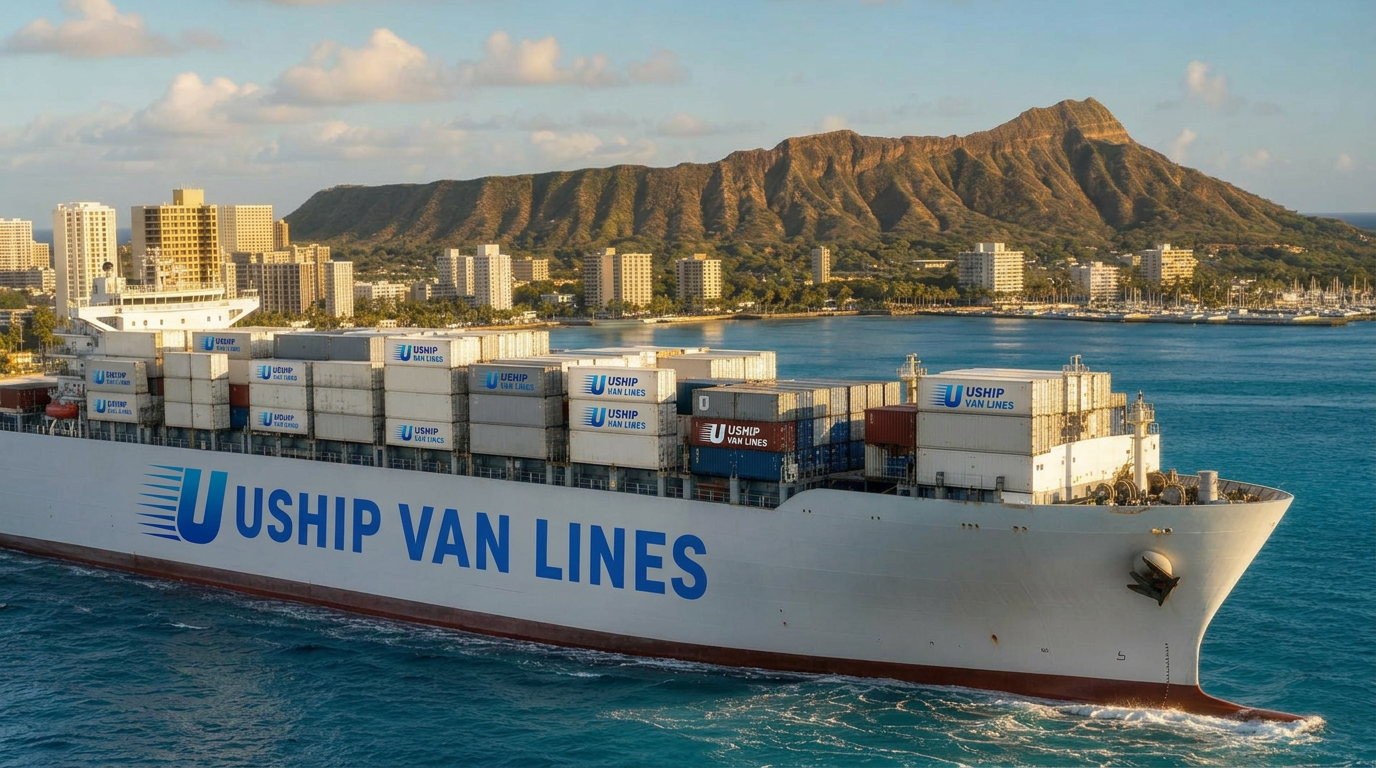
Relocating from Nashville's vibrant music scene to the Pacific islands of Hawaii is one of the most logistically complex moves in the United States. Unlike standard long-distance moves, your household goods will travel by truck across the mainland, then transfer to ocean container service from West Coast ports—typically Long Beach or Oakland—before sailing to Honolulu and potentially onward to neighbor islands like Maui, Kauai, or the Big Island.
Best Alaska & Hawaii Movers, powered by UShip Van Lines, specializes in coordinating these multi-modal relocations. Our network connects you with experienced carriers who understand Hawaii's unique shipping requirements, port documentation, and final-mile delivery challenges. Request your free customized quote to compare vetted movers and lock in transparent pricing for your Nashville-to-Hawaii journey.
Route overview
Nashville to Hawaii: A Cross-Continental and Transpacific Route
Your move begins with overland transport from Nashville, Tennessee—approximately 2,040 miles to the Port of Long Beach or 2,290 miles to Oakland. Household goods are loaded into your moving container in Nashville, sealed, and trucked westward across interstates I-40 and I-15 (or I-80 for Oakland routing). Once at the port, the container is transferred to Matson Navigation or Pasha Hawaii vessels, the two primary carriers serving the Hawaii trade lane.
The ocean voyage from California to Honolulu takes 5–7 days under normal conditions. If your final destination is a neighbor island—Maui's Kahului, Kauai's Nawiliwili, or Hilo/Kona on the Big Island—expect an additional 3–5 days for inter-island barge service and final delivery. Weather, port congestion, and agricultural inspection protocols can add variability, making accurate timeline communication essential.
This route crosses multiple climate zones and time zones (Central to Hawaii-Aleutian, a four-hour difference in winter, three in summer). Coastal humidity in Nashville gives way to dry desert crossings, then maritime Pacific conditions—all factors your moving team must account for in packing and container climate control.
How the moving process works
How Your Nashville-to-Hawaii Move Works: Step by Step
-
In-Home or Virtual Survey (3–4 Weeks Before Move)
A moving consultant inventories your belongings via video call or in-person visit, noting cubic footage, high-value items, and any Hawaii-restricted goods (certain woods, soils, plants). You'll receive a binding or binding-not-to-exceed estimate detailing container size (20-foot or 40-foot shared/dedicated), overland haul, ocean freight, and destination charges. -
Packing and Loading in Nashville
Professional movers arrive at your Nashville residence to pack (if you've selected full-service) and load a 20-foot or 40-foot steel container or wooden crate. Fragile items receive double-boxing and cushioning; humidity-sensitive electronics and documents go into moisture-barrier packaging. The container is sealed with a numbered bolt seal for security. -
Overland Transit to West Coast Port (3–5 Days)
Your container travels by truck or rail to Long Beach or Oakland. Scheduling depends on carrier consolidation routes—dedicated service is faster but costlier; consolidated shipments may wait for other Hawaii-bound loads. GPS tracking provides real-time location updates. -
Port Staging and Vessel Loading (2–4 Days)
At the California port, the container clears customs paperwork (Form 4455 for high-value items returning to the mainland later, USDA declarations for any agricultural products). Matson or Pasha schedules your container onto the next available sailing—weekly departures are typical, but holiday/peak summer sailings book early. -
Transpacific Ocean Freight (5–7 Days)
The container vessel sails from California to Honolulu's Sand Island terminal. Voyage duration averages 5–6 days in calm seas; winter storms or port slowdowns can extend this to 7–8 days. Your shipment is below-deck in climate-controlled cargo holds. -
Honolulu Port Clearance and Agricultural Inspection (1–2 Days)
Hawaii Department of Agriculture inspectors examine containers for prohibited items (snakes, certain fruits, used soil). Compliant shipments clear within hours; any issues trigger quarantine and potential disposal at your expense. Customs and port fees are assessed. -
Final Delivery to Your Hawaii Address (1–3 Days, or +3–5 for Neighbor Islands)
For Oahu destinations, a local carrier transports your container from Sand Island to your residence, unloads, and completes a damage/inventory checklist. Neighbor island deliveries require barge transfer to Maui, Kauai, or Big Island ports, then truck delivery—adding 3–5 days. Narrow roads, gated communities, and parking restrictions are common challenges. -
Unpacking and Container Return
Full-service moves include unpacking and debris removal. The empty container is returned to the port within 24–48 hours to avoid per-diem detention charges ($75–150/day). You sign final delivery documents and submit any damage claims within the carrier's specified window (typically 9 months for interstate moves).
Estimated moving costs
What Does a Nashville-to-Hawaii Move Cost?
A typical 2–3 bedroom household moving from Nashville to Hawaii ranges $6,500–$12,000 for door-to-door service, depending on volume, service level, and final island destination. Key cost components include:
- Cubic Footage/Weight: A 1,200–1,500 cubic-foot load (roughly 6,000–8,000 lbs) fits a dedicated 20-foot container; larger homes may require a 40-foot container or consolidated space at $8–14 per cubic foot.
- Overland Haul: Nashville to Long Beach/Oakland trucking costs $1,800–$3,200 depending on dedicated vs. consolidated routing and fuel surcharges.
- Ocean Freight: Matson/Pasha base rates run $2,500–$4,500 per container to Honolulu; neighbor island barge adds $800–$1,500.
- Packing Services: Professional packing for a 3-bedroom home costs $800–$1,800 (materials, labor, insurance).
- High-Value Items: Pianos, antiques, artwork, and motorcycles incur crating fees ($300–$1,200 per item) and additional insurance.
- Port Fees and Inspections: Hawaii charges destination terminal handling ($400–$700), agricultural inspection ($100–$200), and customs processing.
- Accessorial Charges: Long-carry (>75 feet from truck to door), stair carry, storage-in-transit, and shuttle service for restricted roads add $200–$1,000.
Cost-Saving Tips: Move during off-peak season (September–November, January–March), downsize before packing to reduce volume, and compare binding estimates from multiple carriers. Best Alaska & Hawaii Movers' marketplace connects you with competing quotes, often saving 15–30% versus single-carrier pricing.
Prices are estimates based on industry averages and vary by service level, timing, and specific circumstances. Request a formal quote for guaranteed pricing.
Estimated transit times
How Long Does a Nashville-to-Hawaii Move Take?
Door-to-door transit from Nashville to Oahu averages 14–21 days; neighbor island destinations extend to 18–26 days. Breakdown by leg:
- Nashville to Long Beach/Oakland: 3–5 days by truck (faster with dedicated service, slower with consolidated freight that makes intermediate stops).
- Port Dwell Time: 2–4 days for customs clearance, agricultural pre-inspection, and vessel loading. Peak season (May–August) and holiday weeks can stretch this to 5–7 days.
- Ocean Voyage: 5–7 days California to Honolulu under normal weather. Winter storms occasionally delay sailings 1–2 days; mechanical issues are rare but add 3–5 days when they occur.
- Honolulu Clearance: 1–2 days for ag inspection and port release.
- Oahu Final Delivery: Same-day to 2 days once released, depending on carrier scheduling and your neighborhood accessibility.
- Neighbor Island Barge and Delivery: Add 3–5 days for Maui, Kauai, or Big Island—inter-island barges run 2–3 times weekly, and ground delivery must navigate limited port infrastructure.
Expedited Options: Dedicated overland service and priority vessel booking can trim 3–5 days from the timeline, typically adding 20–30% to cost. Discuss expedited needs during your quote consultation if you're coordinating with lease start dates or employment timelines.
Delays to Plan For: Hurricane season (June–November), Transpacific supply-chain congestion, and neighbor island port worker shortages can extend timelines by 3–7 days. Build buffer time into your move plan—don't schedule your flight to Hawaii the day after estimated delivery.
Regional logistics
Hawaii-Specific Logistics: Ports, Paperwork, and Final-Mile Realities
Port Pairs and Routing
Nashville shipments typically route through Long Beach (2,040 miles, I-40/I-15) or Oakland (2,290 miles, I-40/I-80). Long Beach handles higher Hawaii volume and offers more frequent Matson sailings; Oakland may provide better rates for consolidated shipments. Your carrier chooses routing based on consolidation schedules—you can request a preference but may pay a premium for non-standard routing.
Hawaii Agricultural Restrictions
The Hawaii Department of Agriculture prohibits or restricts: live plants (except with pre-approved permits), soil, certain hardwoods, used outdoor equipment with soil residue, pets without quarantine compliance, and many fruits/vegetables. Before packing, review the Hawaii.gov plant and animal declaration lists. Non-compliance leads to confiscation, disposal fees ($200–$500), and potential fumigation of your entire container ($800–$2,000). Best practice: leave houseplants behind or ship cuttings via USDA-approved mail services.
Vehicle Shipping
If you're shipping a car separately, it follows the same ocean route but on a different vessel schedule (Matson and Pasha run dedicated auto carriers). Costs run $1,200–$1,800 Nashville to Honolulu for a sedan; motorcycles $600–$900. Vehicles must be cleaned (exterior wash, interior vacuuming, no food or loose items), under ¼ tank of gas, and presented with title and registration. Do NOT pack household goods in your vehicle—it voids insurance and creates ag-inspection issues.
Container Types
Shared/consolidated containers (your goods share space with 1–2 other shipments) cost less but have less schedule control. Dedicated 20-foot or 40-foot containers offer exclusive use, faster load/unload, and lower damage risk—worth the premium for larger homes or high-value items. Wooden crates (built on-site around your goods) are rare for Hawaii moves but used for ultra-fragile items like grand pianos or antique furniture.
Delivery Challenges on Islands
Hawaii's roads include narrow lanes, steep grades (especially Big Island's Hilo-Kona route and Maui's Hana Highway), weight-restricted bridges, and gated communities with truck restrictions. If your address is inaccessible to a 53-foot semi, the carrier will use a smaller shuttle truck—adding $300–$800 and 1–2 days. Confirm delivery access during your survey; Google Street View helps identify obstacles.
Storage-in-Transit
If your Hawaii residence isn't ready when your container arrives, most carriers offer 30–90 days storage at Honolulu or neighbor island warehouses for $150–$400/month. Storage is climate-controlled but not climate-optimized—Hawaii's humidity can affect unsealed wood furniture and electronics over extended periods. Minimize storage time when possible.
Insurance and Valuation
Basic carrier liability covers $0.60/lb—woefully inadequate for most household goods. Opt for full-value protection ($300–$800 for a typical move) or third-party moving insurance. Ocean transit adds risk for water damage (rare but catastrophic); ensure your policy explicitly covers maritime cargo. Document high-value items with photos and receipts before packing.
Seasonal considerations
Best Times to Move from Nashville to Hawaii
Spring (March–May)
Ideal moving window. Mild weather across the mainland, calm Pacific crossings, and pre-summer port volumes mean reliable timelines. Wildflower blooms make the overland haul scenic, and Hawaii's shoulder season offers lower accommodation costs if you're house-hunting. Book 6–8 weeks in advance for best carrier availability.
Summer (June–August)
Peak moving season coincides with Hawaii's busiest tourism months and the start of hurricane season (officially June 1–November 30, though major storms are rare before August). Expect 15–25% higher rates, reduced carrier availability, and port congestion at Long Beach/Oakland and Honolulu. If moving in summer, book 10–12 weeks ahead and purchase comprehensive weather-delay insurance. Afternoon thunderstorms in Nashville can delay loading by hours.
Fall (September–November)
Off-peak rates return after Labor Day—often 10–20% below summer pricing. Hurricane risk peaks in September but drops sharply by October. Transpacific shipping normalizes, and you'll have better leverage negotiating carrier rates. Early November (post-Halloween, pre-Thanksgiving) is a sweet spot. Be aware of Thanksgiving week port closures.
Winter (December–February)
Lowest rates and highest carrier availability, but winter storms can disrupt overland transit across the Rockies and Sierra Nevada (I-80 closures, chain requirements). Pacific storms occasionally delay vessel departures 1–2 days. If you have schedule flexibility and don't mind occasional weather delays, winter moves offer exceptional value. Holiday weeks (mid-December, New Year's) see skeleton port crews and should be avoided.
Hurricane Season Protocol: Carriers monitor NOAA forecasts. If a named storm threatens during your ocean transit window, Matson/Pasha may delay sailing 24–72 hours or reroute. Your move coordinator will communicate delays and options—never penalty fees for weather holds.
Why choose Best Alaska & Hawaii Movers
Why Choose Best Alaska & Hawaii Movers for Your Nashville-to-Hawaii Relocation
-
Hawaii-Specialized Carrier Network: Unlike general moving marketplaces, we exclusively connect you with carriers experienced in transpacific container logistics, Hawaii ag compliance, and neighbor island delivery—ensuring your move isn't a learning experience for your mover.
-
Transparent Multi-Modal Pricing: We break down every cost component—overland haul, ocean freight, port fees, island delivery—so you understand exactly what you're paying for. No surprise "destination charges" or hidden accessorial fees at delivery.
-
Powered by UShip Van Lines' Technology: Real-time container tracking, digital inventory management, and 24/7 customer portal access give you visibility from Nashville loading through Hawaii delivery. Automated alerts notify you of port arrivals, inspection clearance, and delivery windows.
-
Competitive Marketplace Quotes: Submit one detailed inventory and receive binding estimates from multiple vetted carriers within 48 hours. Compare rates, transit times, and service levels side-by-side—our data shows customers save an average of 18% versus single-source quotes.
-
Dedicated Move Coordination: Your assigned move coordinator guides you through USDA declarations, vehicle shipping paperwork, and neighbor island logistics. We liaise with Matson/Pasha schedulers and destination agents to proactively solve issues before they delay your delivery.